Korva is a scroll of the internet’s best ideas.
Surge capacity bleeds money between surges

The cost of peak capacity
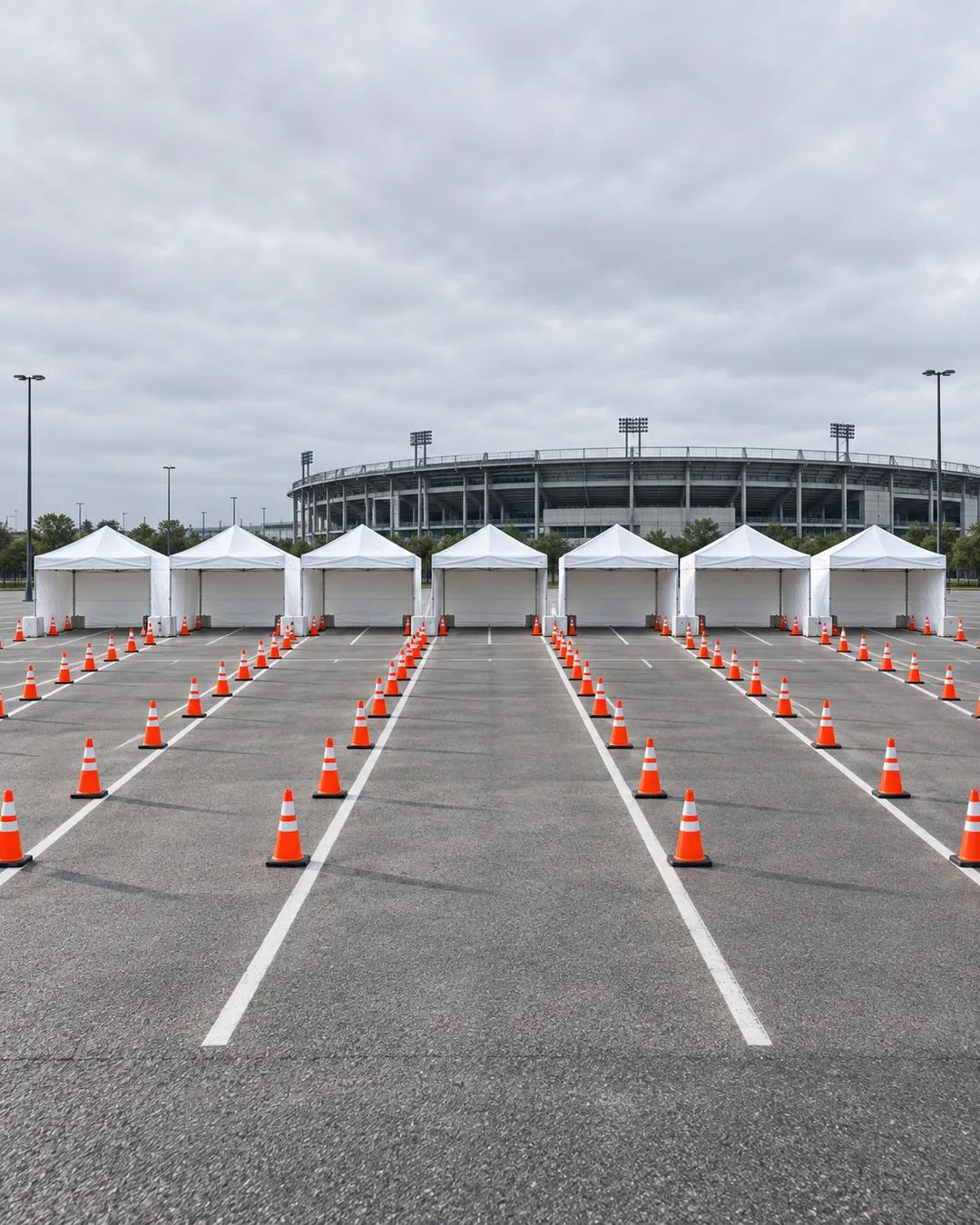
At a surge, the drive-through sites and labs ran at full volume. When it subsided, testing fell to 20 or 30% of capacity while the fixed costs stayed the same, including 7,000 employees. Consumables cost less in a lull, but the infrastructure built for the surge still had to be maintained.
The traditional lab industry has a flat volume: people do roughly the same amount of blood work each year, within a couple of percentage points. Covid testing was built for peak capacity, and the reimbursement price for tests was raised to incentivize it, because without peak capacity a surge goes horribly wrong and no one can get a test. Overbuilding had to be paid for, since capacity couldn't be shut down in the dips.
Totals and vaccines
Over three years, Covid testing brought in about $5 billion in revenue, and about $500 million went into the health insurance company.
Vaccinations went worse. Curative gave 2.5 million vaccinations and lost money on every dose, because the government paid less than it cost to administer them. It did them as a way of giving back, and because government partners it tested for wanted vaccinations too.
Why did the government raise test payments?
In April 2020, the Centers for Medicare and Medicaid Services created a billing code for high-throughput Covid tests with a payment of $100, double the $51 rate for standard Covid tests. The higher rate was meant to reward labs that could process large batches with fast turnaround. Payers wanted labs to build spare capacity before a surge arrived. The price was later cut as testing became more common.
Why do fixed costs hurt surge businesses?
A business built for peak demand pays for space, equipment, and salaried staff whether or not demand shows up. Costs such as leases and equipment depreciation do not shrink when volume falls. Airlines and hotels face the same pattern, where capacity built for the busiest day sits partly empty on the rest. Revenue per unit has to be high enough in busy periods to cover the slow ones.
Why did vaccinations pay so little?
Medicare set its payment for administering Covid vaccines at $28.39 for a first dose in early 2021, then raised the rate to about $40 per dose in March 2021. Payment covered the act of giving the shot, not the vaccine itself, which the federal government bought and supplied for free. Costs for staff, supplies, and sites came out of that fee. Rates varied by payer.
More from 20VC with Harry Stebbings