Korva is a scroll of the internet’s best ideas.
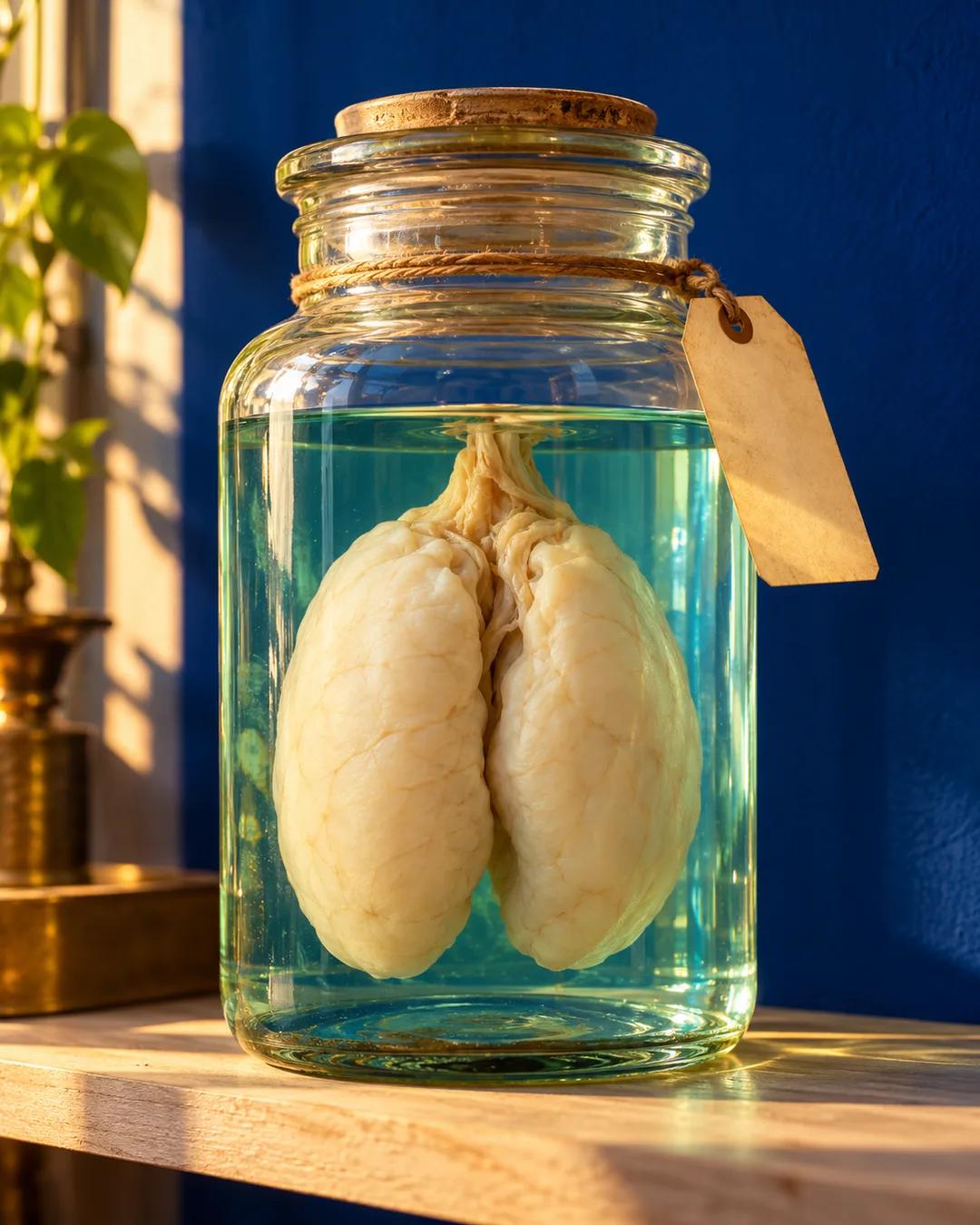
Surgeons removed a mystery organ

The mystery organ
Autopsies up to that point had mostly been done on adults, who have only a small remnant of the organ, so the large whitish mass looked like an overgrown part of the heart. Nobody knew what it did. The surgery was usually exploratory, and afterward many of the children went home and succumbed to opportunistic infections and flu.
Miller's mouse test
That hinted that the removal had taken out a critical part of the immune system. A researcher named Jacques Miller, then in England, tested it by taking the same organ out of newborn mice. The mice grew up okay and then all succumbed to bacterial infections, and a few developed tumors, which was noted at the time and forgotten.
What the thymus does
The organ is the thymus, and the T in T cell is named for it. Stem cells from the bone marrow travel through the blood to the thymus, where each developing T cell can carry any of roughly 10 to the 11th different receptors. The thymus shows them the genes of the whole genome in various ways and lets out only the cells tuned to leave the pancreas, the big toe, and the rest of the body alone.
Output is largest in childhood, from about three to six months old into the age of four or five, and then it tapers. The thymus shrinks until, in older people, it is tiny and puts out no new T cells.
How do T cells learn not to attack the body?
Inside the thymus, developing T cells are tested against samples of the body's own proteins. Cells that bind those proteins too strongly are ordered to die, a process called negative selection. A gene called AIRE helps by making thymus cells display proteins normally found only in distant tissues, such as the pancreas. People born with a broken AIRE gene develop autoimmune disease in several organs at once.
How did Miller's mouse experiment change immunology?
Before Jacques Miller's work around 1961, the thymus was widely treated as a useless leftover. His newborn mice without a thymus showed that the organ was essential for fighting infection and for rejecting grafts. His results helped split the immune system into two arms: T cells, which mature in the thymus, and B cells, which make antibodies. B cells had been identified first in chickens, where they mature in an organ called the bursa of Fabricius.
Why does the thymus shrink as people age?
After puberty, the thymus begins to involute, meaning its working tissue is gradually replaced by fat. Sex hormones are one of the drivers of this shrinkage. In adults, most new T cells come from existing T cells dividing in the blood and tissues rather than from fresh output of the thymus. The T cell pool of an older person is therefore less varied than that of a child.
More from Andrew Huberman