Korva is a scroll of the internet’s best ideas.
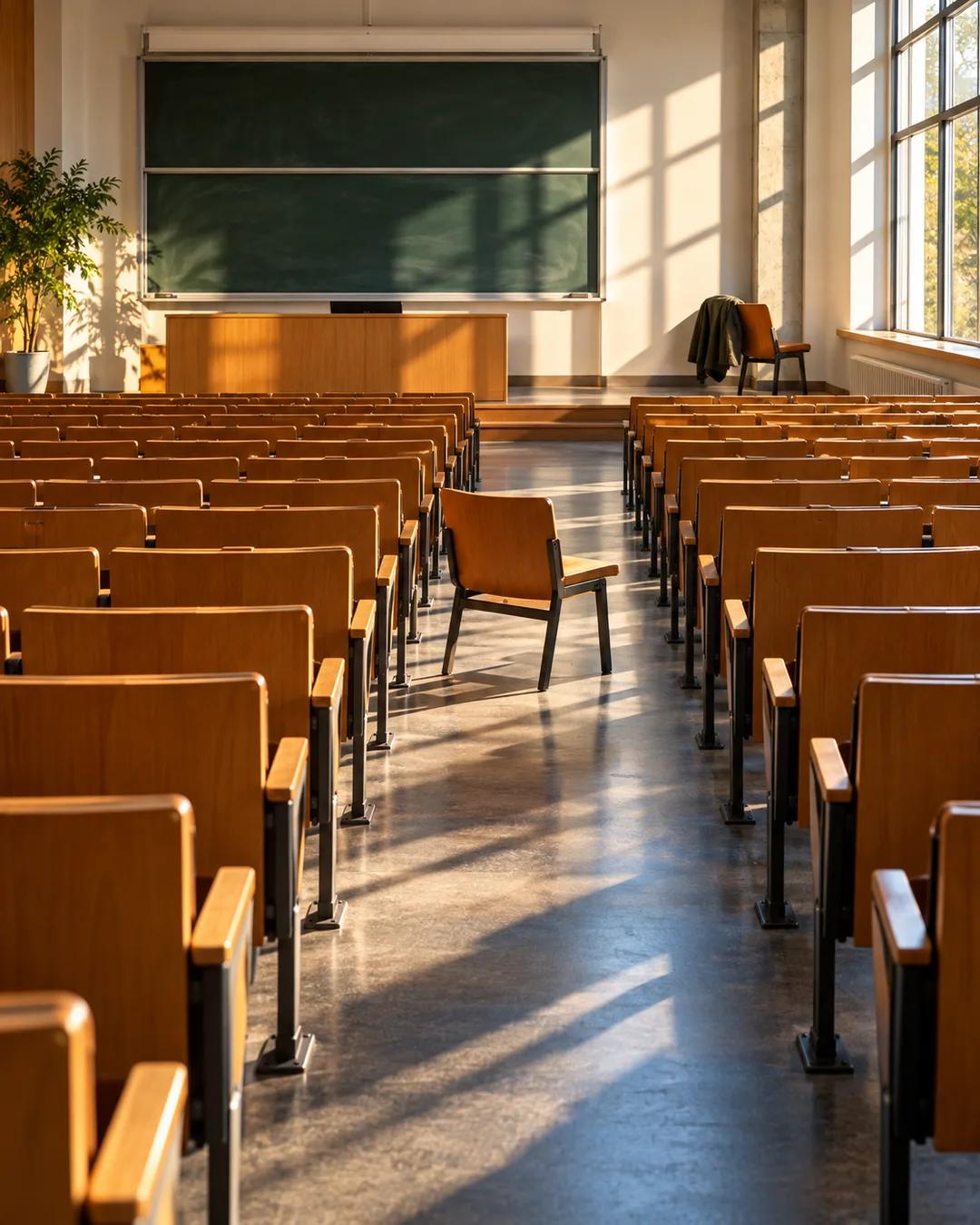
Switch seats to remember more

Students settle into the same seats after the first couple of weeks of class, perhaps because they didn't get attacked by a snake there, so it feels safe. Halfway through the quarter, a UCLA professor has everyone get up and sit somewhere else. Students find it terrible.
A different perspective, physically and possibly mentally, can lead people to remember things differently. Someone who took a class in a different classroom every year can almost revisit each room and recall what was learned there. Learning everything in the same spot brings a lot of interference.
At scientific meetings early in a career, switching seats after every break kept one researcher awake through the talks. Changing habits can be uncomfortable at first, but taking a different route to work or ordering something new at a restaurant can make a day feel like a different experience.
Why does where you learn affect what you recall?
In 1978, Steven Smith, Arthur Glenberg, and Robert Bjork had people learn word lists either in one room or in two different rooms. Those who studied in two rooms recalled more words later than those who studied in one. Each setting adds its own cues to the memory, so learning in several settings gives more routes back to it. Learning everything in one place ties the memory to a single set of cues.
Why does novelty wake up the brain?
The hippocampus and midbrain respond strongly to things that are new. In 2006, Nico Bunzeck and Emrah Duzel found that novel images activated the substantia nigra and ventral tegmental area, which release dopamine. Dopamine in turn supports storing new information in long-term memory. Familiar stimuli produce a much weaker response in the same circuit.
More from Andrew Huberman