Korva is a scroll of the internet’s best ideas.
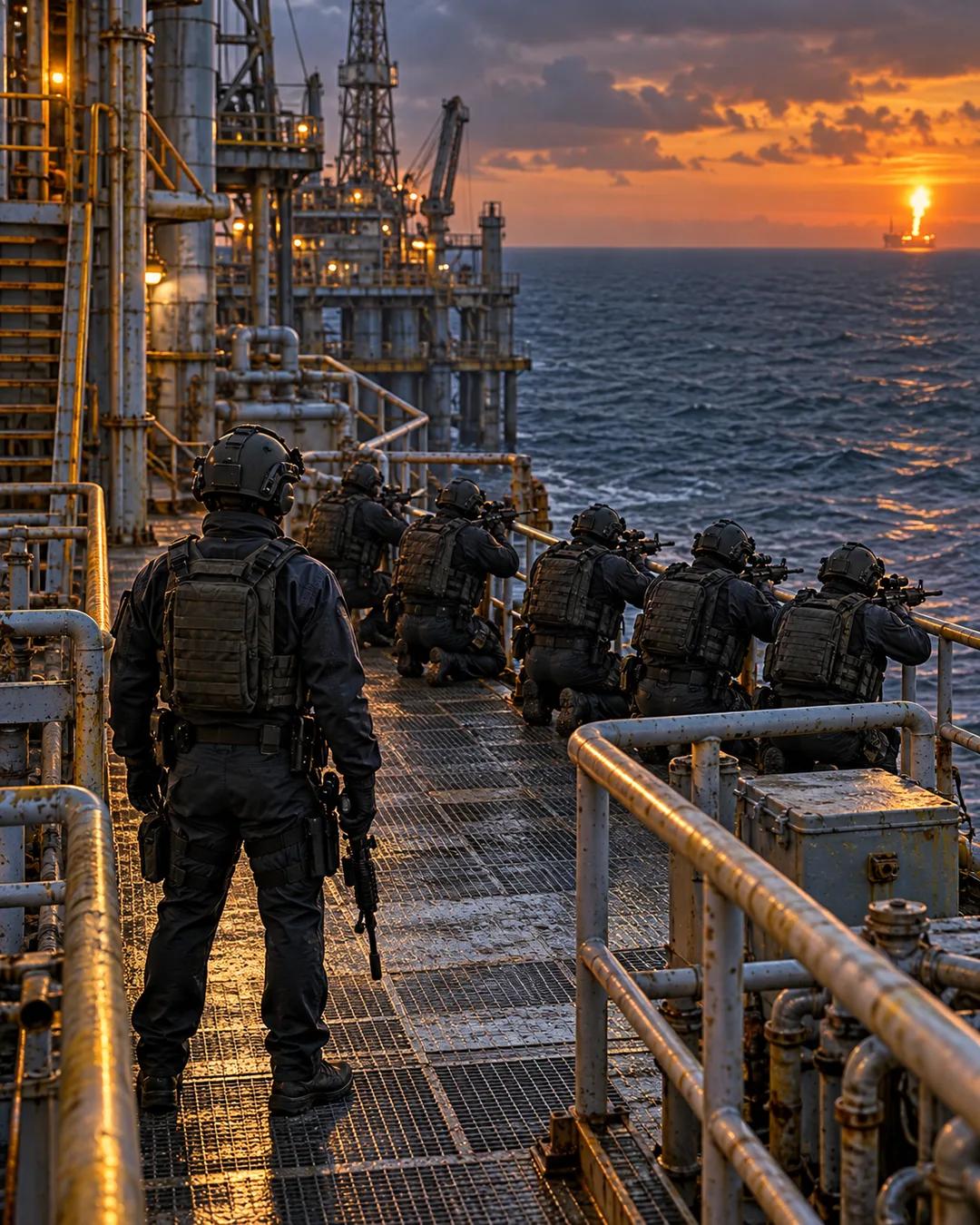
The newest SEAL stepped back

Stepping off the line
Jocko Willink was that man, and he had spent half a minute waiting for someone to give an order. Nobody did. When he looked left and right, he saw every man in the platoon, from the commander to the chief, sighting down a weapon, which shrinks a person's field of view to about 20 degrees. Stepping back gave him the whole scene.
A new guy is supposed to keep his mouth shut, but no one else was speaking, so he gathered his courage and called out hold left, clear right. It was a basic tactical call, nothing close to a genius maneuver. He expected to be told to shut up. The platoon repeated the call instead, and the men cleared the rig all the way up to the helo deck.
What the step back taught
At the debrief, the platoon chief complimented his call on the cellar deck. Afterward he wondered why the least experienced man in the platoon had seen what the rest had not. The step back had widened his view, and the breath he took before speaking had let him speak clearly. He started doing it in land warfare and urban combat training, and later in conversations. When the platoon chief began turning red in the face during a disagreement over a plan, he stepped back mentally, told the chief it sounded good, and offered to look at it again.
Why does aiming narrow a person's view?
Aiming asks the eyes to hold one tiny point, the front sight, in sharp focus, and attention follows the eyes. Psychologists call the result attentional narrowing, and it grows stronger as stress and arousal rise. In 1987, Elizabeth Loftus and colleagues showed people a staged scene in which one customer held a weapon, and viewers who saw the weapon remembered less about everything else, a pattern known as weapon focus. Eye tracking in that line of work showed that viewers' gaze lingered on the weapon itself.
Why did aviation train junior crew to speak up?
Accident investigators had long found cases where junior crew members saw trouble coming and hesitated to challenge the captain. One of them was the 1977 Tenerife runway collision of two Boeing 747s, which killed 583 people, where the flight engineer's doubts about the other aircraft did not stop the takeoff. In 1979, NASA held a workshop on resource management on the flight deck, which attributed many accidents to failures of communication, leadership, and decision making. United Airlines launched what is generally regarded as the first full crew resource management training in 1981.
Why does one slow breath steady a voice?
A slow exhale activates the vagus nerve, which slows the heart. Speech is produced on the outgoing breath, so a controlled exhale gives the voice a steadier supply of air. Heart rate rises slightly on each inhale and falls on each exhale, a pattern known as respiratory sinus arrhythmia.
More from Andrew Huberman