Korva is a scroll of the internet’s best ideas.
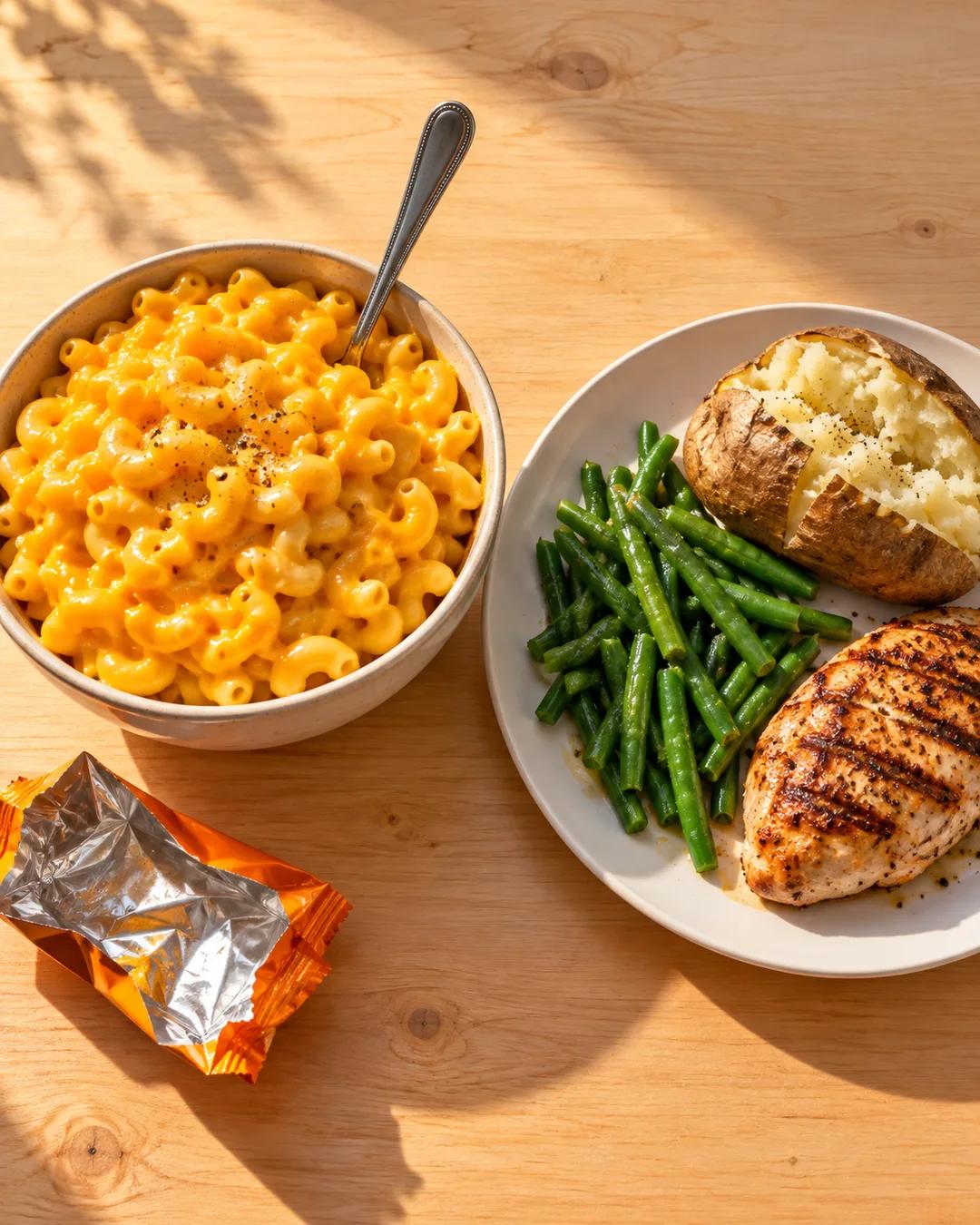
Ultra-processed food adds 500 calories
The 500-calorie jump
The experiment came from Kevin Hall, who has designed some of the most elegant studies in nutrition. Participants got very few instructions beyond eating until they felt satisfied. Their calorie intake jumped by about 500 a day without anyone asking for it.
No single culprit
No single ingredient explains it. Sugar in isolation doesn't appear to do it, and neither does fat in isolation. The combination of sugar and fat accounts for part of the effect, as does the combination of sugar, fat, and salt, and the rest seems to come from the texture, mouthfeel, and overall palatability of the food.
Labels and processing
That is why plant-based mac and cheese can be easy to overeat despite the label. A decade ago, a ketogenic diet was hard to follow on processed food, which was part of why people tended to lose weight on it. Now keto ice creams and cookies exist, and they can carry more calories than the ordinary versions.
Why do processed foods slip past fullness signals?
In the 2019 study by Kevin Hall and colleagues in Cell Metabolism, people on the ultra-processed diet ate faster than people on the unprocessed diet. Soft, energy-dense food needs less chewing, so more calories go down before fullness signals build. Participants on the ultra-processed diet gained about 0.9 kilograms in two weeks, and those on the unprocessed diet lost about the same.
How does fat plus sugar hijack the brain's valuation?
In a 2018 study in Cell Metabolism, Alain Dagher and colleagues at McGill University and Yale had volunteers bid on foods in a brain scanner. Foods that combined fat and carbohydrate were valued more than foods with mostly one or the other. The valuation did not track calorie content. Combinations like these are rare in nature, but common in snack foods.
Who defined ultra-processed food?
The NOVA classification was created by Carlos Monteiro and colleagues at the University of Sao Paulo in the late 2000s. It sorts foods into four groups by how much industrial processing they undergo. Ultra-processed foods sit in the top group and are defined by ingredients such as emulsifiers, flavorings, and modified starches that are rarely used in home kitchens.
More from Andrew Huberman