Korva is a scroll of the internet’s best ideas.
A Port City
Ur was a trading port and fishing town where the Euphrates met the sea. Fishermen brought in fish, oysters, and turtles, and the city grew rich on everything that moved through it. Copper came from the mountains of northwestern Iran, silver floated down the Euphrates from the Taurus Mountains, gold arrived from Egypt and by ship from India, and cedar for the finest buildings came by ship from Lebanon. Sumerian ships sailed to Bahrain and Oman and traded with the Indus Valley civilization for spices, agate, and bright blue lapis lazuli.
The Sea Moves Away
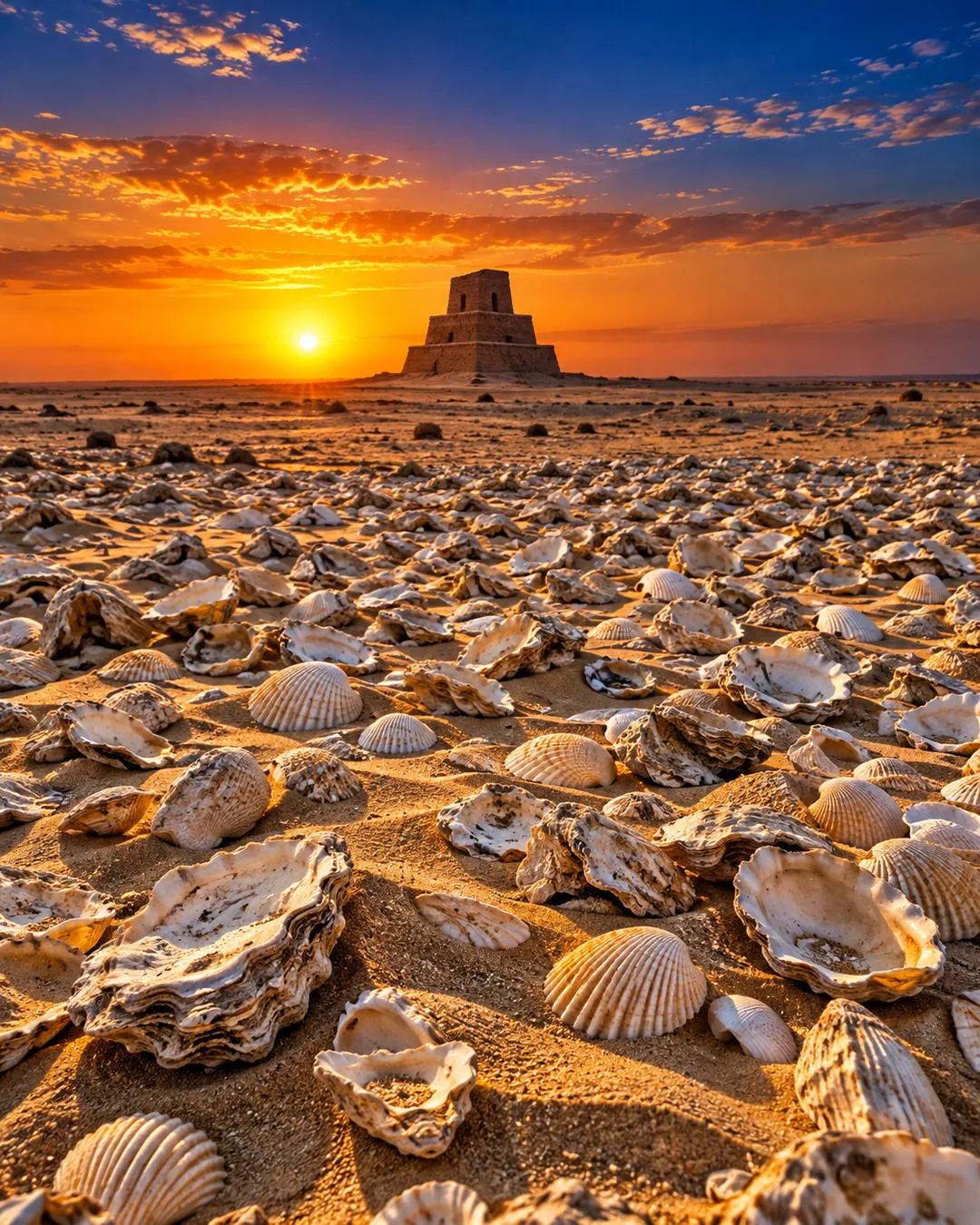
Over thousands of years, silt deposits and changes in global sea level pushed the Gulf coast back to its present location, about 150 kilometers to the south. The Euphrates also shifted its course. Early archaeologists were amazed to find millions of shells in the desert sand here.
Ur Dies Slowly
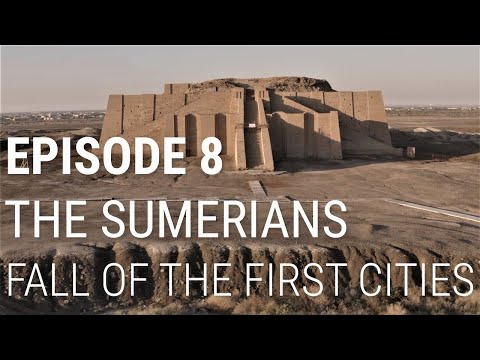
Losing the river and the sea meant a slow death for Ur. People left their homes, the fields and irrigation went untended, and the topsoil dried and blew away. The priests stopped leaving offerings to the moon god Sin in the upper chamber of the great ziggurat. The wooden roof beams rotted and collapsed, wind carried sand through the streets, and dunes buried the fallen walls.
How do rivers push a coastline outward?
The Tigris, Euphrates, and Karun rivers carry silt down to the head of the Persian Gulf, which is shallow. The silt settles where the current slows and builds new land at the water's edge. Over thousands of years this has formed the marshy delta now drained by the Shatt al-Arab waterway.
How did lapis lazuli reach Sumer?
The deep blue stone was mined in Badakhshan in northeastern Afghanistan, more than a thousand kilometers from Ur. Traders carried it overland across Iran and by sea along the Gulf. Leonard Woolley's excavation of the Royal Cemetery at Ur in the 1920s found lapis lazuli beads, jewelry, and inlays in the royal graves.
Why did Ur worship the moon god?
The moon god Nanna, called Sin in Akkadian, was the patron deity of Ur. His cycle of waxing and waning tied him to the calendar and the months, and he was thought of as a herdsman of the heavens. The great ziggurat of Ur was his house. Its lowest stage still stands today.
More from Fall of Civilizations