Korva is a scroll of the internet’s best ideas.
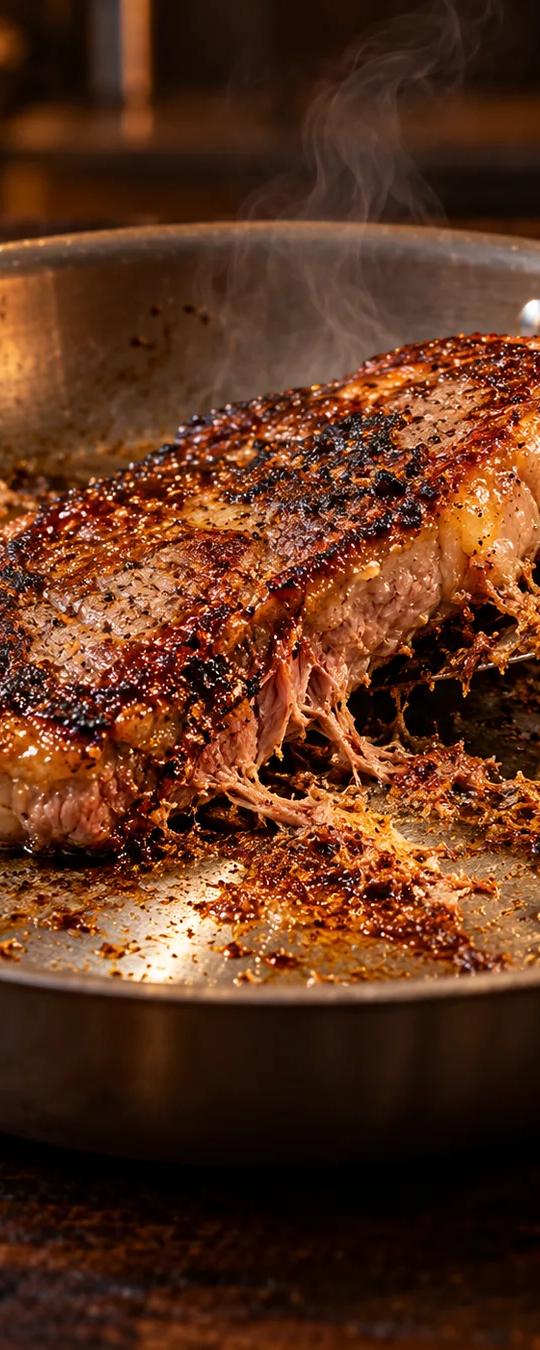
Water can never brown your food

What water does well
Water, like oil, wraps around food and conducts heat into it, which is why people boil food and fry it for the same reason. A thin film of water in a pan will even fill the gaps between food and metal the way oil does. Water may be the better choice for anyone eating too many calories.
The temperature ceiling
The trouble is the ceiling. Most cooking oils can reach roughly 400 F, or 200 C, before they start breaking down into something that is no longer oil. Water at normal atmospheric pressure reaches 212 F, or 100 C, and then becomes steam and leaves the pan, so it has to be replenished constantly. The Maillard reaction and caramelization both start around 330 F, or 165 C, and water never gets that hot.
Water needs surrounding
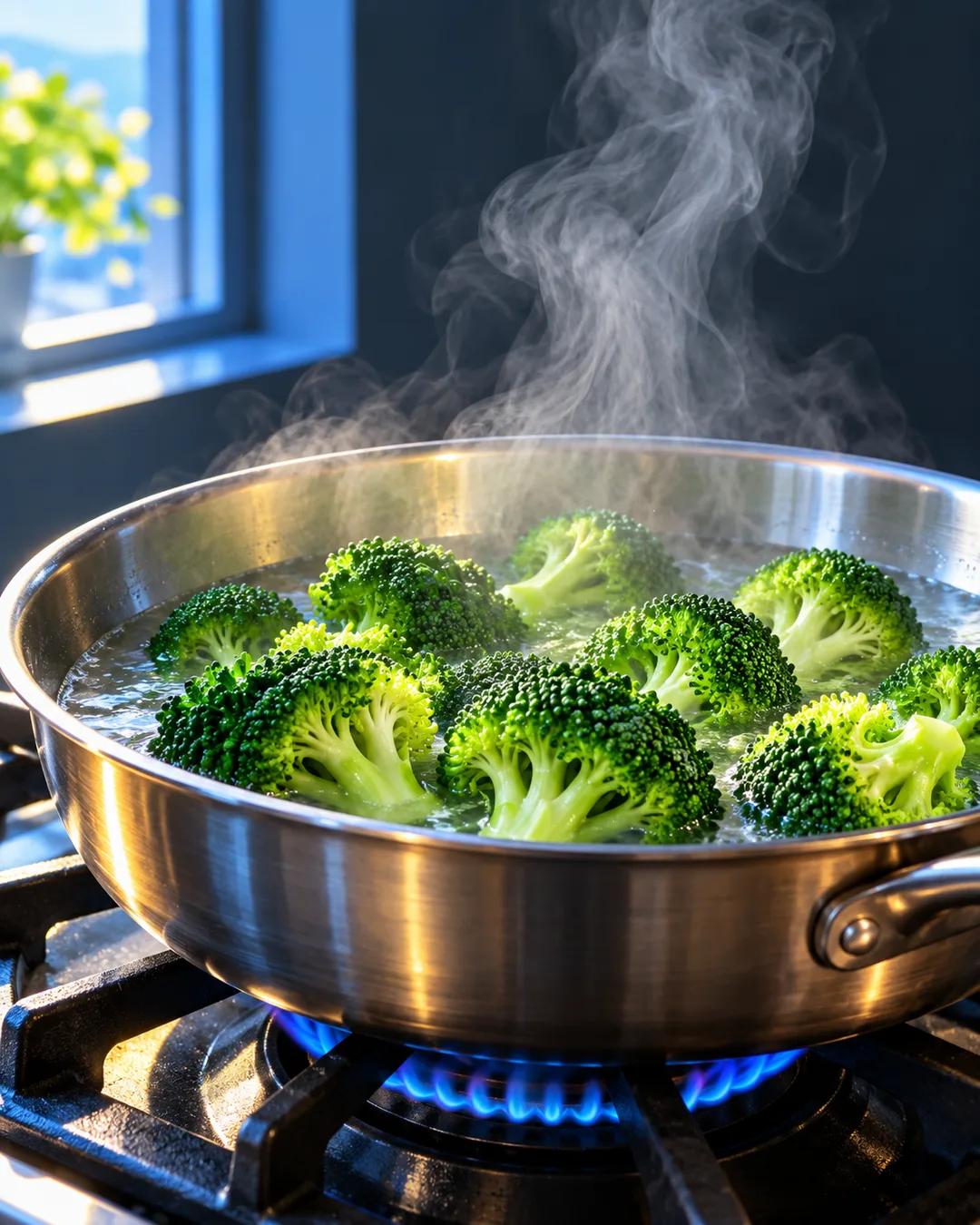
Water is also thinner than fat, so it coats food less well. To work as an effective heat carrier it generally has to surround the food completely, by boiling it or by trapping it in steam under a lid. Broccoli in a lidless pan with a little water was still not quite tender after 15 minutes, against 6 minutes in oil.
Why does water stop at 212 F?
At normal atmospheric pressure, water absorbs heat until it reaches its boiling point and then turns to steam. Extra energy goes into that change of state instead of raising the temperature, so the liquid stays at 212 F while it boils. The steam carries the energy away from the pan. This is why a pot of boiling water holds the same temperature whether the burner is on low or high.
How does a pressure cooker get water hotter?
Boiling point rises with pressure, because the water has to push back against the surrounding pressure before it can turn to steam. A sealed pressure cooker traps steam and raises the pressure inside, which lets the water reach roughly 240 F or more. Higher temperatures cook food faster. Even so, the liquid stays well below the temperature at which the browning reactions run quickly.
Why does caramelization need such high heat?
Caramelization breaks sugar molecules apart and rebuilds the fragments into new compounds with deep colors and flavors. That takes much more energy than simply warming the food. Sucrose, for example, begins to caramelize at temperatures well above the boiling point of water, according to standard food chemistry references. Food Chemistry textbooks note that the Maillard reaction, which involves amino acids and sugars, speeds up sharply as temperatures climb past that range.
More from Adam Ragusea