Korva is a scroll of the internet’s best ideas.
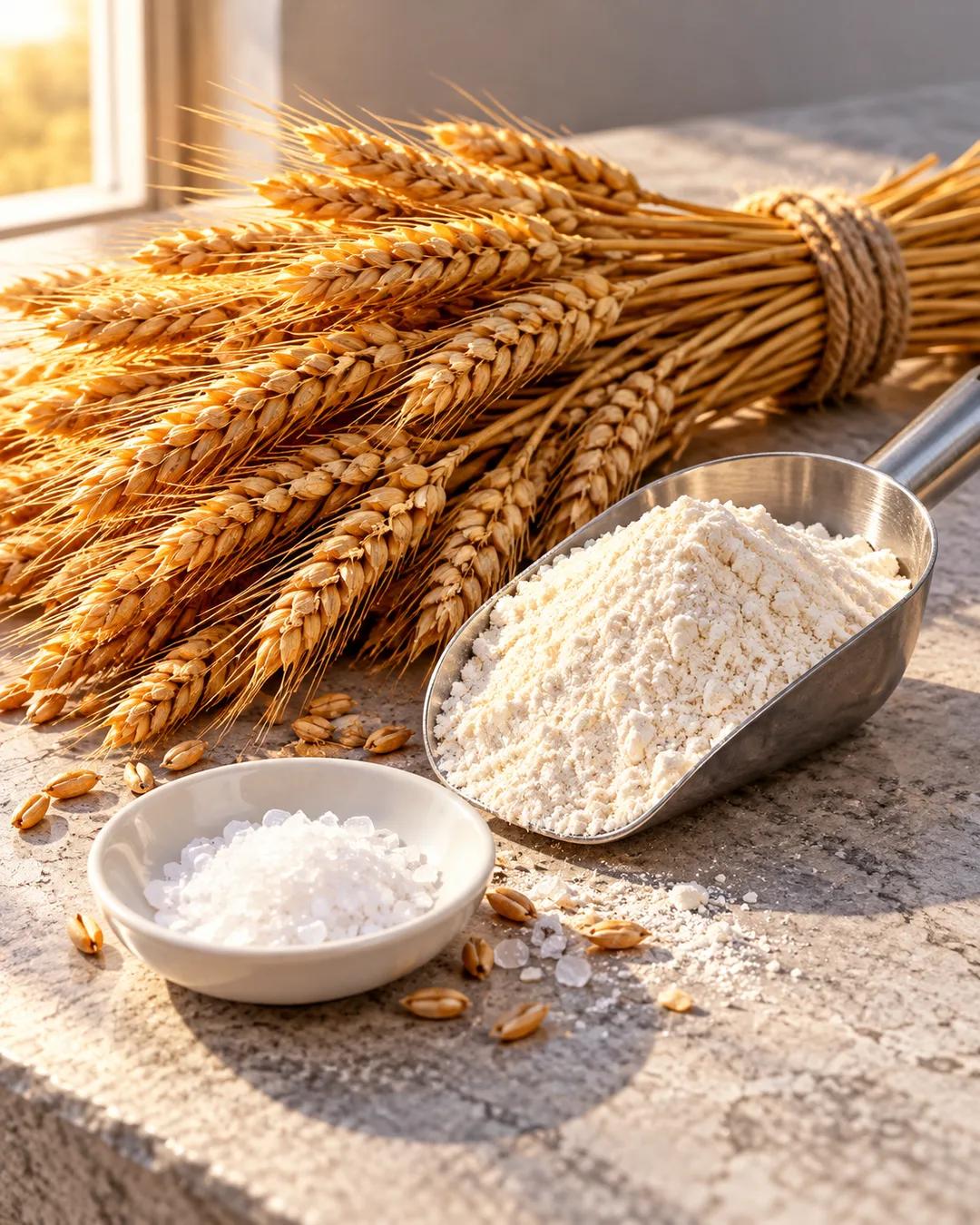
Wheat plus leucine matched whey
The rodent meals
The meals were isonitrogenous, with protein equated between groups, and isocaloric, with calories equated, and protein supplied 15 percent of total energy, roughly the level of the food guide pyramid. Leucine, a branched-chain amino acid, is almost exclusively responsible for increasing muscle protein synthesis after protein is eaten, and plant proteins typically contain less of it than whey or egg.
Synthesis versus degradation
Stimulating synthesis is only half of muscle building, which is the balance between synthesis and degradation, and degradation is very hard to measure. That is why leucine supplementation alone, despite raising muscle protein synthesis, doesn't make people more muscular.
Corn protein
Corn shows how much protein form matters. Its protein is about 12 percent leucine, though a cob holds only about 2 grams of protein. Isolated into a powder where 80 to 90 percent of the weight is protein, it becomes a strong leucine source, though it is nearly deficient in some other amino acids, so it works best blended with sources such as soy or pea.
How does leucine switch on muscle building?
A sensor protein called Sestrin2 binds leucine inside the cell. In a 2016 paper in Science, Rachel Wolfson and David Sabatini at the Whitehead Institute showed that leucine binding releases Sestrin2's hold on a complex that switches on mTORC1. That signal drives muscle protein synthesis. Cells do not read leucine through taste or blood levels alone.
Why do plant proteins carry less leucine?
Leucine content is set by the amino acid sequence of each plant's proteins. Whey is about 11 percent leucine, while wheat protein is closer to 7 percent. Plants also store protein in seeds as storage proteins whose composition differs from muscle protein. Blending sources balances out gaps in amino acids.
What is wrong with corn protein?
Zein, the main protein in corn, is low in the essential amino acids lysine and tryptophan. That made corn a poor sole protein source in diets built around it. Populations that relied on corn without nixtamalization, the alkali treatment used in Mesoamerica, developed pellagra, a niacin deficiency disease. Blends with beans or legumes fill the gaps.
More from Andrew Huberman