Korva is a scroll of the internet’s best ideas.
You may enjoy old things more

Returning to old things
People tend to push aside books, movies, and experiences they no longer engage with. When they went back to them, they may have enjoyed them just as much as the first time, if not more. A surprising sense of novelty turns up inside the old thing.
Why it works
The reason is that the person changed in the meantime. Someone who watched a favorite movie years ago is a little older now, with a different perspective, and catches a detail missed the first time or hears a joke differently.
A board game test
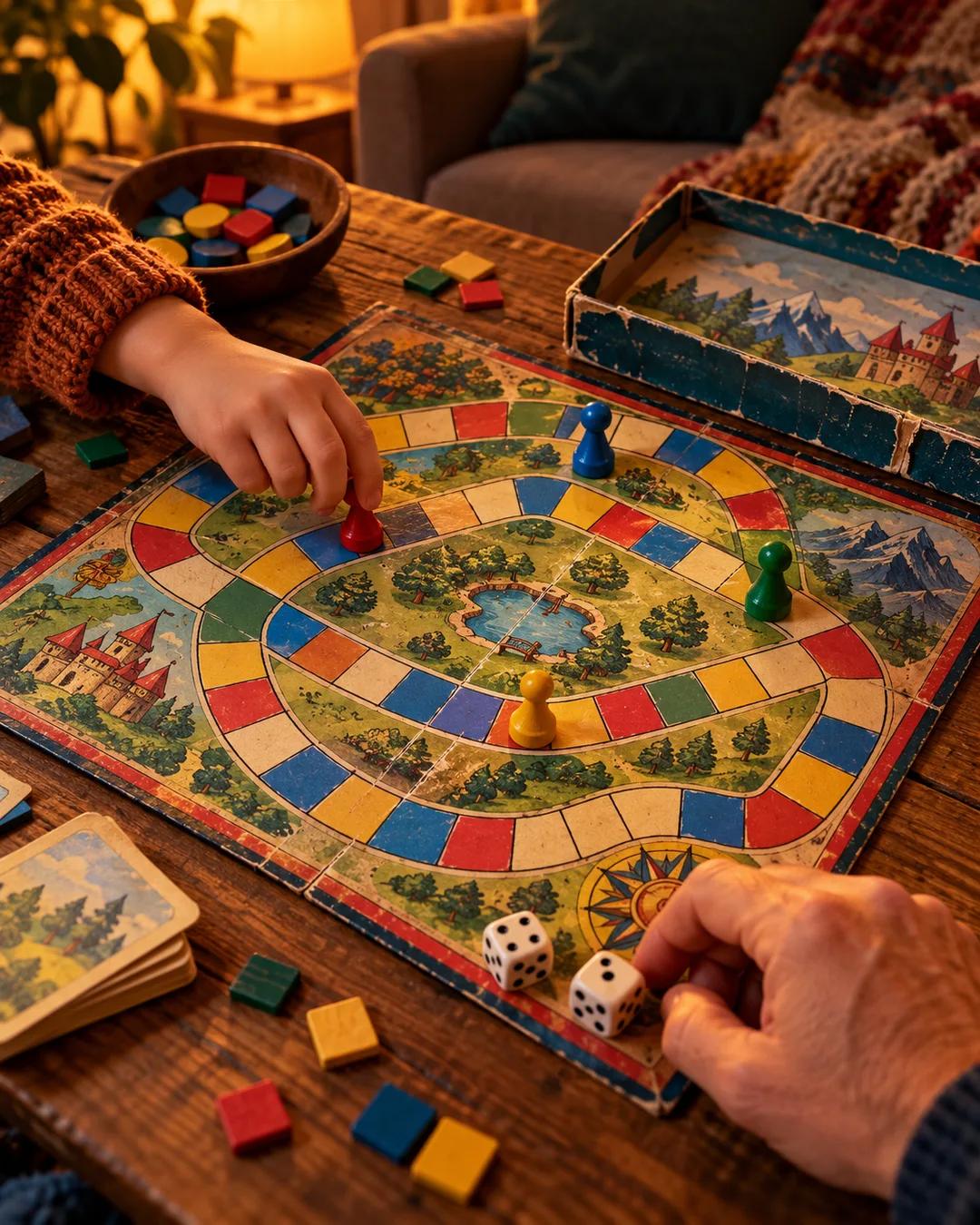
One author, an editor at The New York Times, tried it with an old board game he had not touched in a while. Playing it with his kids was just as fun as the first time, and it replaced buying a new one. Things that seem boring and dull from long familiarity may hold some untapped enjoyment.
Why do old favorites feel fresh again?
Memory fades faster than most people expect. In 1885, the German psychologist Hermann Ebbinghaus measured this with lists of nonsense syllables and charted the forgetting curve, which drops steeply at first and then levels off. Details lost from a book or movie become new again on a return visit. A reader or viewer also arrives with new experiences that change which details stand out.
Why do people predict repeats will be dull?
The University of Chicago work came from Ed O'Brien, a behavioral scientist at the Booth School of Business, and was published in 2019 in the Journal of Personality and Social Psychology. His experiments found that people expected repeat experiences to be less enjoyable than they turned out to be. Forecasting errors of this kind arise because people picture an experience as a simple summary, when the real thing holds far more detail than the summary does.
Why does a second viewing show more detail?
On a first viewing, attention goes mostly to following the plot. Once the plot is known, attention is free to rest on dialogue, background, and small touches. Film scholars have noted that mystery and twist films reward a second viewing for exactly this reason, because earlier scenes read differently once the ending is known. Studies of eye movements show that gaze patterns shift when viewers watch familiar footage again.
More from Something You Should Know