Korva is a scroll of the internet’s best ideas.
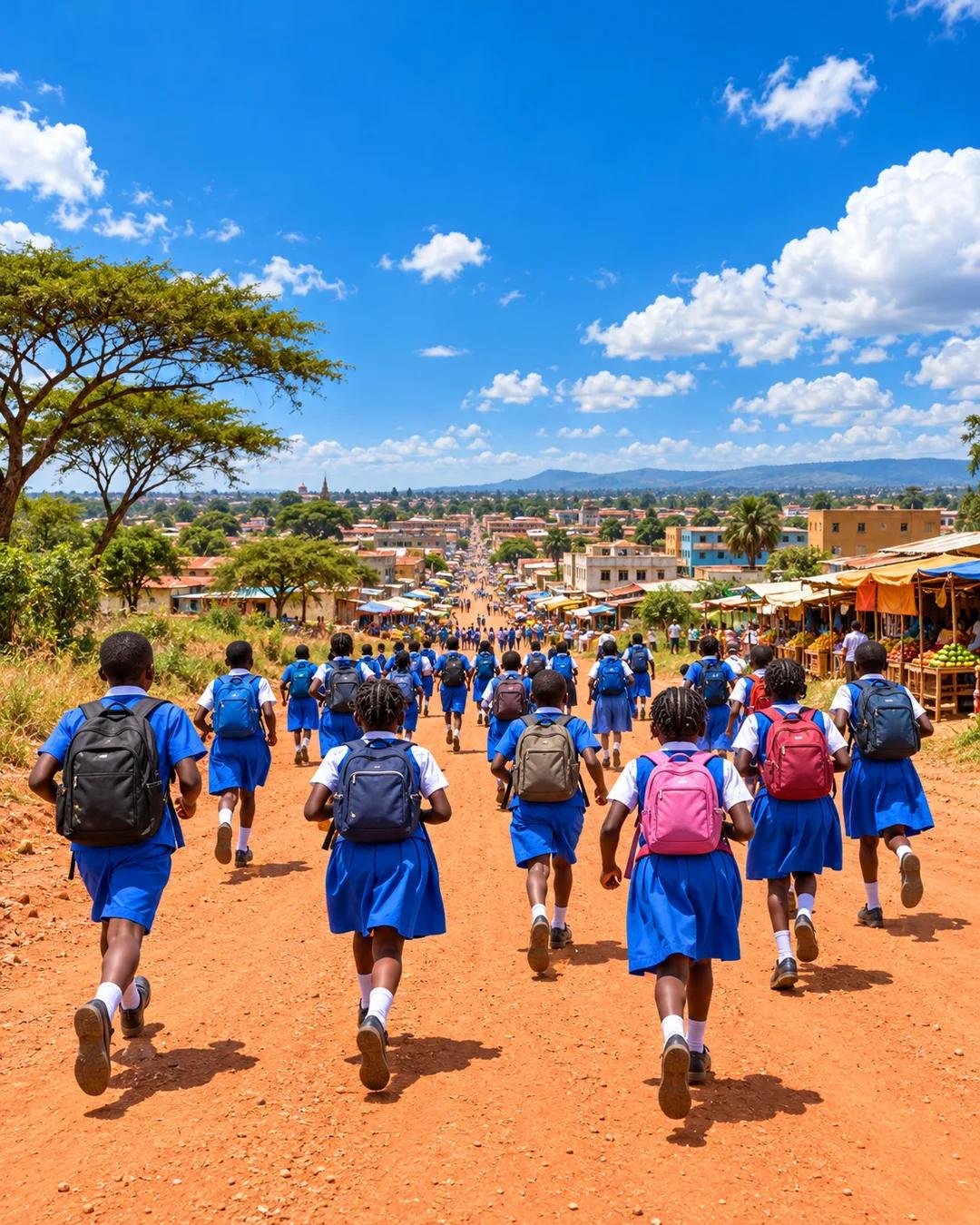
Young people will live on one continent

Young people in one place
That will have a tremendous impact on production and on where things actually happen. It will not be unproblematic for African countries themselves, but it gives them an enormous amount of potential in the longer run.
Southeast Asia and India
In the shorter run, the best-placed region is Southeast Asia, by far, with the highest growth potential anywhere over the next half generation or so, and India not far behind. The first beneficiaries of this kind of development are countries with a healthy demographic profile, basic education, and people drawn into the economic transformation.
Indonesia and Nigeria
Two countries stand out a generation down the road. Indonesia will be by far the predominant country in Southeast Asia, the most successful region in the world for growth. Nigeria is extremely well placed for economic development if it can avoid tearing itself apart over its many internal conflicts, and it sits at the center of a much larger region in West Africa that is growing very fast.
How can a country grow without any births?
Natural population growth is births minus deaths, and a country can still gain people through immigration. A population can also keep rising for a time after fertility falls because many people are in their childbearing years. Africa is different because high fertility and a very young population keep natural growth going. The United Nations' 2024 projections put the world population peak at about 10.3 billion in the mid-2080s.
Why is Africa's fertility still so high?
United Nations estimates show fertility in sub-Saharan Africa far above the world average. In Niger it is above six births per woman. Child mortality fell later there than in Asia or Latin America, and families tend to adjust their size slowly after it does. Girls' schooling and contraceptive use are lower in several of the highest-fertility countries, and both are linked to smaller families.
How does a young population power growth?
Economists call the effect a demographic dividend. When children are a smaller share of the population and old people are still few, a large group of working-age adults supports relatively few dependents. This helped drive growth in East Asia from the 1960s onward. South Korea went from about six births per woman in 1960 to below one in the 2020s, according to Statistics Korea.
More from The Rest Is Politics: Leading