A $100 Flight Drop Turned Into Refunds for Nearly a Million Users
The airline refund became an app that scanned receipts and asked stores for the difference.
 Y Combinator · How To Build The Future: Eric Glyman, Co-CEO of Ramp
After a year of leaving the office after dark, Eric Glyman, now co-founder and chief executive of the finance company Ramp, finally got away with friends. They booked flights together and used incognito mode, thinking a private browser window would get them a fair, non-personalized price.
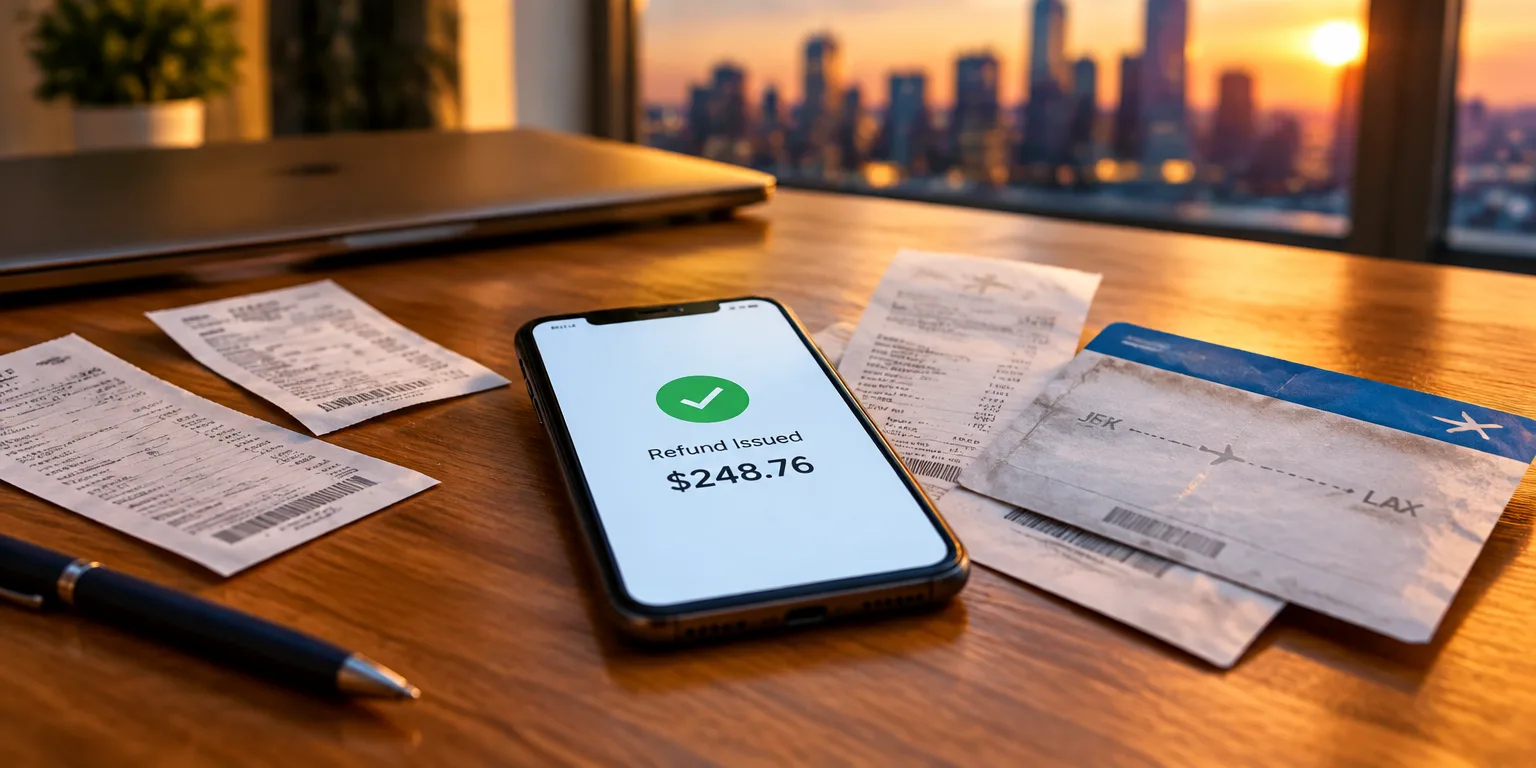
The next day, another friend asked to join the trip. Glyman looked up the same flight to send the details and stopped. The fare was $100 less.
Glyman had spent his workdays at a bank reading credit documents, the fine print behind loans, so he did what felt natural. He read the airline policy and found it would refund the difference if notified within 24 hours.
He called, and within an hour the group had almost $1,000 back. That refund became Paribus, a savings app built to catch price drops automatically by scanning email receipts, checking current prices, and requesting the difference.
The early math was striking. For one in 20 people, Glyman said, the app saved money within minutes of signing up.
He and his co-founder, Kareem, spent about a year tinkering with how to get the right purchase data. Card records did not show itemized receipts, but email did, and no one had yet used the inbox as a source for refund claims. They knew enough about computers to know software could check prices and that store policies were structured enough to automate.
They bought items themselves and found prices fell more often than they expected. Their first version was a script built in VBA, the programming tool they knew, and they started getting refunds.
Then they turned to friends with an awkward request: email logins so they could try to save them money. Enough friends agreed to let them pull receipts and keep testing.
Less than a year after finishing the startup accelerator, Paribus had almost a million users and Capital One made an offer to buy it. Glyman spent more than two years there, where he said he saw a world-class operation.
He also saw processes that could kill good ideas and incentives that sometimes were not aligned with customers. Those mismatches, he said, left room for better results for customers.
Questions people ask
How did the app find price drops?
With permission, users connected Gmail or Yahoo accounts. The app searched for purchase receipts, organized the items and prices, checked whether the price had dropped, and sent a refund request from the user's account when the store policy allowed it.
How did Paribus make money?
Paribus charged only when it saved money, keeping 25 percent of the refund. It later added a referral offer that lowered the fee to 20 percent for both the existing user and the new user, which helped referrals grow.
What happened after Capital One bought it?
Glyman and Kareem spent more than two years at Capital One after the sale. Glyman said they learned how sophisticated use of information transformed credit cards, but also how internal processes and incentives could block useful ideas.