Dealer Says Home Delivery Took Away a Leg of Trucking
A century-old Los Angeles dealer now sells two or three trucks a month, down from dozens, while repair work is okay and parts do very well.
 Marketplace · IPOs grow and grow
Dan Holtzman, the 74-year-old owner of Western Truck Exchange in Los Angeles, runs on three words: trucks must run. His grandfather started the business in 1922, and Holtzman took over at age 25.
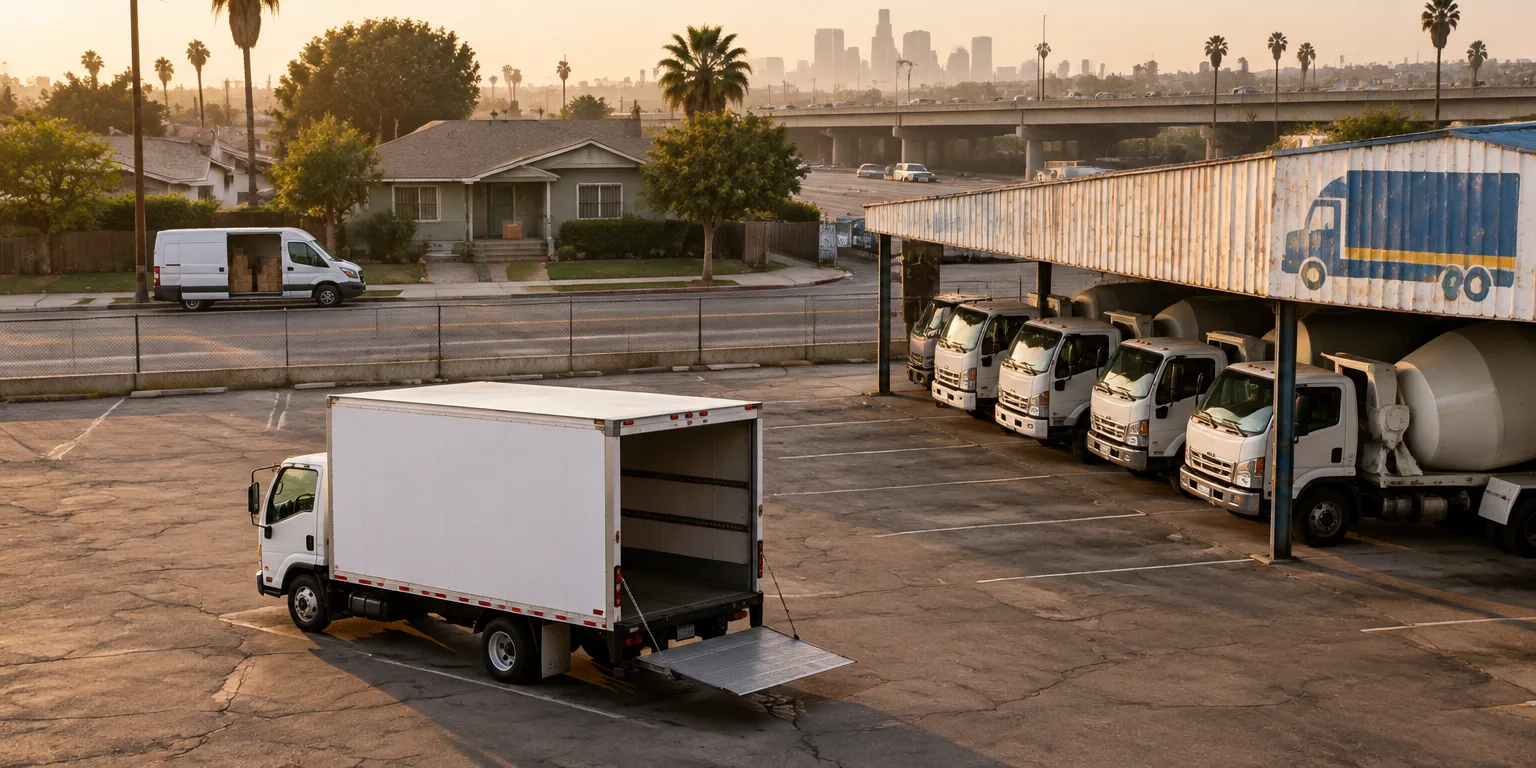
The shop, near the 110 Freeway, sells new and used trucks, fixes them, sells parts, and builds specialized rigs such as armored trucks and cement mixers. Holtzman says the “repair business is okay” and the “parts business is doing very well,” but truck sales have evaporated.
He calls this period the terrible 20s, a play on the roaring 20s a century ago, and the most depressed market he has seen in 50 years. Where the shop once sold dozens of trucks a month, it now sells two or three.
His explanation for the slump is his own view. He cautions that he does not know for sure, but he believes it stems from how people now receive goods at home.
The final mile, the last step that brings a package to a house, is thriving, he says, with people delivering out of cars and vans. Holtzman says that shift has “eliminated one leg of the previous trucking industry,” and that lost leg is what hurt.
He describes the slump in terms others are using, the Great Freight Recession. He says freight evaporated about four years ago.
He does not expect shoppers to go back to the old ways. He says he has to adapt and is searching hard to find a way to do business in final-mile delivery or in primary-mile delivery. He says his shop specializes in medium-duty trucks.
Questions people ask
Why would repair work hold up if truck sales have collapsed?
Owners keep older trucks on the road longer when freight rates are weak and new trucks are hard to justify. That means more maintenance, replacement parts, and custom fixes, even while showroom sales stall.
What kinds of vehicles handle final-mile delivery?
They are usually smaller vehicles built for stops and short trips: cargo vans, step vans, pickup trucks, and even personal cars. They carry fewer packages than a big rig, but they can reach homes and apartments directly.
What is the difference between light, medium, and heavy-duty trucks?
Light-duty generally means pickups and vans, medium-duty covers larger work trucks with a separate cab and frame for job-specific bodies, and heavy-duty means full semitrailers for long highway hauls. Holtzman says his shop specializes in the middle group.