Canceling a Forgotten $100 Subscription Can Leave You $99 Ahead of a 1% Reward
Ramp co-CEO Eric Glyman says customers want money in the bank, and technology-funded savings beat rewards.
 Y Combinator · How To Build The Future: Eric Glyman, Co-CEO of Ramp
Eric Glyman, the co-CEO of Ramp, says the insight came from listening closely when customers were asked to choose between points and cash back. The trick was to listen past the choice itself to the deeper wish behind it.
"I actually just want more in my bank account," was how people answered, in his account.
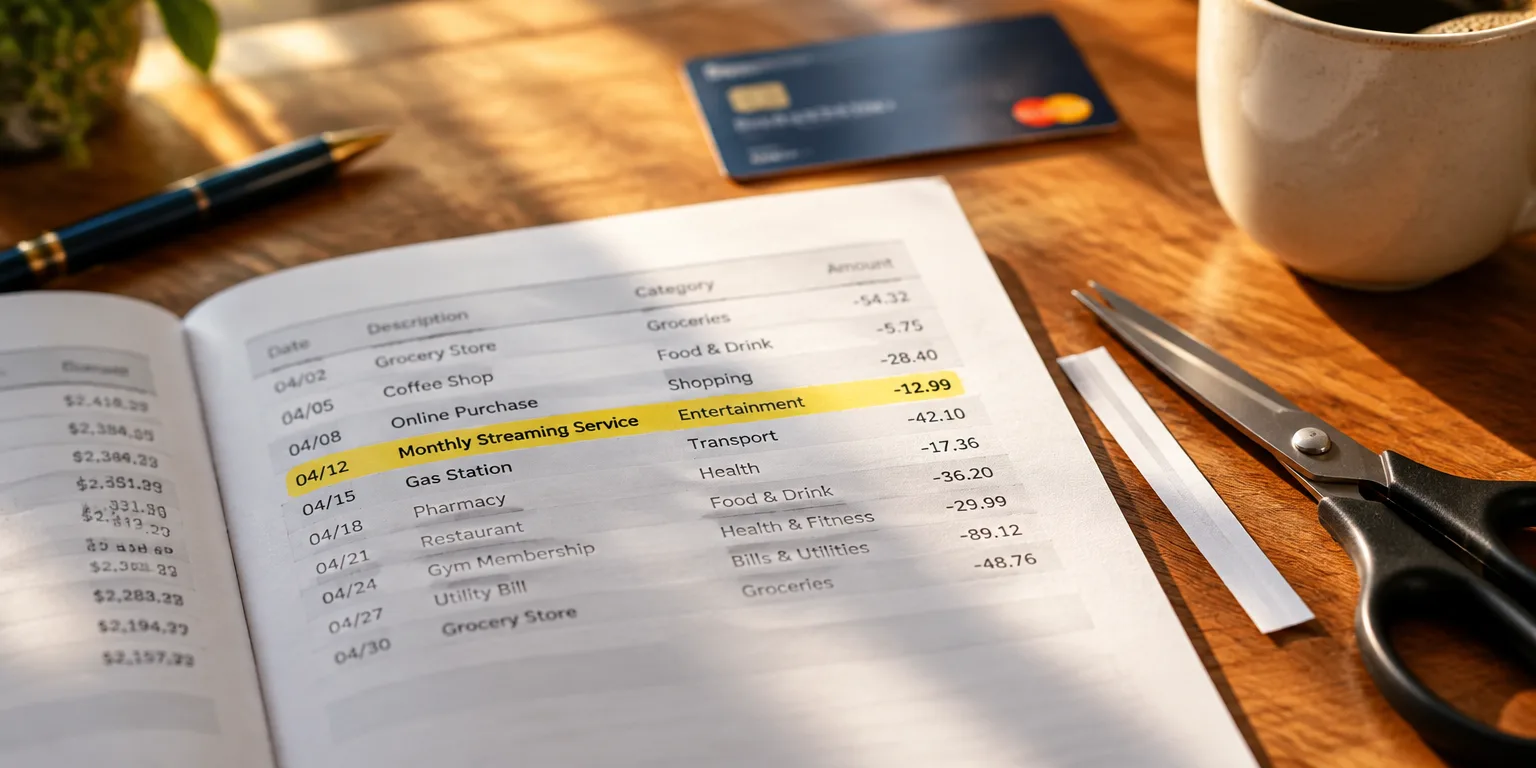
Glyman's example: cancel a forgotten $100 subscription and you might have $99 more than with a 1% reward. The comparison turns a small rebate into a far larger saving left in the account.
The question became why no card or software did that. Done well, the savings approach could offer an almost 100-times better proposition for customers, not just 10-times better.
Many in the business feared a race to the bottom, cutting prices until profit disappeared. Competing on value, meaning more cash left for the customer, offered a different path.
The way forward was through technology rather than a bigger rebate. The distinction was less a technical insight than a business model insight, since profits from financial products could fund better software and leave more to invest in new things.
That thinking shaped early products, including a card designed to help customers spend less while handling expense reports, and bill payment software. Ramp had more money to invest than businesses that only make that kind of software.
Ramp now measures success by that alignment, tracking savings in money and time for customers.
Questions people ask
How does Ramp make money if it helps customers spend less?
Mostly through interchange fees paid by merchants when customers use its cards, plus software subscriptions for its expense, travel, and bill payment tools. If the software saves enough money and time, companies keep paying for it and keep spending through Ramp, even if wasteful spending falls.
Do points ever beat simply spending less?
Sometimes, especially for frequent travelers who redeem miles strategically and pay balances in full each month. For many households and businesses, Glyman argues, forgotten subscriptions and unmanaged expenses dwarf what 1% or 2% back can return.
What is an unused subscription for a business?
It is a recurring charge a business keeps paying after it stops needing the service, such as software seats for former employees or duplicate tools across teams. They are common because subscriptions renew automatically and are easy to overlook in separate budgets and statements.