A 2 A.M. Confession After An All-Night Interrogation Cost A Dishwasher 58 Years
Police allegedly threatened execution, promised parole in 14 years, and staged a press reenactment the next day.
 Stuff You Should Know · The Story of Chester Weger
Shortly before 2 a.m., after eight hours of questioning, Chester Weger gave his interrogators what they wanted. The 21-year-old dishwasher confessed to killing three women at Starved Rock State Park.
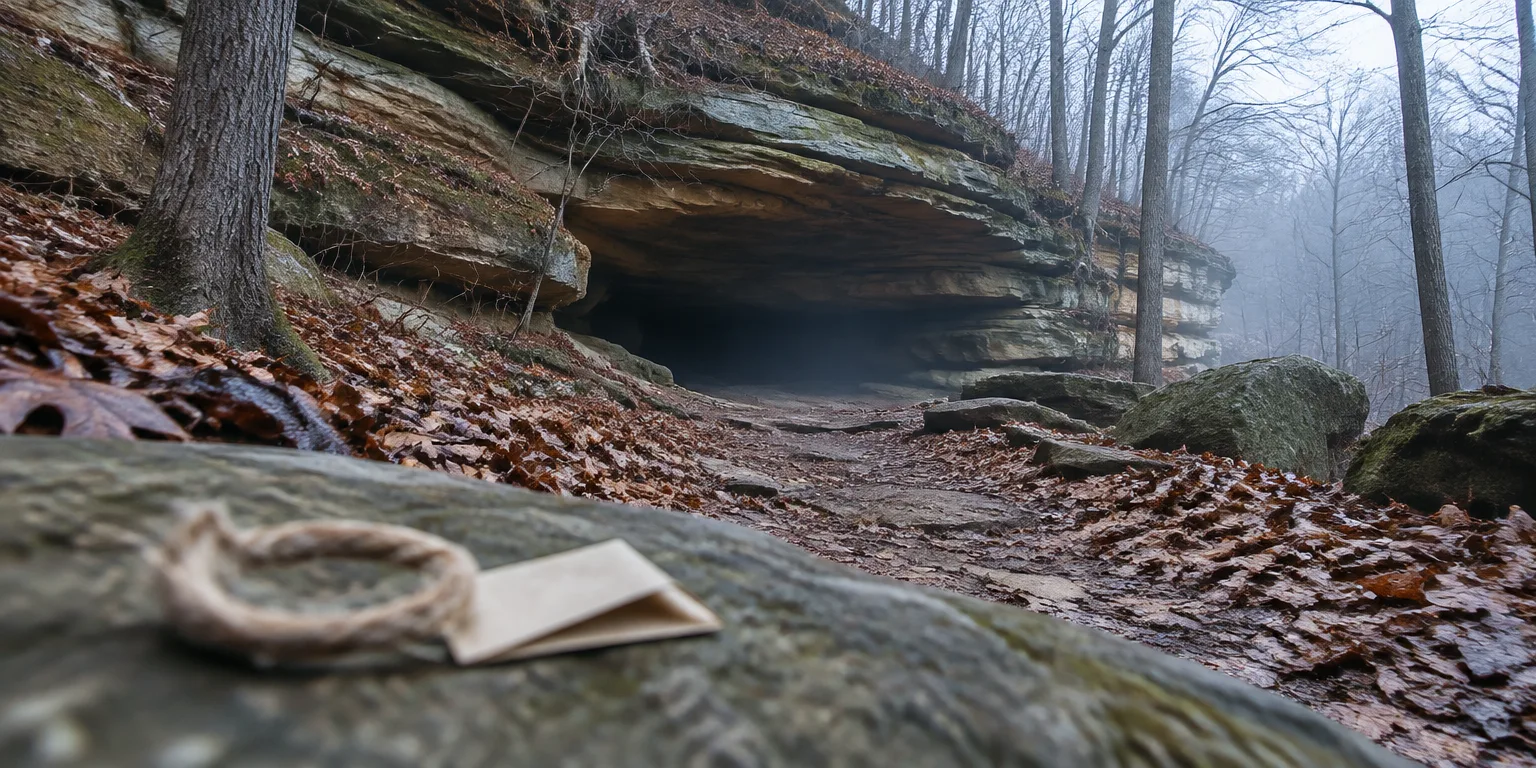
The victims were Lillian Oding, Mildred Lindquist, and Francis Murphy, three friends who had gone birdwatching in St. Louis Canyon. They were found side by side in a cave, bound with twine and bludgeoned.
That middle-of-the-night confession became the case against Weger. He spent the next 58 years saying police had threatened it out of him and fed him the details.
He had already endured an around-the-clock interrogation lasting about 24 hours by interrogation specialist John Reid and his associates. Weger later said they put an empty gun to his head and clicked it.
He said they warned that he would face execution if he did not admit to the killings, and promised a sentence of about 14 years if he did. Reid also told him the polygraph machine was broken and asked him to answer yes to every question, which Weger refused to do.
Weger, who was slight and polite and remained composed through the marathon session, maintained that he had done nothing wrong. But the pressure did not stop.
Attorney General Harlan Warren had lost his bid for reelection and wanted a result before leaving office. On November 16, 1960, deputies Hess and Dummit picked Weger up at his apartment and took him to the courthouse.
Sheriff Utsi got a warrant from a justice of the peace who was the local grocer, rather than a circuit judge. Deputy Dummit told Weger that a confession would bring a life sentence with parole eligibility after 14 years, while refusal could mean the electric chair.
Officers brought in Weger’s wife and parents. His father asked that officers halt the interrogation so his son could get a lawyer, but this was before Miranda rights existed, and questioning continued.
The next day, authorities brought Weger and the press to the canyon for a filmed reenactment. He said he had tried to rob the women, fought over a camera or binoculars, lured them farther into the canyon, tied them, killed them with a tree limb, and removed undergarments to fake a sexual assault.
The account struck observers as implausible, in part because Weger was small and the three healthy women might have overpowered him. Under his telling, two women waited while he killed the third with the limb.
Weger recanted the next day, saying deputies had threatened him and supplied details. He said he had once before admitted to a sexual assault charge as a young teenager after being promised probation.
Prosecutors charged him only with Oding’s murder, preserving the chance to try him later for the other two. Assistant prosecutor Anthony Recuglia later said the killing story made little sense, but the confession was enough.
Weger testified for three hours that he had been coerced. The jury deliberated for ten hours and convicted him.
He was released in 2020 at age 80 without admitting guilt, after 58 years in prison. He died of cancer at 86, believed to be in 2025, still convicted of the murder.
Questions people ask
What was the Reid interrogation technique?
It is a guilt-presumptive method in which interrogators assume the suspect did it, offer a narrative for how it happened, and press for a signed admission. Critics say the mix of pressure, minimization, and promised leniency can lead innocent people to confess. Several police departments and courts have restricted or cautioned against parts of the approach.
Did later DNA testing say anything about Weger’s guilt?
Weger’s pro bono lawyers later got permission to run preserved bloodstains and hairs through modern DNA databases. The testing found the hairs did not come from Weger and pointed to a family with several brothers living near Starved Rock at the time. A judge ruled the results were not enough to overturn the conviction.
Why did he stay in prison for 58 years?
Weger repeatedly refused to express remorse or admit guilt, which parole boards often expect. He was denied parole many times and was finally released on his 24th request in 2020.