A Boston Astrologer Taught Her Grandson How to Listen
She called her New Hampshire property Harmony Hill, and her lessons in listening stayed with her grandson for decades.
 Bear Brook · A Private Matter, Episode 3
When Jay Hickey was five, his weekends belonged to his grandmother and a small chapel she had built in the New Hampshire woods.
His grandmother was Isabel Hickey, known as Izzy, a Boston astrologer who built a spiritual life by mixing star charts with Christianity, reincarnation, and karma.
In Boston in the 1960s and 1970s, Izzy was a force in what was then called the New Age movement, a loose interest in astrology, meditation, and alternative spirituality. She wrote books on astrology, including It Is All Right and Astrology, a Cosmic Science, and gave a weekly talk at Boston University called the Friday Night Fix.
Joe Murphy, then a graduate student at the university, was enthralled by her. He later said, “I would compare her as a healer to Mother Teresa.” An unidentified admirer in recordings shared online called her a gifted astrologer who really wanted to help people.
Izzy practiced astrology, the belief that the sun, planets and other distant bodies can offer guidance about personality and life. Her version was expansive. It included a Christian God alongside reincarnation, the idea of being reborn in another life, karma, the idea that actions shape future consequences, and psychic realms.
She liked wordplay her students called Izzyisms. Disease became dis-ease, and discipline became disciple in.
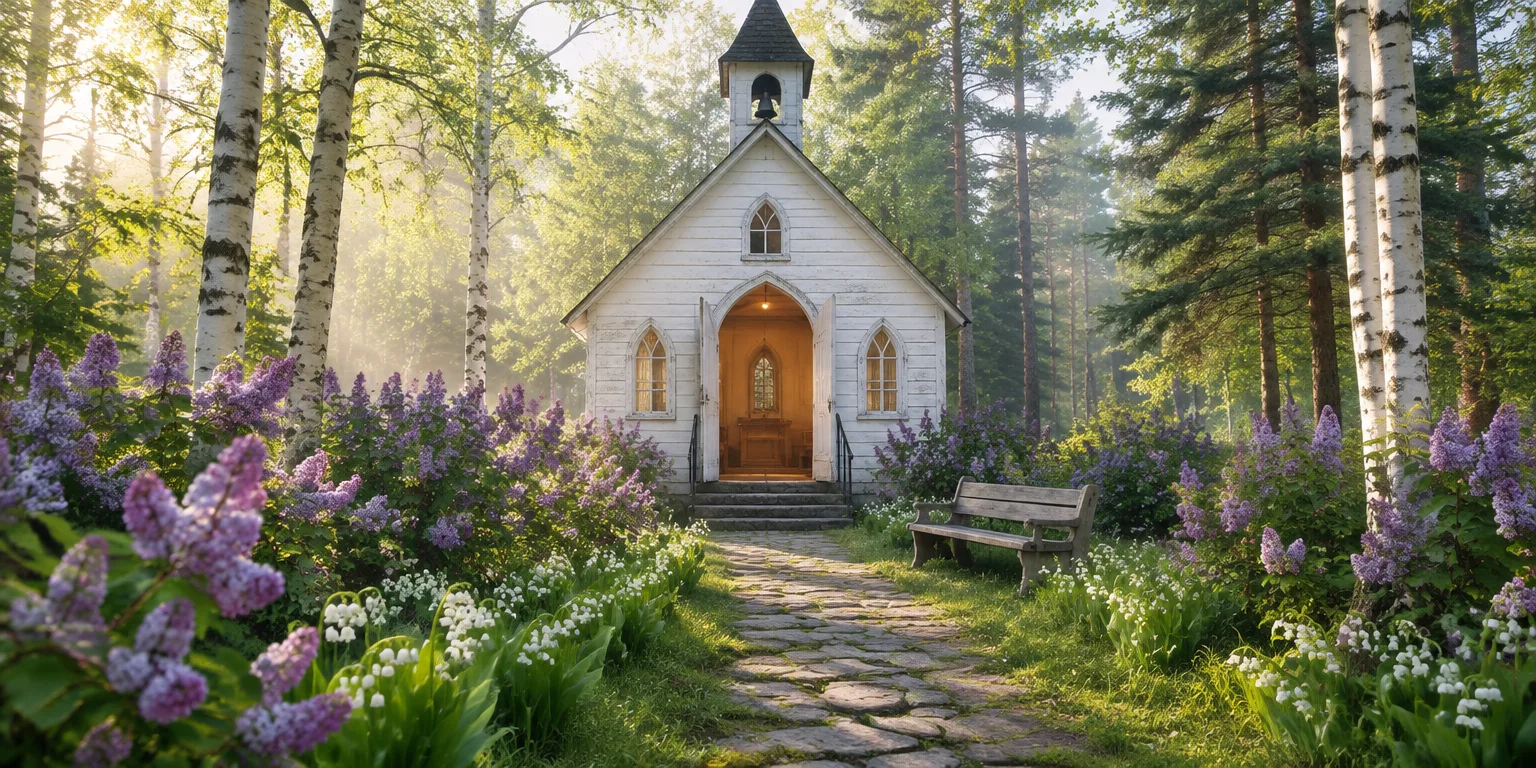
As she fixed up a summer property in Nottingham, New Hampshire, one of her first projects was a chapel. She called the place Harmony Hill. Jay, the oldest of five boys, often went with her for weekends, an arrangement that also gave his mother some space.
The property drew Izzy’s astrology and meditation students for weekends. They worked hard on Friday night and Saturday, then gathered in the chapel for meditation on Sundays. For a young boy, Saturday nights were a thrill because there was no bedtime.
In the chapel, Izzy taught Jay to pray and to meditate. Jay recalled asking about the difference, and said Izzy told him, “praying is praising God and talking to God, and meditating is listening.” She told him not to use his mind, but to come from his heart center.
Jay carried those lessons into adulthood. In his mid-60s, speaking softly with his hands folded in his lap, he described Izzy’s groups, the chapel, and the late nights in detail. He had also co-written a book about her and his childhood with one of her students.
Decades later, he still remembered being four, five, and six and spending that time learning to meditate. Describing the chapel, Jay said, “In the spring, it was filled with lilacs and lilies of the valley.” If he thought about her in those times, he said, he could still smell the flowers.
Questions people ask
What exactly is astrology?
Astrology is a belief system that holds that the positions of the sun, moon, planets, and stars can reveal meaning about personality and events. Most scientists say there is no evidence that celestial positions influence human life, but many people consult horoscopes for guidance or self-reflection.
What does karma mean?
Karma originated in Hindu and Buddhist traditions and generally holds that a person’s actions have consequences, sometimes in a future life. In Western spiritual movements, it is often used more loosely to mean that good actions bring good outcomes and bad actions bring bad ones.
What does it mean to meditate?
Meditation is a practice of focusing attention, often on breathing, a sound, or bodily sensations, to calm the mind. Researchers have found that regular practice can reduce stress and help people manage attention, though experiences vary widely.