To Change Minds, Ask Questions Instead of Arguing
After a Knicks game taught financier Mike Milken that facts do not persuade, he switched to quizzes and self-discovery.

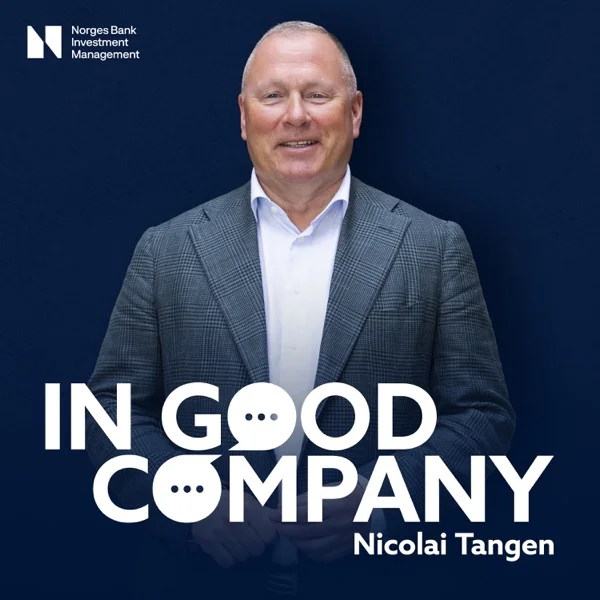 In Good Company with Nicolai Tangen · Mike Milken: Access to Capital, the American Dream, and Why Risk Is Misunderstood
Mike Milken, who worked at Drexel selling lower-rated 'junk' bonds, needed skeptical investors to reconsider debt they considered too risky.
His solution was not a louder argument. It was a short quiz.
The method is simple. Do not lecture or raise your voice.
Instead, ask plain multiple-choice questions about the belief you want to test. Let people answer by a show of hands or on paper, without embarrassment.
Then reveal the correct answers and let them sit with the gap. Milken said people begin to ask themselves why they believed one thing when the facts say something different.
He traced the lesson to the early 1970s at a New York Knicks basketball game. He spent three quarters pressing the head of a major financial firm with facts about the appeal of lower-rated debt.
Late in the game, the executive cut him off. If the Knicks won, he would buy. If they lost, he would not.
Milken took that as a warning. Even a strong presentation could hinge on how the team did, so he looked for another way to present facts.
Part of the answer came from a book called Factfulness, written by a friend who died shortly before it appeared in print with help from his family. The author used simple questions to let readers discover their own errors.
Milken adopted the approach. He said his team eventually prepared about 100,000 slides and questions on different subjects to encourage that kind of self-discovery.
To try it, start with one belief your audience is sure about. Write two or three answer choices, collect quiet votes, and then show what the record actually says.
Questions people ask
What makes a good multiple-choice question for changing minds?
Keep them short, concrete, and answerable with numbers or simple choices. The goal is to surface a confident but wrong guess, so ask what people think is true before you tell them.
Why does answering privately matter so much?
People are less defensive when a wrong answer brings no public embarrassment, so they answer more honestly. Teachers and doctors often use anonymous polls or private worksheets for the same reason.
Will this work on any disagreement?
No. It works best when reliable facts exist and the audience is open to evidence. If identity or values are driving the view, one quiz is unlikely to settle it.