A Mother Thinks Dental Paperwork Told Her Daughter's Killer Where She Worked
His trusted role as a small town dentist helped him blend in, Alexander says.
 Dateline NBC · Talking Dateline: Hunted
Correspondent Blayne Alexander, who covered the killing in Clovis, New Mexico, kept returning to a basic question. How did local dentist James Smith know where his patient, Laura McNaughton, worked?
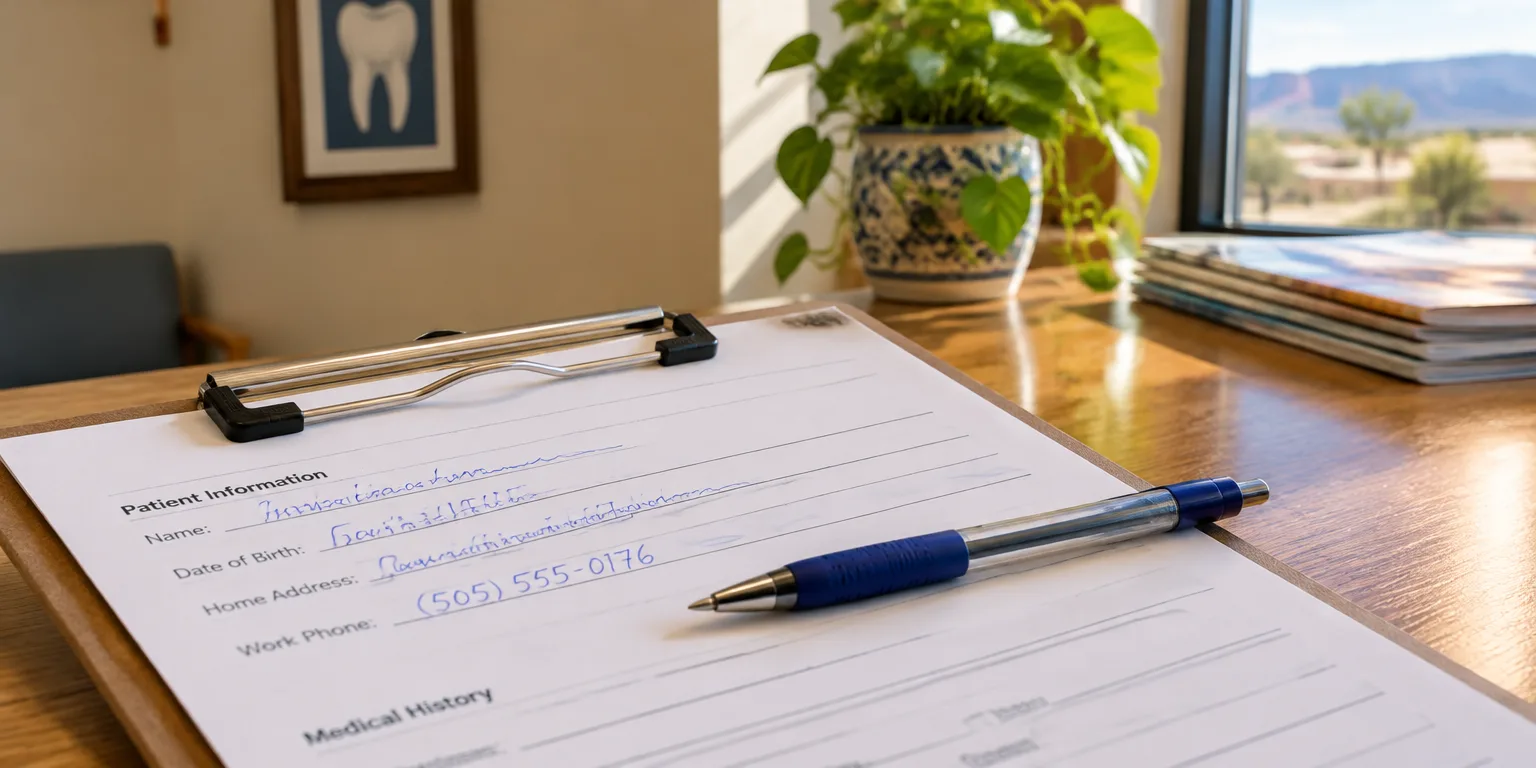
Laura's mother had a likely answer, Alexander said: probably the dental intake forms. “You put your work phone number. You put different things,” Alexander said, describing the everyday paperwork patients fill out without thinking.
That ordinary exchange looked different once investigators connected Smith to Laura's death. Pheasant hunters had found Laura naked beside a road, her jewelry removed and her body apparently washed or cleaned before it was left in the open.
Alexander said investigators found Smith had “some sort of very disturbing sexual attraction to dead bodies” that led him to kill her and display the body. He took an Alford plea, in which a defendant does not admit guilt but accepts that prosecutors have enough evidence to convict, and he remains in prison.
Alexander's point was that Smith did not look like a threat. He was a dentist, a church participant, a husband, and a father, and in a small town that standing let him appear unremarkable.
Loera, the investigator on the case, said his own sister had been Smith's patient, Alexander recalled. People trusted him with their teeth, their children, their addresses, their work numbers, and the access that comes with being a doctor.
Andrea Canning, who interviewed Alexander, said there are many wonderful dentists. Alexander added that every doctor's office still holds the kind of private information that someone who wants to be intrusive could misuse.
Smith himself has clung to the respectable image, Alexander said. In a 2008 deposition from prison, he complained of “blatant lies” about him, casting himself as the victim rather than confronting what investigators said he had done.
Questions people ask
What is an Alford plea?
An Alford plea lets a defendant plead guilty while still claiming innocence. The defendant agrees that the prosecution has enough evidence that a jury would likely convict, and the court treats it as a guilty plea for sentencing.
Doesn’t a privacy law stop a doctor from using my information that way?
HIPAA is a federal law that limits how doctors, dentists, hospitals, and insurers can share your medical information. It does not physically prevent someone inside an office from looking at a form they already have, which is why misuse still depends on trust and office safeguards.
Has Smith been tied to other victims?
No. Laura’s parents placed a newspaper ad asking other families to come forward, and one family contacted them because they saw similarities. Smith has not been charged with or officially linked to any other death.