Florida Man Accused Of Mailing Peanut Butter Card To Trigger Allergy
The woman recognized the substance, washed her hands, and later identified the suspect from kiosk footage.
 Last Podcast On The Left · Side Stories: Feel Better, Fiona
A Florida man faces an accusation that he sent a peanut-coated greeting card to a close friend of his former wife, knowing she could have a deadly reaction to peanuts. After touching the card, the woman developed hives on her arms and tingling that lingered for about six hours.
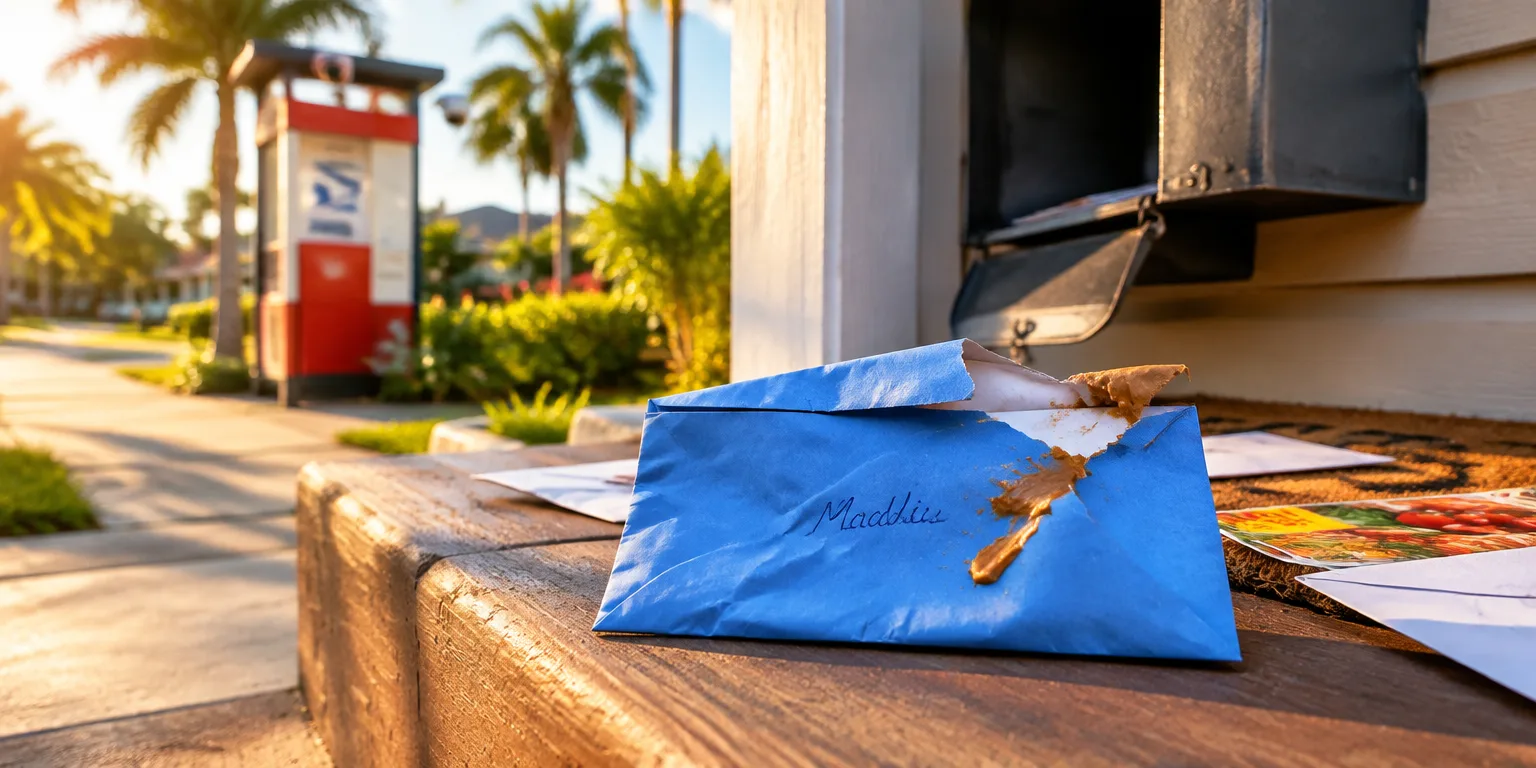
Arrest papers state the woman was picking up her mail when she noticed a greasy blue envelope with her name misspelled. Inside was a greeting card coated with a brown substance she immediately recognized as peanut butter, and she let go of the mail and hurried indoors to scrub her hands.
Investigators traced the postage to stamps bought with the suspect's credit card, and a kiosk camera captured his face during the purchase. The woman identified the man in the footage as her best friend's ex-husband.
The affidavit says the divorce had been highly contentious, and the man blamed his ex-wife's friend for it. He knew about her allergy from shared dinners over the years.
The man has been accused but not convicted, and the affidavit is the basis for the arrest case moving forward.
Questions people ask
Can touching peanut butter trigger a severe allergic reaction?
Yes. For highly sensitive people, skin contact with peanut can cause hives, swelling, and tingling, and any residue that reaches the mouth or eyes can be more dangerous. Prompt washing can reduce exposure, but people with severe allergies often still need antihistamines or epinephrine.
What charges can follow an attack that uses an allergen as a weapon?
Prosecutors sometimes charge such conduct as aggravated assault or battery, especially if the substance could cause serious bodily harm. Mailing a harmful item can also raise federal issues, depending on intent and injury. The exact charges depend on state law and the facts proved.
How do investigators trace who mailed a letter?
Postage kiosks often record the time, payment method, and video of the buyer. Investigators can match a stamp or tracking number to that transaction, then use card records and images to identify the purchaser. A victim or witness identification can further support the case.