A New Name Told Parents Which Kids the Software Was For
The software stayed the same, but a grade on the box told parents exactly what they were buying.
 mastersofscale.com · Masters of Scale: Lessons from launching 175 start-ups, with Bill Gross
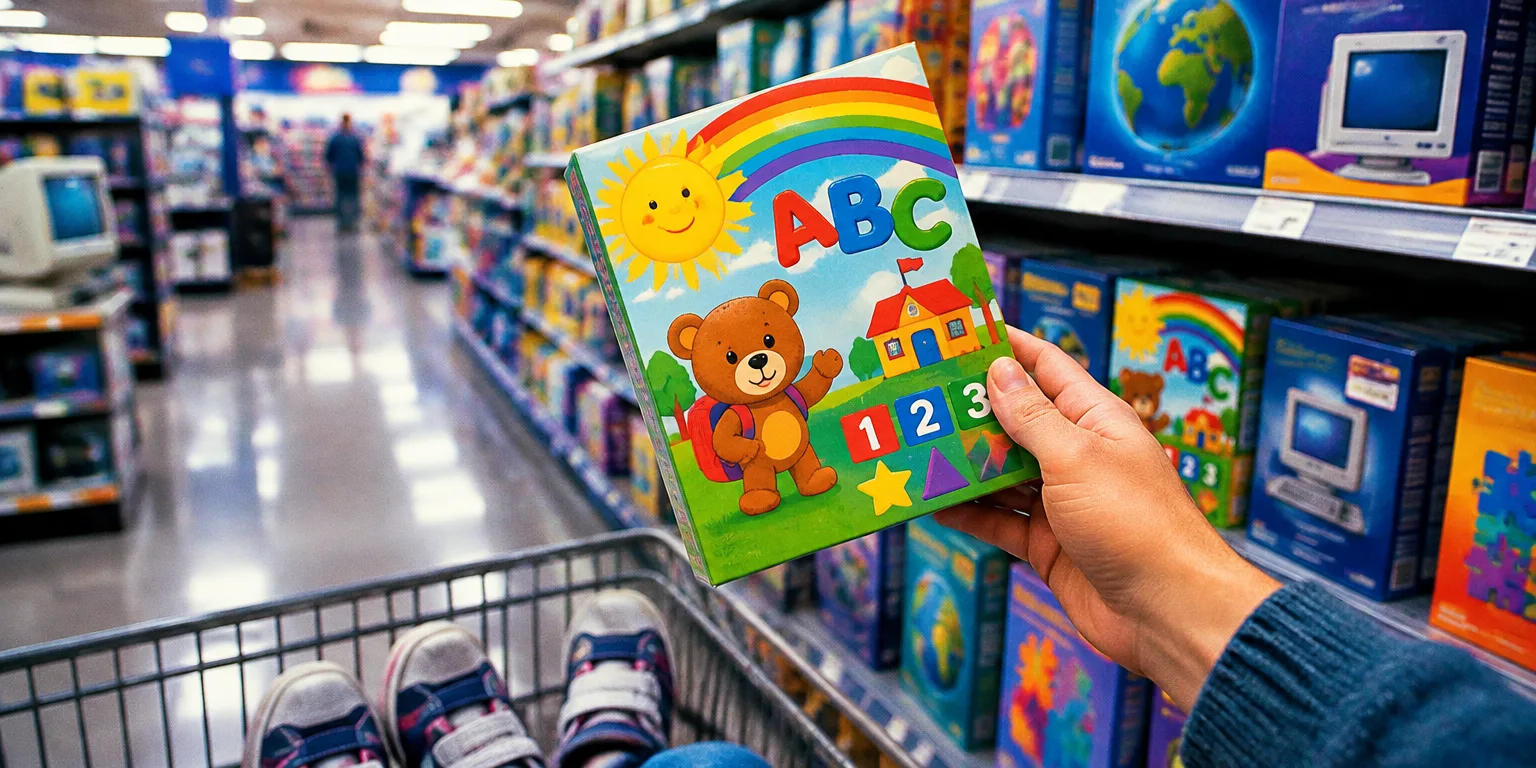
Bill Gross stood in a CompUSA in 1995 and watched a mother pick up his software box and put it back on the shelf. Her children sat in the cart beside her, exactly the children his program was made for.
Gross, the founder of Knowledge Adventure, had started the company to help children fall in love with learning. He said he sold Knowledge Adventure for $90 million in 1995.
He was competing against children's learning games such as Math Blaster and Reader Rabbit, drill-based games that focus on repetition. He found them boring, he said, but they were outselling him while his product was not selling.
Watching in the store, he concluded that his box did not explain why it would benefit the child who took it home. He had been explaining what he wanted to do, not the product's benefit to the child.
He said he took the exact same product and told a different story with the packaging. Gross said he called it “JumpStart Kindergarten: Give Your Kids a Head Start on Kindergarten.”
Gross said a parent with a young child about to start school would know the box was for them. He then made JumpStart First Grade and JumpStart Second Grade, keeping the same mission but changing how he told the story.
He said the name and packaging had to make sense and feel inevitable to buyers. Gross said the mother wanted to hear “Give my kids a head start.”
He said the clearer story completely changed the company. He said they figured it out in time, before running out of money.
Questions people ask
Why did putting kindergarten in the title matter so much?
It removed the guesswork. A parent shopping for a child about to start school could see the right age and the benefit, a head start on school, without reading the fine print. Gross said the name had to make sense and feel inevitable to buyers.
Did he change what was inside the box?
No, according to Gross. He said he took the exact same product and changed the packaging and story around it. He then made editions labeled for first grade and second grade.
What is the broader lesson for founders?
In Gross's account, he had been explaining what he wanted to do, while the mother wanted a head start for her child. He reached that conclusion by watching in stores as shoppers picked up his box and put it back. His takeaway was that the name and packaging have to make the value clear.