To Survive Congress, Give Short Answers and Don't Argue
A WilmerHale lawyer who prepares executives for Congress uses timed mock hearings, plain language and empathy first.
 Original Jurisdiction · The Coming Congressional Investigations Boom: Alyssa DaCunha
Alyssa DaCunha, a lawyer at WilmerHale who prepares executives to testify before Congress, tells chief executives they will not win by trying to dominate the room.
Her method is narrower. Stay respectful, stay brief, and show you heard the emotion behind the question. Arguing or talking over members, she says, never works.
First, figure out which kind of witness you are. Some executives know everything and must learn to translate it into plain language. Others, often chief executives, know little about the facts at issue and must be brought up to speed through briefing sessions.
Then rehearse under real conditions. DaCunha runs timed mock hearings, with lawyers playing particular lawmakers and trying to predict every question. Her team also plans testimony, press coverage, board briefings, and messages to employees who are about to watch their boss get criticized on television.
Expect to be interrupted. DaCunha says many chief executives think earnings calls or television interviews have prepared them, but a congressional hearing is different. Witnesses must remain deferential, and they should not expect to change lawmakers views in the room.
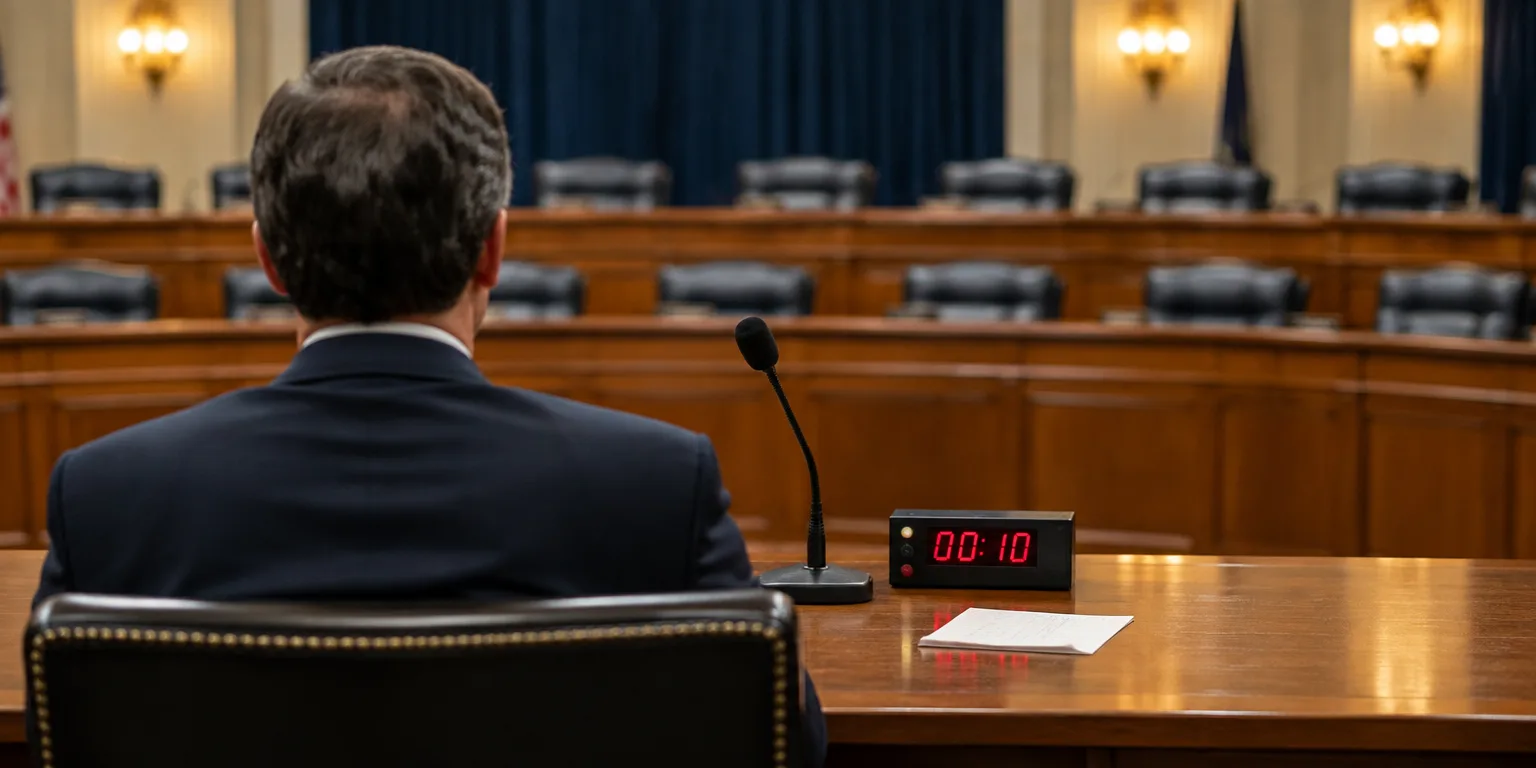
Keep answers extremely short. She aims for about 10 seconds to deliver the main point and no more than 30 seconds for an answer. That means compressing a complex issue while conveying values and answering the question behind the question.
When a question begins with a sad story, answer the emotion first. DaCunha says the wrong move is to start with technical safeguards when the questioner has just described "a parent who lost a child." Counsel must also prevent testimony from creating legal liability, as when the Norfolk Southern chief executive testified just weeks after the 2023 Ohio train crash, before all the facts were known.
Finally, aim to look like a boring Washingtonian, as DaCunha puts it. She says she has worked with more than one founder chief executive "who did not own a full suit," with clothes sent over the day before. For bankers, she says she sometimes takes expensive watches in the car, because the internet will later identify "what kind of watch it was."
Answering hard questions for six to eight hours is brutal, she says. The work starts with knowing whether you need to learn the facts or learn to explain them in seconds.
Questions people ask
Can a witness ask for a break during a long hearing?
Yes. As a general matter, witnesses can ask the chair for brief recesses to rest and confer with counsel. DaCunha does not discuss breaks in the interview; she emphasizes building stamina for six to eight hours of questioning.
Can Congress require an executive to testify?
Yes, as a general matter. Congress has broad power to compel testimony through subpoenas, with negotiations often covering timing, scope and documents.