A Quiet NDA Signing Became a Theranos Ambush
Theranos lawyers arrived early and waited inside, and only his grandfather’s defense stopped them from forcing him to name sources.
 Y Combinator · Inside Theranos with ex-Employee Tyler Shultz
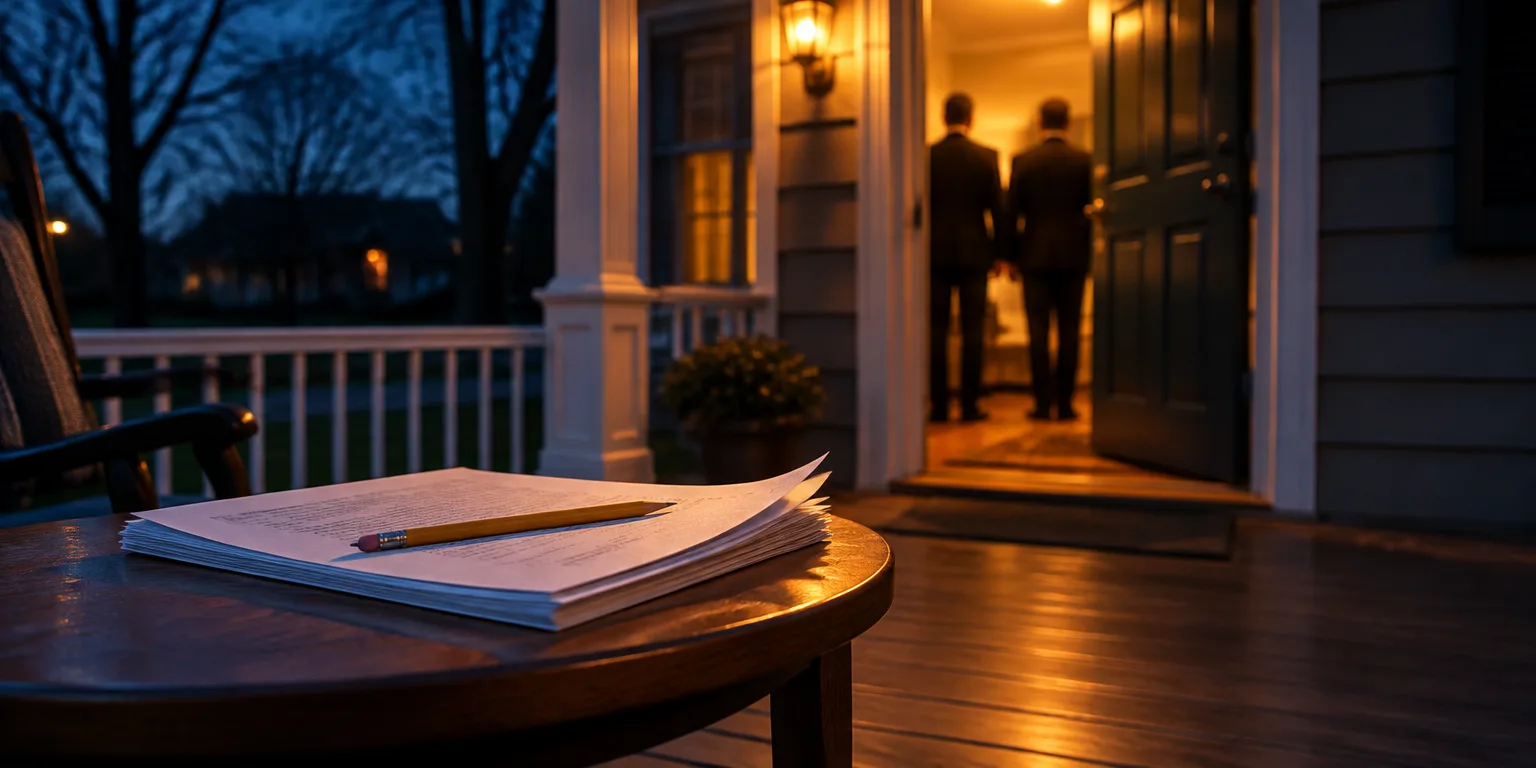
Tyler Shultz got to his grandparents’ house before they returned from dinner and waited outside in the dark. He was 24, months out of his job at the blood testing startup Theranos, and he thought he had come for a simple family favor.
His grandfather, George Shultz, a Theranos board member, had asked him to sign a new company secrecy pledge, a written promise not to share company secrets. Tyler said he was “happy to sign a one-page non-disclosure agreement that says I will not disclose trade secrets moving forward.” He had agreed on one condition, that they talk alone first, without lawyers, and George had said to come at nine.
What happened instead showed how far Theranos would go to silence a suspected source for Wall Street Journal reporter John Carreyrou. Instead of a one-page agreement, two company lawyers who had arrived before Tyler stepped forward with a temporary restraining order, a letter signed by attorney David Boies, and papers directing him to show up in court on Friday morning. It was Wednesday night.
Tyler had spoken with Carreyrou but, on a housemate’s advice to gather information first, he denied it. He felt confident lying because he had seen Carreyrou’s email to Theranos and knew the company’s claim, that the reporter was quoting whole sentences from Tyler’s own email to founder Elizabeth Holmes, was false.
The setup stunned him. No one had mentioned the lawyers, who may have overheard his private talk with his grandfather. In the brief moment George left the room to fetch them, Tyler’s step-grandmother leaned in and whispered that fellow board member Henry Kissinger thought the blood testing box did not exist.
The lawyers pressed Tyler to admit he was the source and to name other sources, saying it had taken them five minutes to identify him. Tyler refused. His grandfather interrupted, saying his grandson was not a rat and that finding leakers was the lawyers’ job, not his.
The pressure kept building. Tyler’s step-grandmother grew visibly upset, and George later said under oath that the lawyers acted like a wild animal assaulting his grandson. He said his wife looked ready to grab the fireplace poker.
Finally George stood up and ordered the lawyers out of his house. He then called Holmes and said she had sent a litigator instead of holding a discussion, and told her to send different lawyers the next day with the one-page agreement they had discussed.
The next morning the same two lawyers returned without it. They brought an affidavit, a sworn written statement, asking Tyler to deny talking to the Journal under penalty of perjury and to list others who had. When Tyler refused to sign without protection, George wrote in pencil at the bottom that Theranos would not sue Tyler, first for two years and then, after Tyler objected, forever. To Tyler’s shock, the lawyers agreed.
Questions people ask
What is a temporary restraining order?
A temporary restraining order is a short term court order that tells someone to stop doing something until a judge can hold a fuller hearing. Companies sometimes seek them to prevent disclosure of claimed secrets, but a judge still has to decide whether the order is justified.
What was the affidavit he was asked to sign?
An affidavit is a written statement signed under oath, and perjury is lying under oath, which can be prosecuted as a crime. That is why Shultz would not sign a statement denying he spoke to the Journal or listing other possible sources.
Did the pencil promise end the legal fight?
No. The legal fight continued for months and cost his family hundreds of thousands of dollars for lawyers. Theranos mostly stopped pursuing him only after the Journal published and federal regulators began investigating the company’s labs.