Theranos Promised Hundreds of Tests From a Drop of Blood, Shultz Says Only Seven Had Been Validated
Inside the lab, its device ran one test at a time while patient samples went to rival machines or moved forward after quality controls failed.
 Y Combinator · Inside Theranos with ex-Employee Tyler Shultz
The promise was hundreds of laboratory tests from a single finger prick, anywhere with electricity. What former employee Tyler Shultz says he found inside Theranos was a machine that could run only one test at a time.
He started full time the day after the Walgreens launch in Palo Alto. The ribbon had been cut on a Monday, he says, and on Tuesday morning the manager in charge of proving tests were safe for patients left. Shultz says he does not know the whole story, but a colleague told him she had a screaming match with Theranos founder and CEO Elizabeth Holmes and Theranos president Sunny Balwani and was fired, and was crying in the parking lot.
His manager told the team, as Shultz recounts it, that zero tests had yet been validated on the company's own device. Validation, in his account, means proving through testing that a blood test is accurate enough to use on patients.
Patients who walked into Walgreens did not get the promised finger prick, he says. They got a standard needle draw in the arm, the way large labs collect blood. Those samples were then sent elsewhere or run at Theranos on machines bought from Siemens and Roche, two established medical equipment makers.
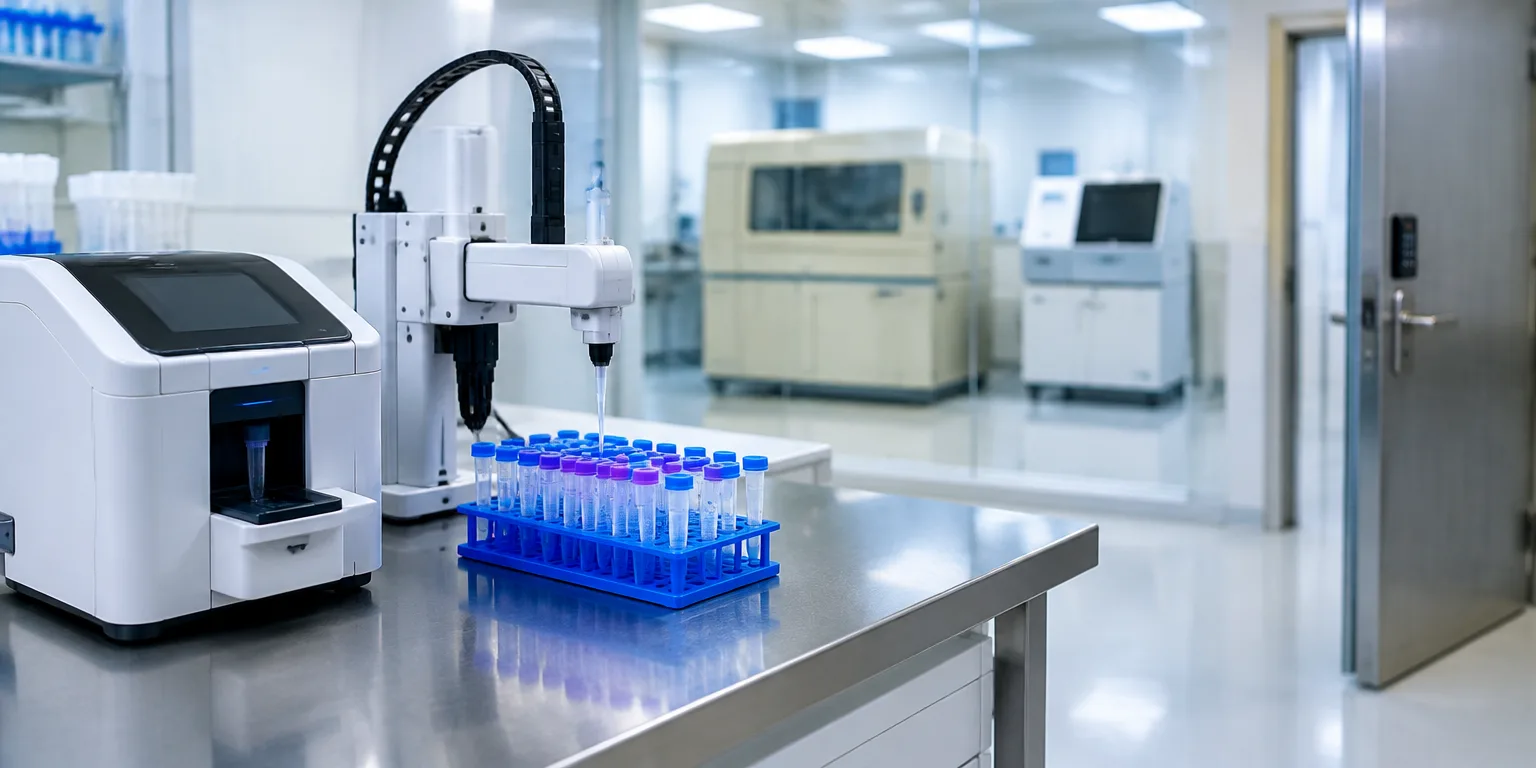
The company's own device, housed in a lab staff called Normandy, was far more limited. It needed a separate pipetting robot to move liquids, and Shultz says putting it in a medevac helicopter would also mean putting that robot there, which he called totally impractical. By the time he left, he says only seven tests had been validated on it, starting with a common diabetes marker he describes as notoriously easy.
Outsiders rarely saw that gap, he says. When inspectors came to certify the lab, the Normandy door stayed locked and they were shown a different lab filled with Siemens and Roche machines. In a review by New York health officials, Shultz says the company ran samples on both its own device and outside machines but reported only the outside results, although at times the gap was more than 300 percent.
The clearest breakdown came with syphilis, a sexually transmitted infection that can disappear and then return years later to cause severe harm. In testing, the Theranos test correctly found only about 65 percent of known positive samples. After that data was discarded and the test was repeated, it found 80 percent, while more than 20 percent of samples assumed to be negative, taken from Shultz and colleagues, wrongly tested positive.
A company doctor still signed off on the test for use with patients, Shultz says. He also says that when quality controls failed, meaning control samples that tell a lab its machines are working properly, Balwani pressured staff to run patient samples anyway and charge patients.
Questions people ask
What does it mean to validate a blood test?
Validation means proving a test gives the right answer on known samples before it is used on patients. Labs test samples that are known to be positive or negative, then measure how often the new test agrees.
What are quality controls in a lab?
They are samples with known results that are run alongside patient samples. If the control comes back wrong, the machine or chemicals may be off, and patient results from that run cannot be trusted.
Why do both misses and false alarms matter for a test like syphilis?
They describe two kinds of accuracy. Sensitivity is the share of truly sick patients a test catches, while specificity is the share of healthy people it correctly clears. A test that misses many infections and also falsely accuses healthy people is not clinically useful.