Fear Kept Theranos Employees From Exposing What They Knew
Tyler Shultz says almost everyone who touched the blood device knew the truth, but firings and personal risk kept them quiet.
 Y Combinator · Inside Theranos with ex-Employee Tyler Shultz
Former Theranos employee Tyler Shultz learned the pattern when he started checking his own doubts with people he trusted inside the company.
He worked in a research lab that engineered antibodies for blood tests, far from the device itself, and Shultz says he began asking colleagues and managers, "am I the crazy one here?" Every one of them told him the technology did not work and would not work.
Quite simply, Shultz says, "everybody is seeing it and they're just too afraid to say anything about it." He adds, "it still to me feels like the twilight zone."
Shultz argues that silence was not an accident. He says Theranos spent more than a decade building a culture of fear, in which anyone who questioned Elizabeth Holmes, the startup's founder, could be fired and sometimes sued.
Companywide emails about lawsuits sent the message, as he reads it, that challenging the company could destroy your life. After watching that cycle repeat, he says, people stopped speaking up.
By the time he arrived, Shultz believes, nearly everyone who worked directly with the device knew it could not run 300 tests from a single drop of blood or deliver accurate results. Instead of objecting, many quit.
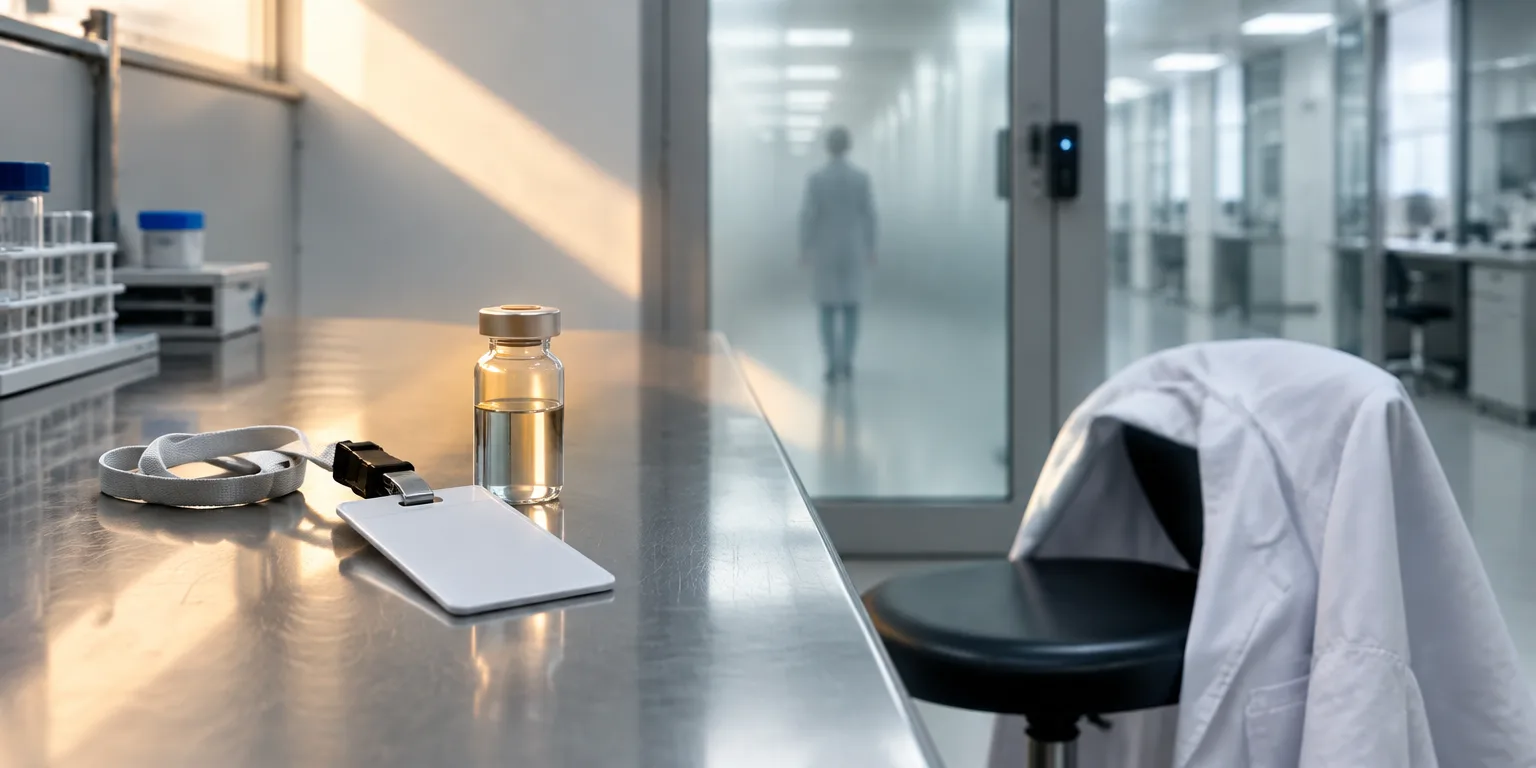
Shultz says one close coworker "bought a house in another state," worked a full Friday, "left his badge on his desk," and was gone by Monday without giving notice.
The reasons others stayed, Shultz says, were ordinary and binding. Theranos gave stock options to almost no one, so loyalty to a payout was rarely the issue. People had mortgages, spouses, children, student debt, and work visas tied to the job.
The isolation made dissent harder. Shultz says teams worked behind locked doors and under broad secrecy agreements, supposedly to protect trade secrets, and were barred from discussing work even with each other. Some veterans of three to five years, he says, had never seen the product.
Shultz also rejects the idea that Theranos posed a hard moral puzzle. He says ethics means weighing competing values, and this was plain right versus wrong that fear kept people from acting on.
Questions people ask
What was Theranos claiming its device could do?
Shultz says the company pitched 300 tests from a single drop of blood. He says people who worked with the device knew it could not do that and was not producing accurate results.
What happened after Shultz decided to speak up?
Shultz says Theranos lawyers pressed him to name other sources and to sign statements retracting what he told the Journal. He says he hired several lawyers, that the fight cost around $400,000 to $500,000, and that private investigators followed him in public to scare him. He says this pressure came before the Journal published its first story.
What does Shultz recommend for employees who see serious misconduct?
He advises learning about formal whistleblower channels, including the Securities and Exchange Commission and federal false-claims procedures, and consulting a lawyer early. A lawyer can explain confidentiality protections and whether a disclosure may qualify for a financial award.