A Simple Salt Swap Cut Strokes and Deaths in a Large Trial
A blend of regular salt and potassium chloride tastes about the same but changes how the body handles sodium.
 HEALTH TALK AMERICA · The Salt Swap, the E-Bike Epidemic, and the Mystery at Mile 24
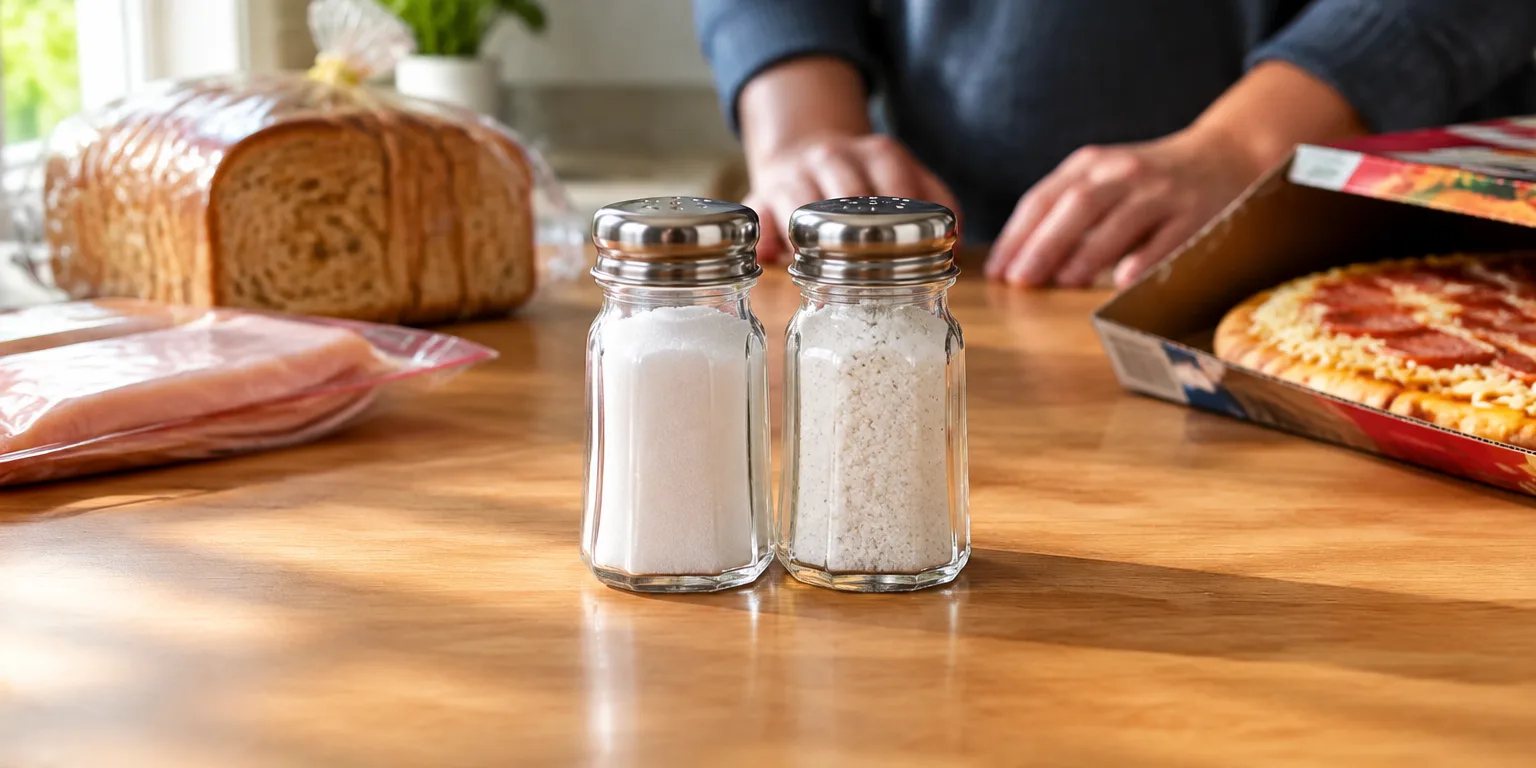
The salt looks the same and tastes much the same, but part of its sodium chloride has been replaced with potassium chloride, often about one quarter.
That double change is the point. Less sodium means less upward pressure on blood pressure, while added potassium helps the kidneys pass sodium in urine and helps blood vessel walls relax.
The balance matters because high blood pressure affects roughly half of American adults, often with no symptoms, and raises the risk of stroke, heart attack, and kidney disease. Across the country, sodium intake tends to run high while potassium intake runs low.
The strongest human evidence was reported in the New England Journal of Medicine, based on a large experiment in which households were assigned at random. About 21,000 people took part, many already living with elevated blood pressure or a prior stroke, and households used either regular salt or the blend for about five years.
The group using the substitute had 10 to 15 percent fewer strokes, major cardiovascular events, and deaths.
That result underlies a global projection from the George Institute for Global Health, published in Nature Health. It estimated that a worldwide switch could prevent nearly 3 million cardiovascular and kidney deaths each year, about one in 10 cardiovascular deaths. The figure is a model, not a count from a trial that followed people.
The caution centers on potassium buildup. Healthy kidneys clear extra potassium, but severely impaired kidneys may not, and high blood potassium can disturb heart rhythm. Extra potassium can also be a concern for people taking certain blood pressure medicines.
Products differ. Some versions marketed as light salt contain roughly equal shares of the sodium and potassium salts, while other substitutes use only the potassium kind. Blends are generally described as closer in taste to regular salt, while pure potassium chloride can taste bitter or metallic.
The shaker is also only part of sodium intake. More than 70 percent of sodium in the United States is estimated to come from restaurant and packaged foods such as bread, deli meat, soup, sauces, frozen meals, and pizza snacks. In the trial context, the substitute added benefit alongside usual care, not as a replacement for it.
Questions people ask
Does potassium-enriched salt taste different?
Blends with about three quarters sodium chloride and one quarter potassium chloride are generally described as close to regular salt in appearance and taste. Pure potassium chloride is more likely to taste bitter or metallic. That difference is one reason blends are commonly described as milder.
Why is extra potassium risky for some people?
The kidneys normally remove excess potassium. When kidney disease is chronic or advanced, that clearing can fail and potassium can build up in the blood. High levels can disturb heart rhythm, which is why people with serious kidney disease and people taking medicines that raise potassium are described as needing clinician guidance.
Can light salt replace blood pressure medicine?
The large trial found benefit on top of usual care in high-risk people, not instead of it. Descriptions of the swap present it as a partner to blood pressure care. Medication decisions are described as matters handled with clinicians, with blood pressure tracked over time.