When Sore Muscles Become a Medical Emergency
Doctors said likely rhabdomyolysis spilled muscle contents into the blood, straining the kidneys and disturbing the heart.
 HEALTH TALK AMERICA · The Salt Swap, the E-Bike Epidemic, and the Mystery at Mile 24
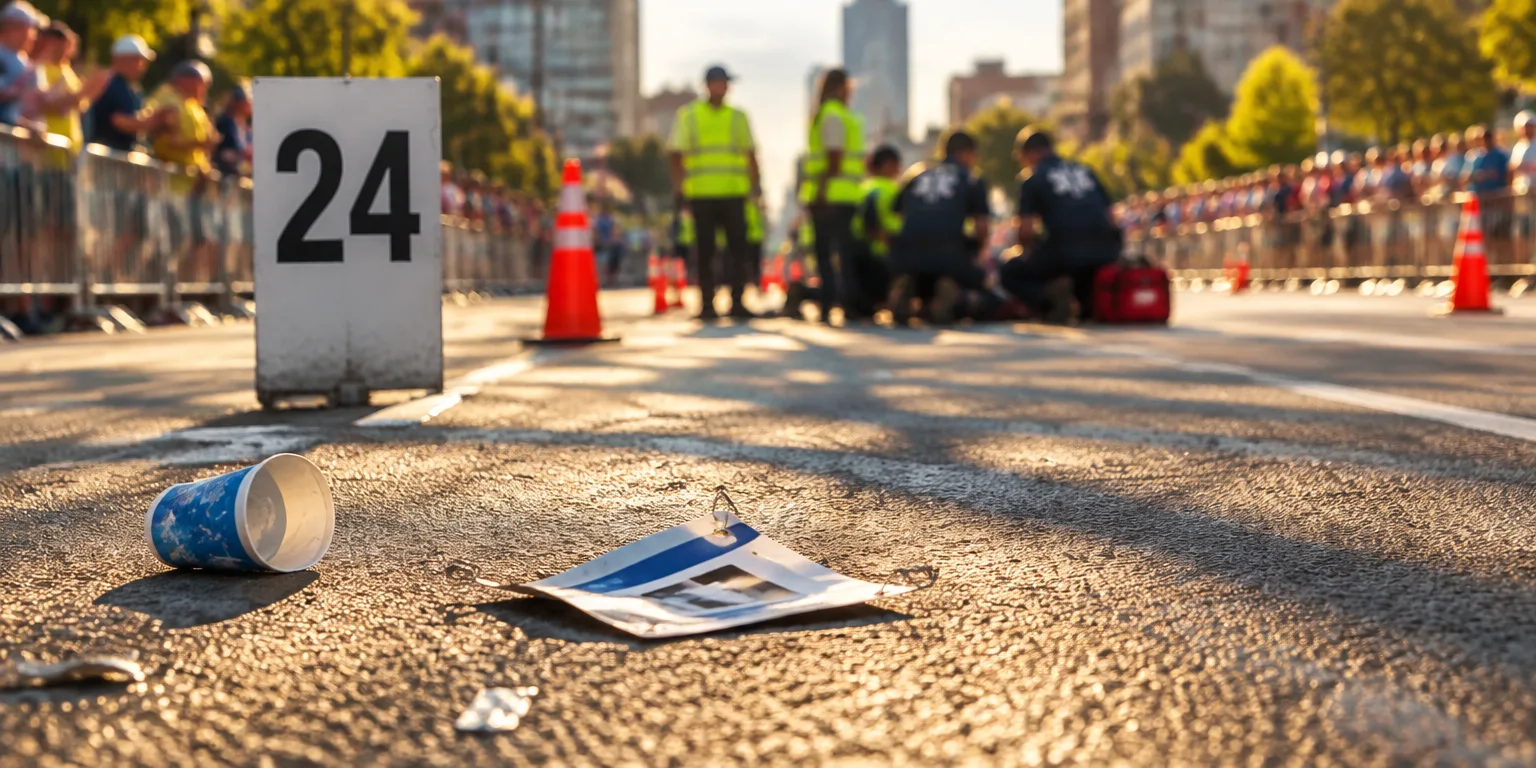
Near mile 24 in New York's marathon, a 24-year-old runner told someone nearby that she was in pain.
She collapsed near mile 24. Bystanders and medics rushed in, performed CPR, and she died after reaching a hospital.
Her father and physicians who spoke about the case identified the likely cause as rhabdomyolysis, the rapid breakdown of skeletal muscle. When badly damaged muscle cells spill a protein called myoglobin, potassium, and enzymes into the blood, the kidneys can be overwhelmed, and shifts in potassium can disturb the heart rhythm, rarely causing death.
Ordinary soreness, known as delayed onset muscle soreness, usually develops slowly across a couple of days, feels achy and tender, and gradually improves. Doctors described the emergency as different: severe pain that seemed far stronger than the effort warranted, along with pronounced swelling or stiffness, unusual weakness, and brownish urine resembling strong tea.
Upset stomach and vomiting, exhaustion, mental fog, and a fast pulse were also reported as possible signs, appearing during exercise or within a couple of days afterward. Physicians quoted in coverage of the case said those signs, especially very dark urine, were reasons to stop exercising and seek medical care.
Clinical experience pointed to higher risk on warm and humid race days, with dehydration and a sharp jump in training load. Certain cholesterol drugs, stimulants, alcohol, and a recent viral illness were also cited as factors, along with a prior episode of severe exercise pain with dark urine.
Physicians who discussed the case said marathon deaths are rare and can involve the heart, whose warning signs can resemble exhaustion. They described chest pain or pressure, fainting, a wildly irregular heartbeat, and sudden unusual breathlessness as signals for immediate medical help, and said details of the runner's final miles may never be fully known.
Questions people ask
How do doctors test for and treat this condition?
Doctors check blood levels of creatine kinase, an enzyme released by damaged muscle, along with kidney function and electrolytes, plus urine tests. Treatment centers on aggressive intravenous fluids and careful monitoring, and most people recover when care begins early.
Does this only happen to marathon runners?
No. It has been reported after crush injuries, long immobility after a fall, heat illness, infections, alcohol or drug use, and some medications. Intense, unfamiliar workouts have also produced cases among military recruits and first-time spin or boot camp participants.
Will drinking extra water prevent it?
Fluids alone cannot reverse severe muscle breakdown. Very large amounts of plain water can dilute blood sodium and cause a dangerous condition called hyponatremia, and reports linked risk to heat, humidity, dehydration, and overexertion.