Treat Your Child’s E-Bike Like a Motorcycle, Not a Toy
Emergency visits are climbing fast, but the right helmet, the right bike, and a few house rules lower the risk.
 HEALTH TALK AMERICA · The Salt Swap, the E-Bike Epidemic, and the Mystery at Mile 24
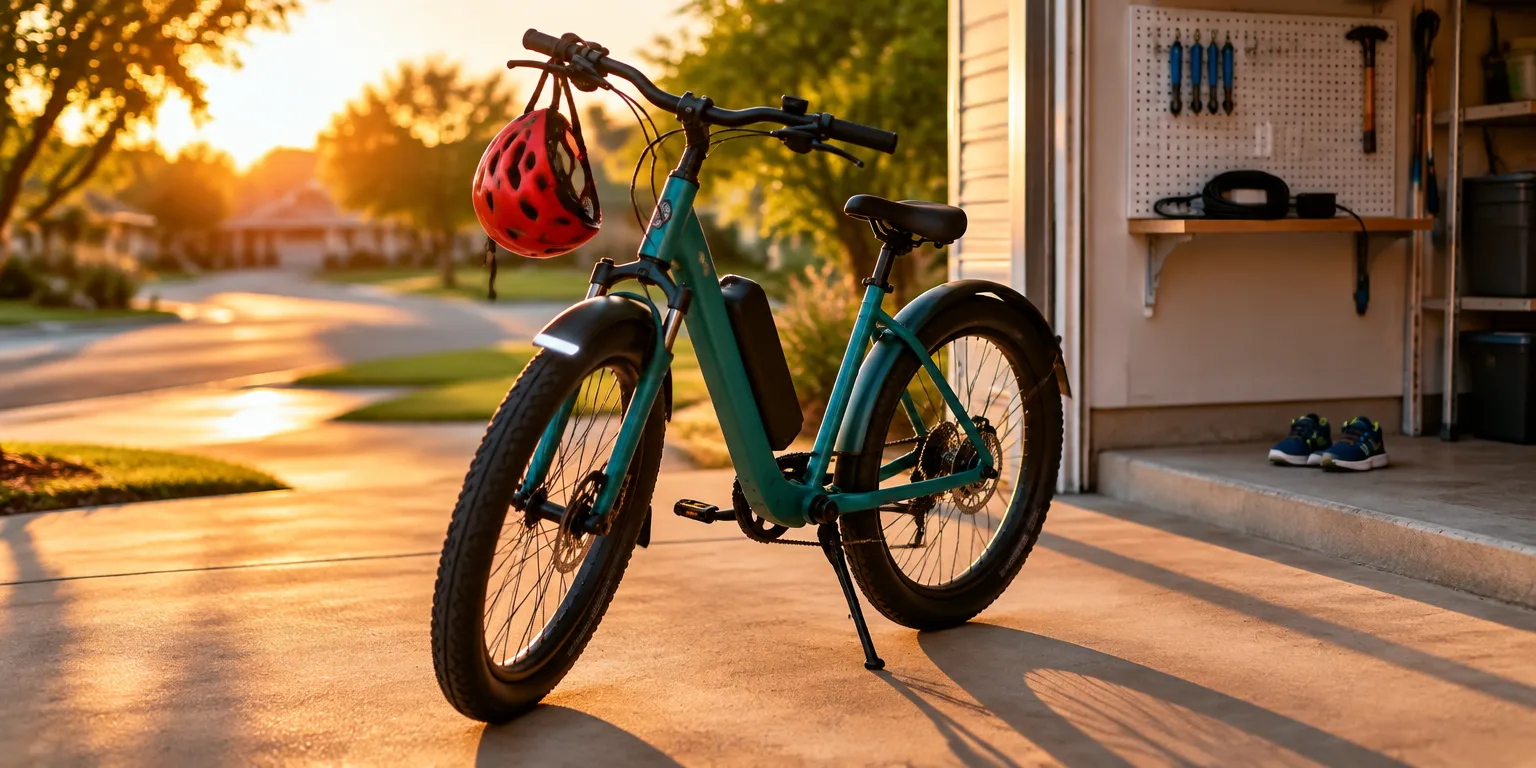
Dr. Adam Brockman, a physician, loves e-bikes. His family rides them together and has had spills, including himself. His point is plain: e-bikes are heavy, fast vehicles, so families should set rules more like they would for a motorcycle than a toy bicycle.
It starts with weight plus speed. Many models weigh 50 pounds or more and can top 20 mph, much quicker than a child pedaling alone. That heft and pace make pavement falls hit harder, with studies linking them to more serious harm, including broken bones and wounds to the face and head.
In a Stanford review covering over 13,000 kids and teenagers seen in American children's hospitals for crashes involving powered bikes and scooters, e-bike injuries rose about 33% per quarter from early 2023 to early 2026.
In a separate Truveta review of more than 12,000 emergency visits for electric bike and scooter injuries combined among kids and teens, the rate rose about seven and a half times from 2023 to mid-2026, with more than a third involving the head or neck and nearly 7% involving traumatic brain injury.
First, require a helmet every ride, every time. It should fit snug and level on the forehead, with straps adjusted so only a finger or two fits under the chin. A helmet tipped back leaves the forehead exposed, and for higher speed riding, look for a helmet made for higher speeds.
Next, pair the ride to the rider. Brockman says: "A younger child, say 12, probably shouldn't be on a motorized bike or scooter at all." Look up age and speed limits where you live, and keep the motor on its gentlest useful mode.
Third, practice before traffic. Teach stopping at signs, using turn signals, watching for opening car doors, and riding without phones and earbuds. Rehearse in a safe place, away from cars.
Fourth, be visible and stay solo. Use front and rear lights plus reflective clothing, and make no riding after dark a house rule. Allow no passengers and no stunts, since two kids on one bike is a fast path to the emergency room.
Finally, charge the battery safely. Stick with the maker-supplied power cord, skip overnight charging in a bedroom, and stay nearby while it powers up. Faulty or harmed batteries can ignite at home. As Brockman puts it: "Would you hand your 12-year-old the keys to a small motorcycle?" If not, he says, set e-bike rules to match.
Questions people ask
What kind of helmet should I buy for e-bike riding?
Look for a certified bicycle helmet that fits snugly, sits level, and stays put when the child shakes their head. For e-bike speeds, some helmets are tested for higher speed impacts, often sold as e-bike or speed-pedelec helmets, and a bike shop can help with fit.
How do I know which e-bike class is legal for my child?
Many places use a three-class system based on top assisted speed and whether there is a throttle, and some limit faster classes to older riders. Check your state, county, and city rules, since they vary and enforcement is uneven.
How should I store and care for an e-bike battery?
Store batteries at room temperature, away from heat and damage, and inspect them for swelling, heat, or strange smells. Stop using a damaged battery, follow the maker’s guide, and recycle it through a proper battery program rather than the trash.