A Smart Display Cannot Turn On A Lamp Without The Internet
A tap travels across the room, while a voice command has to travel to distant servers and back.
 Foxy's Lab · I wanted Apple HomeView to run my smart home. It can't
Pull the internet connection, then ask a smart-home display to turn on the floor lamp beside it, and nothing happens.
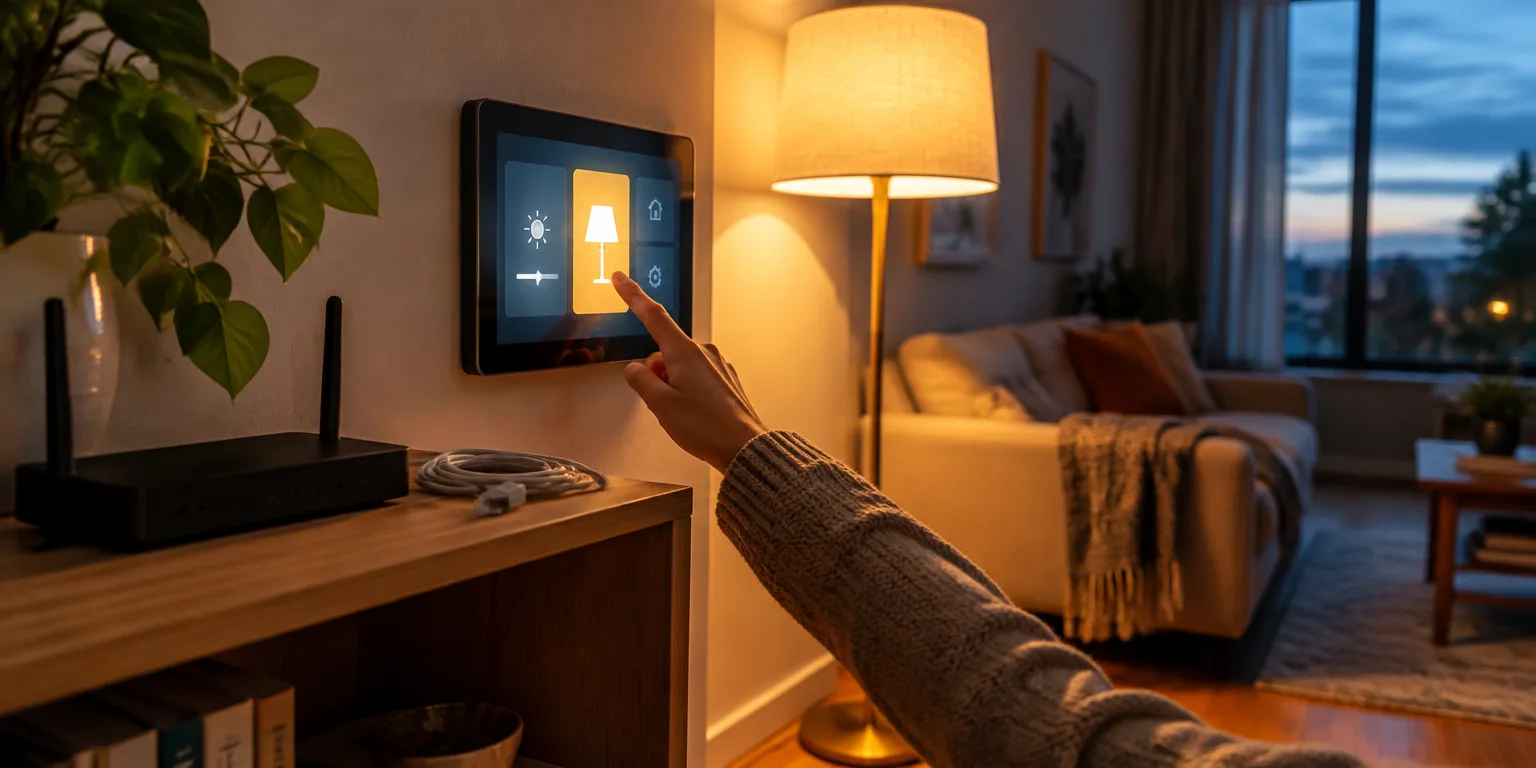
In a recent test, the Apple display answered, "I'm having trouble with the connection. Please try again later." When the tester tapped the lamp control on the same touchscreen, the lamp turned on.
The difference is the path the instruction takes. A tap is a simple command that travels directly between the display and the lamp. A spoken sentence has to be understood first.
For most voice assistants, including Apple's Siri, that understanding happens far away. The recording is sent over the internet to company servers, decoded into a command, and sent back to the device.
That is why the display could still tell the time at 13:58 without internet, but could not answer a transit question or run the lamp by voice. Telling time needs only its internal clock, while understanding speech and looking up train routes need outside help.
To the tester who ran the trial, that lamp failure should not be necessary. He argues the display is powerful enough to run Apple's intelligence system locally, and points to the fact that the same disconnected device could still reach the lamp from its touchscreen.
Until more speech processing moves inside the home, a smart display may remain two machines in one for now: a remote control that works across the room, and a voice that stops working when the internet does.
Questions people ask
Why does the touchscreen still work without internet?
Yes. The button on the screen sends a short digital instruction over your home network directly to the lamp or plug. It does not need to understand language, look anything up, or leave the house, so it keeps working as long as power and the local connection are intact.
Do all smart speakers need the internet for voice commands?
Mostly, yes. Amazon Alexa, Google Assistant, and Siri normally send voice clips to the cloud to turn speech into text and decide what to do. Some devices now handle a few basic phrases, like stop, or controls for devices using local standards, without the cloud, but full voice control still usually needs it.
Will offline voice control get better?
It is slowly improving. Newer chips can recognize more speech on the device itself, and home automation standards are designed to run locally for speed and reliability. The challenge is fitting the large language models that understand natural speech into a small, private, low power device.