A Snowless Winter Nearly Bankrupted a Teenager, Then Made Him Millions
He settled $200,000 in debts for $35,000, then bought another bankrupt ski store's $200,000 in inventory for $13,000 and repaid the loan in three weeks.
 David Senra · What It Means to Be a “Real” Entrepreneur | Michael Rubin, Fanatics
At 16, Michael Rubin owned a ski shop, half a Porsche he could not yet legally drive, and was believing all the articles and news pieces about the teenage whiz entrepreneur. Then winter came without snow.
Rubin, who now leads Fanatics, the sports merchandise company, had started tuning skis in his parents' basement at 12, opened a real shop there at 13, and moved to a shopping center store by 14. For three years, business was great. At 16, he said, he thought he was rocking.
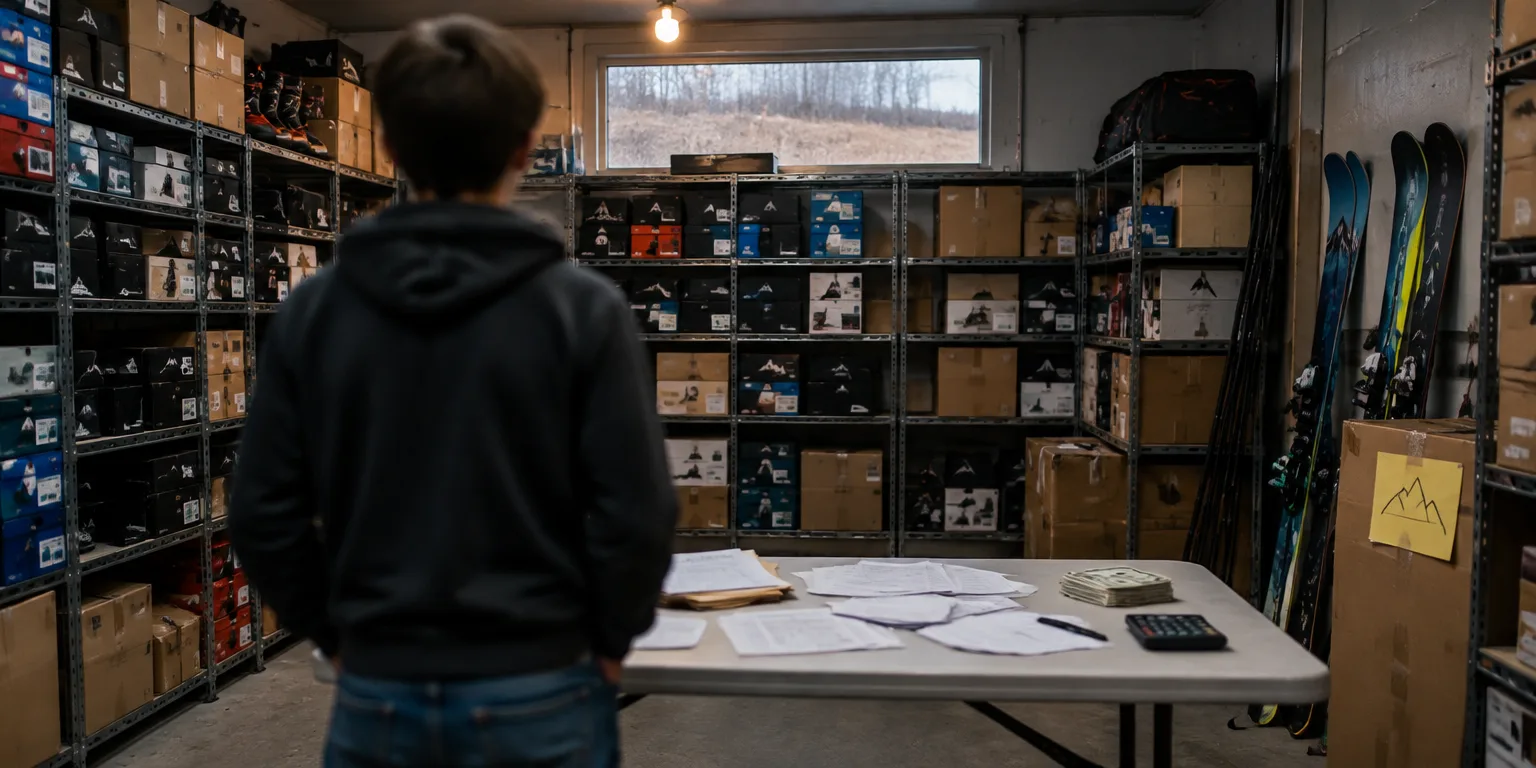
That confidence proved expensive. He was spending money like he was really successful, he later said, except that he was not. When the snowless season ended, he had $200,000 in bills and $80,000 in inventory.
The wipeout left him facing bankruptcy. Five years later, at 21, he was doing $150 million a year in sales.
Facing bankruptcy, he hired a bankruptcy lawyer and caught a break. Because he was under 18, he could not legally incur debt, and he settled what he owed for $35,000.
Then another ski store went bankrupt, and its $200,000 in inventory went to auction. Rubin went neighbor to neighbor borrowing money until he found someone to lend him $13,000 at $1,000 a week in interest, terms he thought were a great deal.
He bought the inventory and moved it fast. Within three weeks, he repaid the loan, principal and interest, in full.
That deal got him into the closeout business. He said he was probably putting money back into inventory as he kept scaling.
By 21, he was, as Rubin put it, "the biggest buyer and seller of closeouts," with $150 million in annual sales and making $10 million to $15 million a year.
He had gone from staring bankruptcy in the eyes and feeling like a complete failure to learning his central lesson, in Rubin's words, "each disaster, if you learn from it, leads to your next success."
Questions people ask
What is a closeout business?
A closeout business buys leftover, bankrupt, or discontinued merchandise for pennies on the dollar and resells it quickly at a discount. The profit comes from the low purchase price and fast turnover, not from high markups.
Why did Rubin think $1,000 a week in interest was a great deal?
On paper it was extremely expensive, equal to more than 400% annual interest. For Rubin it worked because he expected to sell the $200,000 in inventory so quickly that one or two weekly payments would be a small cost of unlocking a large profit, which is what happened.
What happened to that business after he turned 21?
He expanded beyond skis into closeout athletic footwear and apparel. That operation grew into GSI Commerce, an e-commerce services company that eBay bought for $2.4 billion in 2011, giving Rubin the capital and platform for Fanatics.