Fertilizer Security Needs Big Mines and Small Local Plants
Nitrogen is made with energy, while potash must be mined, so each needs its own kind of factory.
 fortune.com · Brazil’s fertilizer gap is a global food risk | Fortune
Fertilizer looks like one product, but it depends on two different inputs: geology for potash and phosphate, and energy for nitrogen, writes Lorenzo Rosa, author of the analysis of Brazil's fertilizer gap.
That is why building resilience at home takes two different kinds of plants.
Potash and phosphate must be mined from rock deposits, so production has to go where those deposits exist.
Brazil, for example, holds large, mostly undeveloped potash reserves in Amazonas state. The research was funded by Brazil Potash, a company working on one of those Amazonas deposits. Petrobras, Brazil's state energy company, has indicated it may bring two mothballed ammonia and urea factories back online and add two more.
Large facilities like those demand long timelines and heavy investment. When operating, they turn out huge volumes at a cheap price per ton that smaller sites cannot match.
Nitrogen is different. It depends mainly on available energy, so it can be produced in giant factories and in much smaller ones.
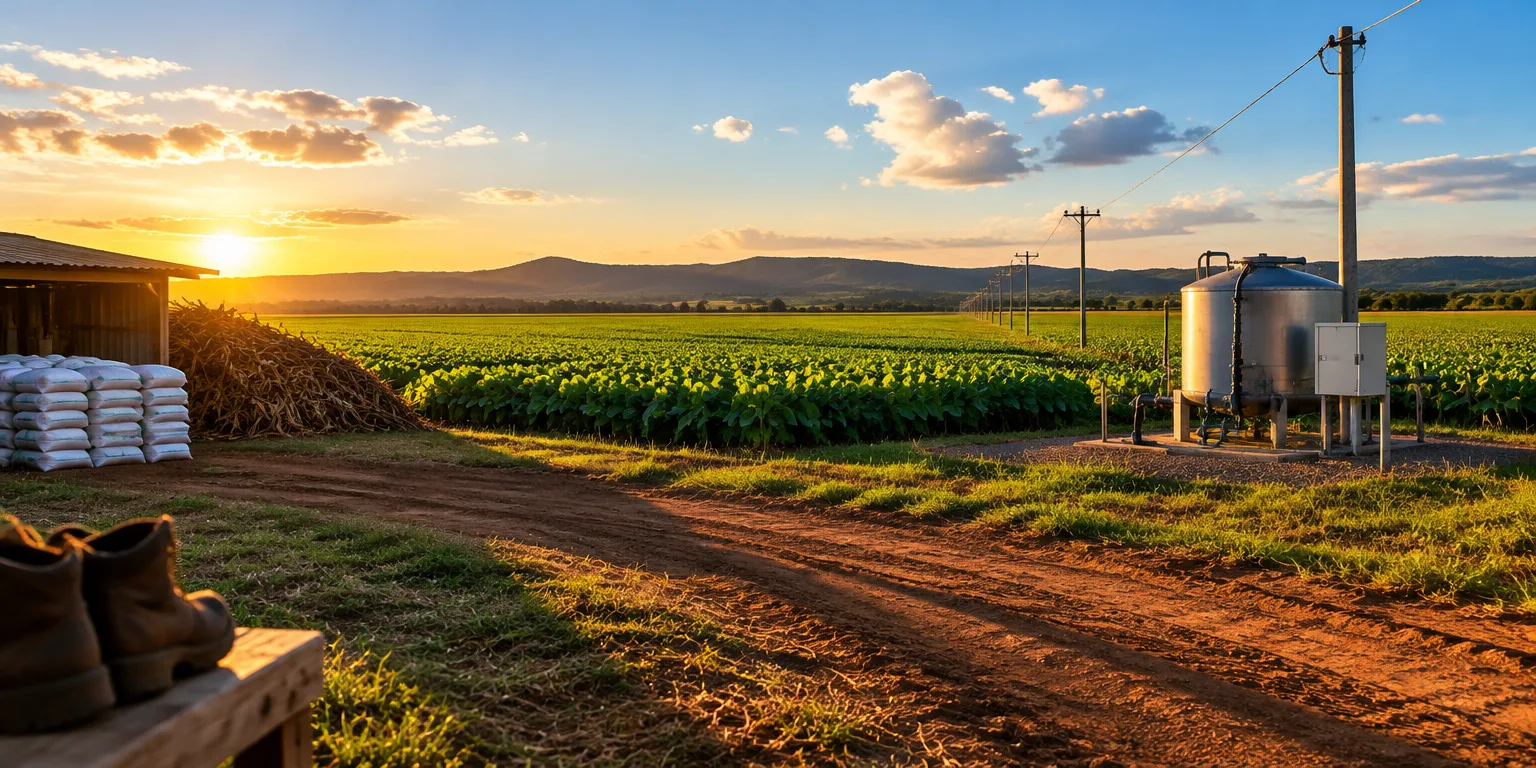
The smaller option uses compact systems, mainly to make nitrogen, powered by clean electricity or farm leftovers and placed close to the fields they supply. They go up more quickly and can be added one by one, so risk is shared across many locations and the distance from import terminal to field shrinks.
The same nearby-supply idea works for potassium, the nutrient in potash. Collecting it from animal manure, leftover stalks, and scraps from food plants can build a local source to sit beside mined potash.
Rosa argues Brazil does not need to pick one path, especially with its plentiful hydropower to run cleaner nitrogen production. The policy tools exist, and progress now depends on joint direction from government officials, companies, and financiers to turn plans into operating projects.
Questions people ask
What do nitrogen, phosphate, and potash actually do for crops?
Plants need three main nutrients. Nitrogen drives leafy growth, phosphorus builds roots and seeds, and potassium, supplied by potash, helps with water use and disease resistance. Farmers usually reapply them every season because harvests carry them away in the crop.
Why is nitrogen fertilizer called an energy problem?
Most nitrogen fertilizer starts by combining nitrogen from air with hydrogen, usually from natural gas, to make ammonia, which can then be turned into urea. The process uses high heat and pressure, so energy is the main cost. That is why natural gas prices and electricity supplies show up quickly in fertilizer prices.
How can waste become a source of potassium?
Manure, crop stalks, and food-plant leftovers still contain potassium and other nutrients the animals or plants did not use. Recovery systems collect, process, and concentrate those leftovers into a form that can go back on fields. It rarely replaces a mine, but it can supply nearby farms and cut waste.