An Energy Shock Can Become A Food Shock Through Fertilizer
Nitrogen is made from natural gas, and potassium has no substitute, so farmers who cut back grow less.
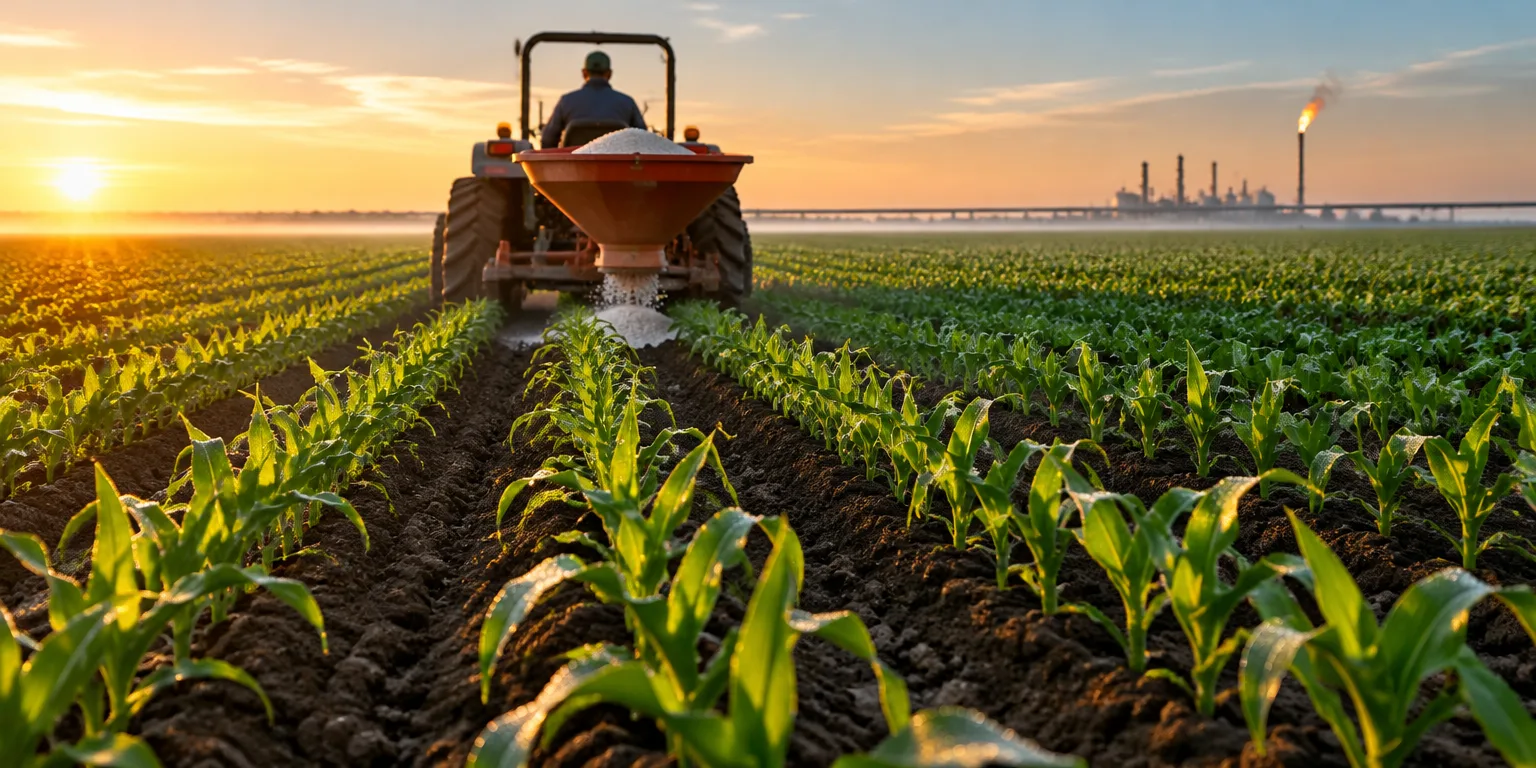
 fortune.com · Brazil’s fertilizer gap is a global food risk | Fortune
When gas prices spike half a world away, the effects can reach farms and dinner tables. The bridge between them is fertilizer, the mined and manufactured nutrients farmers add to fields to grow bigger harvests.
Start with nitrogen. Most nitrogen fertilizer is made from natural gas, which provides both the energy and the raw material for production. That chemistry means a fuel crunch can quickly become trouble for farms.
Then there is potassium, sold to farmers as potash. Most global output comes from only four producers: Canada, Russia, Belarus and China. Crops have no substitute for potassium.
That concentration leaves little room to shop elsewhere when markets surge, trade is restricted, or sea routes shut. The higher cost lands directly on farms, and growers who are priced out or unable to get supplies spread less.
Smaller doses mean smaller harvests. When farmers apply less, yields tend to fall.
In a major exporter such as Brazil, which ships more food abroad net than any other nation, the loss does not stop at the farm gate. It travels with soy, corn, and meat to every country that buys them, turning a fertilizer shortage into a wider danger for food supplies around the world.
When a shock hits, troubles with energy can run through fertilizer to food, because energy, fertilizer, and food are linked in one chain. The price surge after Russia's invasion of Ukraine and recent shipping trouble involving the Strait of Hormuz showed how fast that connection can tighten, and moved fertilizer onto government and development bank agendas.
Questions people ask
How does natural gas actually become nitrogen fertilizer?
Most nitrogen fertilizer starts with ammonia, made by combining nitrogen from the air with hydrogen from natural gas under high heat and pressure. That process, called Haber-Bosch, uses large amounts of gas as both fuel and feedstock, so gas prices largely set nitrogen prices.
Why is there no substitute for potassium?
Plants take up potassium as a positively charged particle that controls water movement, enzyme activity, and starch formation. No other element can do the same job inside plant cells, so farmers cannot simply swap in nitrogen or phosphate when potash is scarce or costly.
Why can't farmers just skip fertilizer for a year when prices are high?
A healthy crop removes large amounts of nutrients with each harvest, and soils cannot quickly replace them on their own. Skipping one season draws down that bank account, and repeated cuts lead to steadily smaller plants and lower yields.