Oil May Keep Meat From Bonding To The Pan
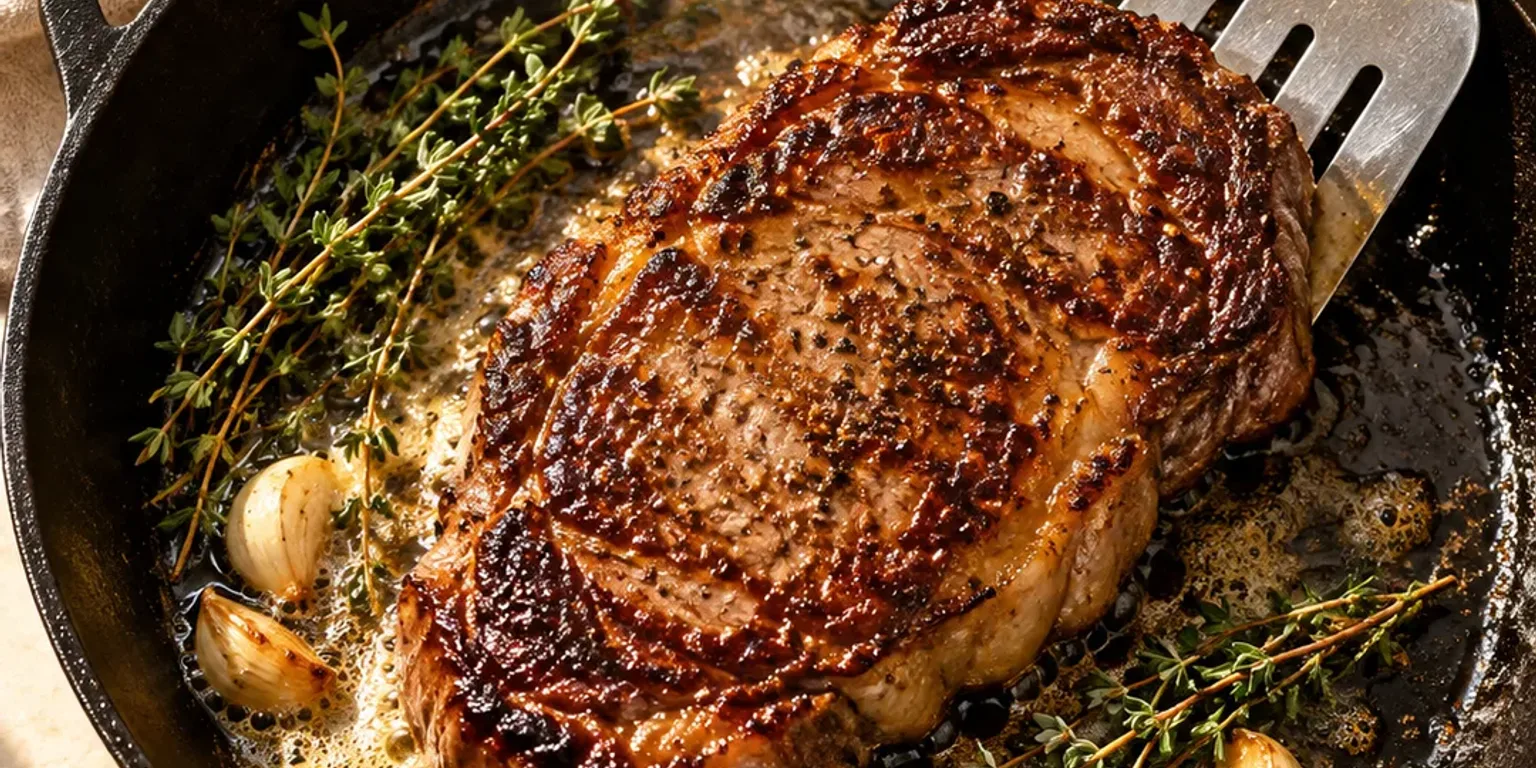
Ragusea's working idea is that a layer of oil keeps protein and metal apart and helps build a brown crust that lets go.
 Adam Ragusea · Why we cook food in oil
Put a lean piece of sirloin in a hot, dry stainless steel pan and it grabs hold like glue. Adam Ragusea, a YouTube host who runs side-by-side kitchen tests, found he had to scrape to free it.
His working explanation is that meat is largely water plus the building blocks that give it structure, which are especially prone to sticking. At high heat, he says, those building blocks lock onto atoms in the metal, and they literally bond.
How oil stops that is not fully settled, and Ragusea says he is not totally sure. He notes that reputable scientific sources do not fully agree, but his working idea is that liquid fat spreads across the pan to form a kind of barrier between protein and steel.
Because fat carries heat so well, it also cooks the surface faster and more thoroughly. Once the outside turns really brown and rigid, it releases much more easily, and in his test the oiled steak also cooked faster and tasted better.
A useful comparison came where sticking was impossible. In a dry nonstick pan, the sirloin did not stick, but it cooked slowly and browned even worse, with balloons of steam pushing the meat up and away from the heat and leaving pale, gray patches.
That is why he said he used oil even in nonstick, to carry heat to the meat and to add flavor. The practical lesson is to coat the pan and to wait until the crust is brown and firm, because a firm crust usually lets go.
Questions people ask
Should I wait before trying to flip meat that seems stuck?
Ragusea says once the surface is really brown and rigid, you can usually pull it off without tearing up the meat too much. My advice drawn from his remark is that if it resists, give it more time until the crust is brown and firm before trying again gently.
Does more oil mean less sticking?
Ragusea gives no exact amount and Ragusea does not say whether more oil reduces sticking. In his tests, oil works as a heat-carrying layer that reaches up to coat uneven food. Enough to coat the pan is his practical approach.
If I have a nonstick pan, why do I still need oil?
Even without sticking, the sirloin in a dry nonstick pan cooked slowly and browned unevenly, with steam lifting the meat and leaving gray patches. He said he used oil there to carry heat to the meat and for flavor. Oil is doing more than preventing sticking.