AI Copyright Is Four Fights, Not One
Calacanis says piracy and paywall scraping have been cleaned up, but training on legal copies and copying in answers have not.
 This Week in Startups · Did the Midterms Destroy All Hope for Data Centers? | E2360
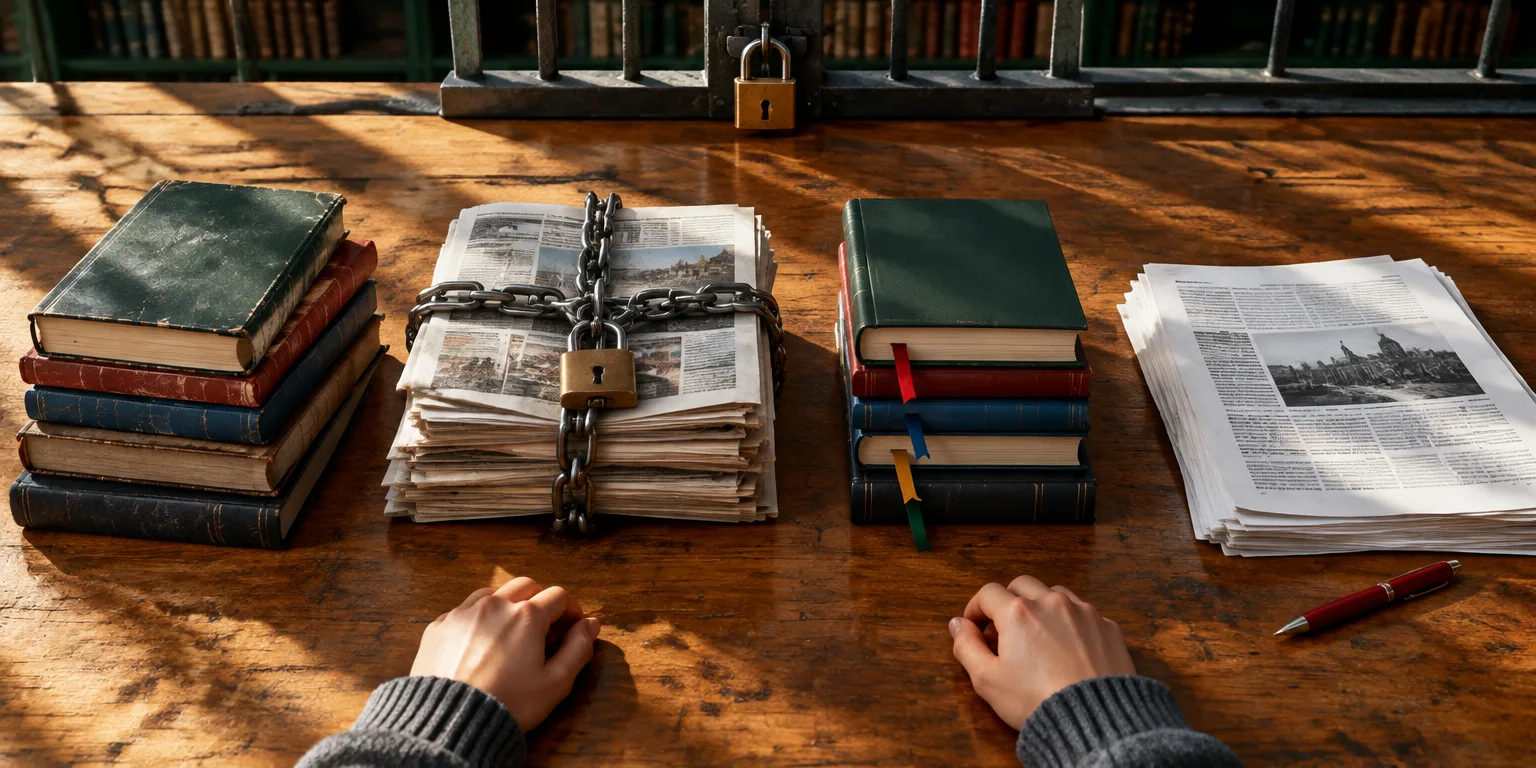
The fight over AI and publishers looks like one copyright dispute. Jason Calacanis, an investor and podcast host, says it is really four different legal risks, with different rules and different outcomes.
The first is the simplest: using stolen material. Calacanis says Anthropic paid a reported settlement of about $1 billion after training on pirated copies of books.
Calacanis says the penalty was for bootlegging the books, not for the training itself. Co-host Lon Harris agrees, adding that it was not the training itself at issue.
The second risk is breaking the rules for access. That means ignoring a site's terms of service, or using automated software to pull stories from behind a paywall that requires payment.
For that risk, Calacanis points to OpenAI's court fight with the New York Times. Speaking from memory, he says he believes discovery included a message in which OpenAI co-founder Greg Brockman said something to the effect that he had figured out how to get the content with a scraper.
The third question is the big unsettled one. If an AI company buys a book legally, can it feed that book to its model to learn from it?
That use, called training, may be protected by fair use, the legal rule that sometimes lets people reuse copyrighted work without permission. Calacanis says whether training is allowed remains unknown, and predicts music, movie, and television companies will fight hard and demand payment.
The fourth question is about what comes out, not what goes in. Even if training were allowed, an answer that repeats someone else's protected writing, images, or footage can create a separate claim.
Calacanis says it is not fair use to republish material in real time while selling a competing AI service, using election results as his example.
That context helps explain licensing deals. Adweek, citing two unnamed people familiar with the matter, reported that Anthropic signed an election coverage arrangement with the Associated Press, with no financial terms announced.
Calacanis says he feels the industry has largely cleaned up piracy and scraping, while training on legal copies and copying in outputs remain unsettled. That split is why one settlement or one license does not end the fight.
Questions people ask
What does fair use actually mean?
Fair use is a U.S. legal rule that sometimes allows reuse of copyrighted work without permission. Courts weigh factors such as the purpose, the amount taken, and whether the reuse hurts the market for the original.
What is scraping behind a paywall?
A scraper is software that automatically visits web pages and copies their contents at scale. A paywall is a system that blocks a page until the reader logs in or pays, so going around it can violate both the site's contract and copyright law.
Why would an AI company pay a news publisher for a license?
Publishers want payment and credit, while AI companies want legal certainty and current information. A license lets a chatbot show fresh election results or news summaries with attribution, instead of risking a lawsuit over real-time copying.