Some AI Startups Now Raise Computing Power Instead of Cash
A lot of the founders one venture capitalist has talked to find compute deals more attractive.
 Invest Like the Best with Patrick O'Shaughnessy · Ramtin Naimi on the State of Venture Investing - [Invest Like the Best, EP.499]
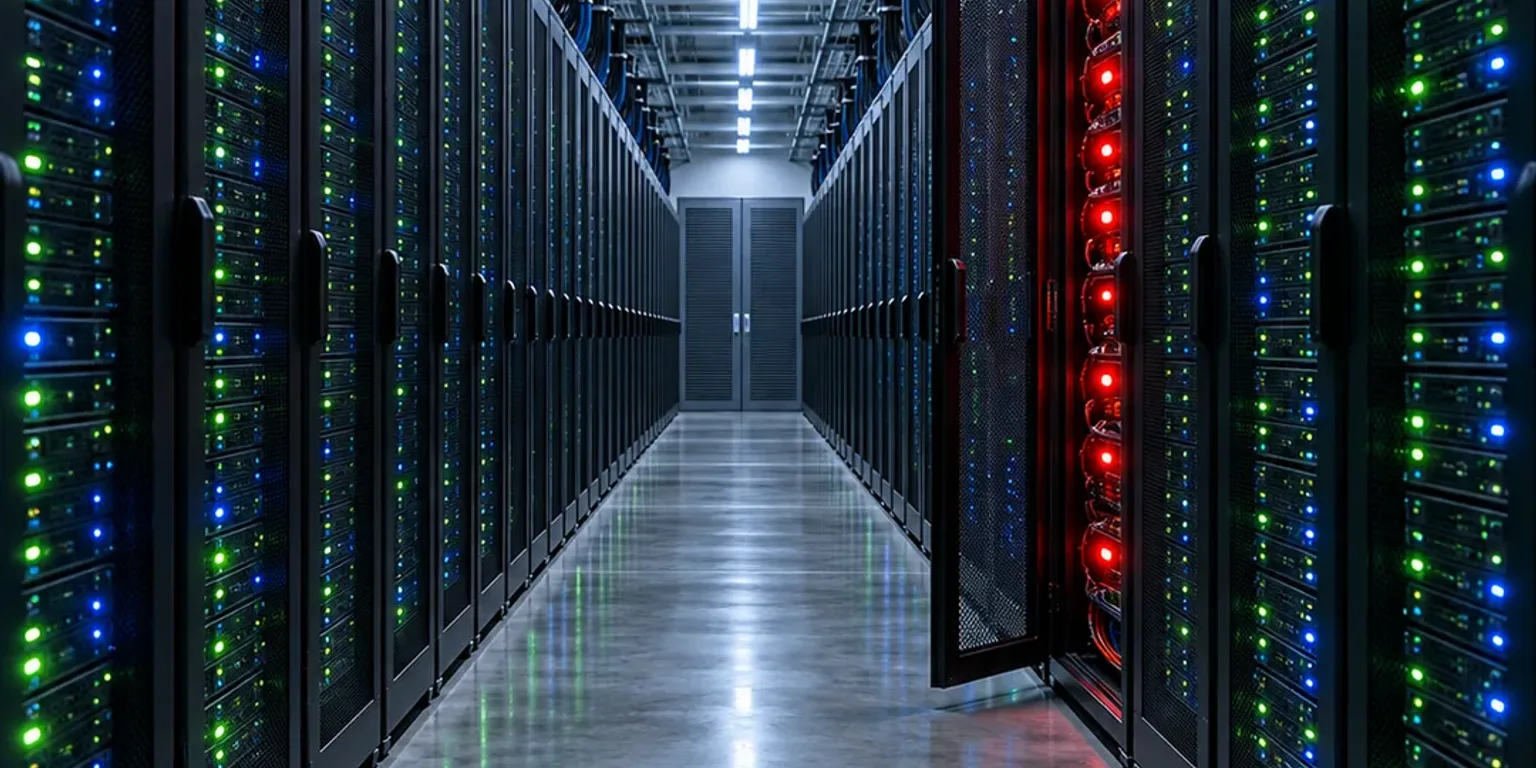
For many artificial intelligence startups, raising money really means buying time on powerful computers. The cash is headed straight for computing power to train models, so some investors have started offering the computing power itself instead of dollars.
Ramtin Naimi, a venture capitalist who backs AI companies, says a lot of the founders he has talked to find that trade more attractive.
If an investor brings computing power rather than cash, the startup gets a guaranteed allocation.
That arrangement raises practical questions about pricing and duration. An investor must first secure the computing power, and then make sure the startup is getting it at a good price.
Is the computing power available indefinitely, or only for one big model-building effort? How often can the provider reuse the same capacity to justify the investment, and how much value is lost with each reuse?
Naimi argues that spending huge sums raised by selling company shares purely on computing power may be an inefficient way to spend that money.
Questions people ask
What exactly is compute?
Compute means access to large numbers of specialized computer chips, usually rented through cloud providers, that can do the repeated calculations needed to train an AI model. A training run can require thousands of chips working together for weeks or months.
Why is computing power hard for startups to secure?
Demand has grown faster than supply, especially for the newest chips and large, reliable clusters. Smaller startups can struggle to reserve enough capacity at a good price, even when they have the money to pay for it.
Why does it matter whether a startup pays with equity or something else?
Equity is permanent and flexible, but expensive for predictable infrastructure spending. Debt or other financing tied to revenue can be cheaper, but founders and venture investors have often preferred simple equity deals without repayment terms or restrictions.