AI Data Centers Need Power Long After the Sun Goes Down
Nicolai Tangen expects nuclear power and battery storage to become more important as AI creates demand for electricity around the clock.
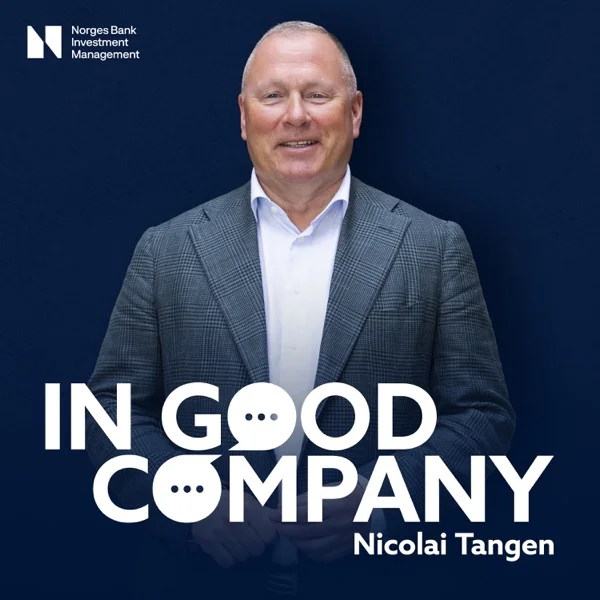 In Good Company with Nicolai Tangen · Friday Wrap-Up: Nuclear, Batteries and Reflections from New York
For years, U.S. electricity demand was largely flat. The growth of artificial intelligence is changing that, and supplying its data centers takes more than adding power whenever it is easiest to produce.
The computers keep running after sunset and when the wind drops. They need a dependable supply through those hours, too.
Nicolai Tangen, who heads Norway’s sovereign wealth fund, sees a growing role for nuclear power. After speaking with John Ketchum, chief executive of U.S. power producer NextEra Energy, he said the industry faces a huge infrastructure buildout to meet rising demand.
Nuclear plants can provide steady electricity day and night. Tangen expects more small modular nuclear stations, which use smaller reactors, to be built.
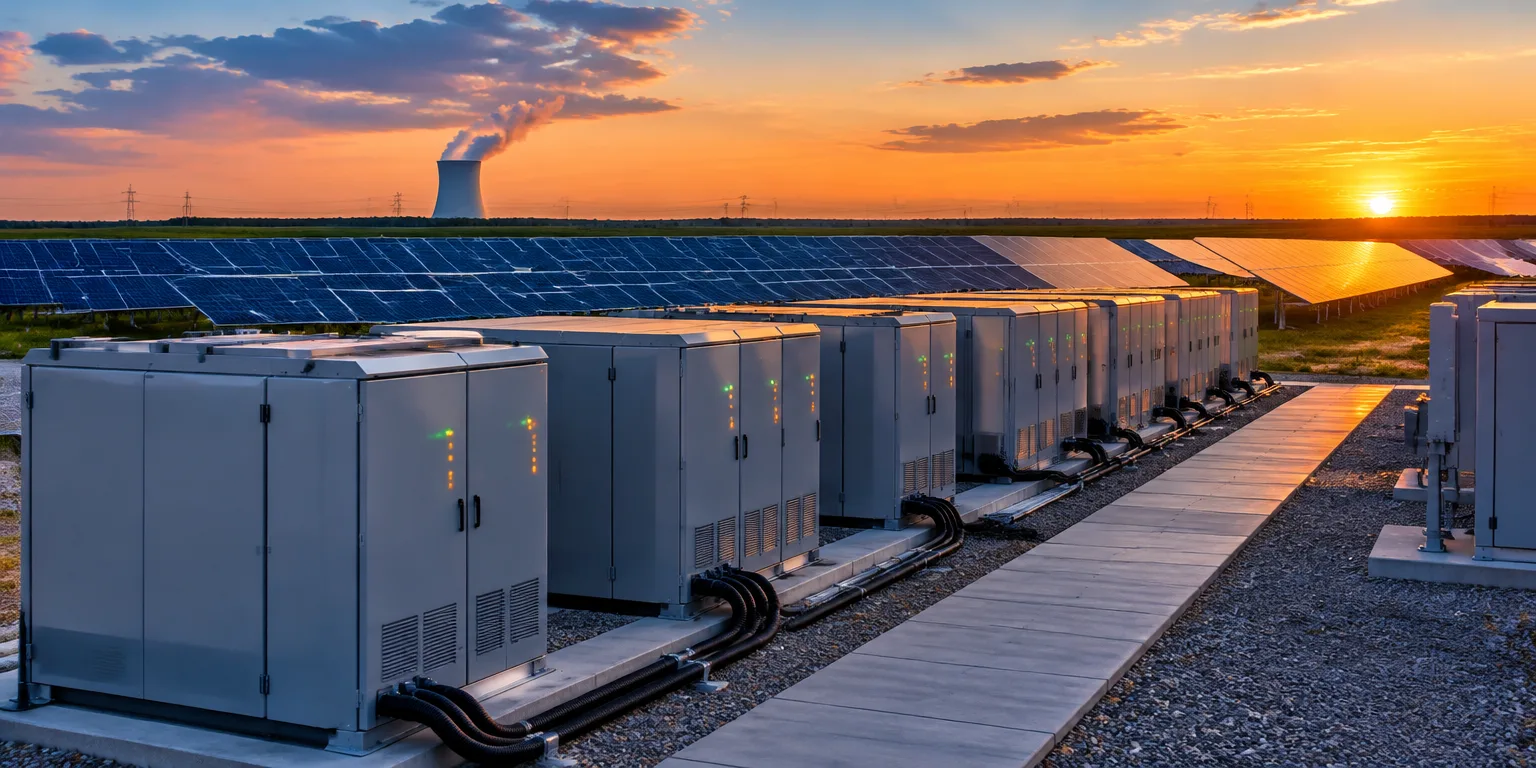
Solar power presents a different challenge: the hours when panels produce electricity do not always match the hours when customers need it. Batteries allow some of that electricity to be stored and used later, helping supply customers after solar production falls.
That has made storage an investment opportunity for Tangen’s fund. It has taken a 10 percent stake in a battery venture with investment firm Brookfield, its first direct investment in battery storage.
Tangen said the venture could become the largest battery platform in the United States.
Questions people ask
What does baseload power mean?
Baseload is the minimum amount of electricity the grid must supply all the time. Nuclear, and in many places natural gas and hydroelectric dams, traditionally provide it because they can run steadily for months. Power sources that come and go with the weather are called intermittent.
What is a small modular nuclear station?
They are smaller nuclear reactors built largely from factory-made parts rather than custom construction on site. The idea is that they should be faster and cheaper to build, and can be placed closer to places that need steady power, such as industrial sites and data centers. Several designs are still moving through testing and licensing.
How does a grid-scale battery platform work?
They are warehouses full of large rechargeable batteries, often using the same lithium based chemistry as electric cars. They charge up when electricity is plentiful and cheap, usually in the middle of a sunny day, and discharge in the evening or during demand spikes. That helps keep supply and demand in balance without building another power plant.