AI Flags a Loose Bolt Before It Can Stop a Line
Sensors watch hundreds of machines at once, and software flags the one wobble that needs a human with a wrench.
 Dry Powder: The Private Equity Podcast · The AI Opportunity in 'Boring' Businesses w/ Brookfield’s Anuj Ranjan
In a manufacturing business with dozens of plants, each with many production lines and hundreds of machines, the first sign of trouble can be a vibration too faint for a busy worker to notice.
In the past, companies handled that risk the hard way. Workers walked the floor to check equipment, and managers simply budgeted for downtime, repairs, and replacement parts when things broke.
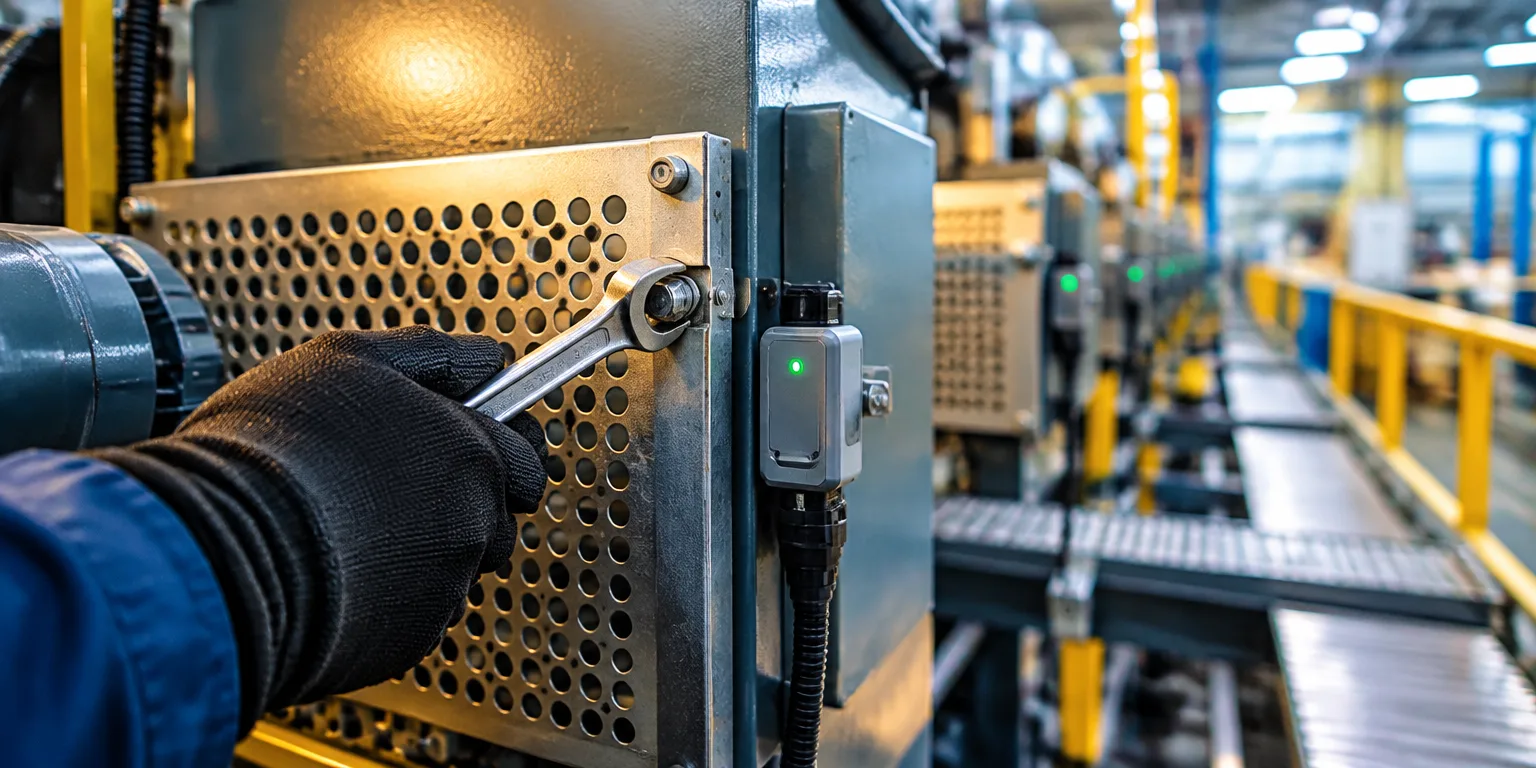
The newer approach, described by Brookfield private equity chief Anuj Ranjan, starts with small internet-connected sensors, called IoT devices, attached across the machinery. They continuously record what the equipment is doing, including how much it shakes, heats up, or slows down.
That stream of readings is pooled with data from many other businesses, in Brookfield's case about 300 companies around the world. The combined store of information, often called a data lake, is used to train software models.
When one machine drifts from normal, the system sends an alert pinpointing the location. As Brookfield private equity chief Anuj Ranjan put it, “machine X on line Y at plant Z says, something's wrong.” The cause is still a job for people, who go look.
In one case, a bolt was loose. A worker tightens it, and the vibration stops.
The possible payoff is in what does not happen next. Ranjan said it is hard to say tangibly what such a fix achieves, but it may have saved spending on bigger repairs. Had something broken, it may have stopped the entire line and cost some throughput or capacity.
Questions people ask
What is an IoT device?
IoT means internet of things. It refers to small, inexpensive sensors and devices attached to physical objects that measure things like temperature, motion, or vibration and send the readings over the internet.
How is predictive maintenance different from regular maintenance?
It is maintenance guided by early warning signs rather than a fixed calendar or a breakdown. Models look for patterns linked to past failures, so crews fix the likeliest problems first. The goal is fewer surprises and less unplanned downtime.
How expensive is it when a production line goes down?
The source does not give a dollar figure. Ranjan says a breakdown can stop an entire line and cost throughput or capacity, on top of repair spending. Avoiding even one such stoppage can make a small fix worthwhile.