America's First Dinosaur Hunters Made Secret Deals and Sabotaged Quarries
A double cross in a New Jersey marl pit started a feud that brought possibly gunplay, congressional hearings, and a challenge to compare brains after death.
 The Joe Rogan Experience · #2580 - Kenneth Lacovera
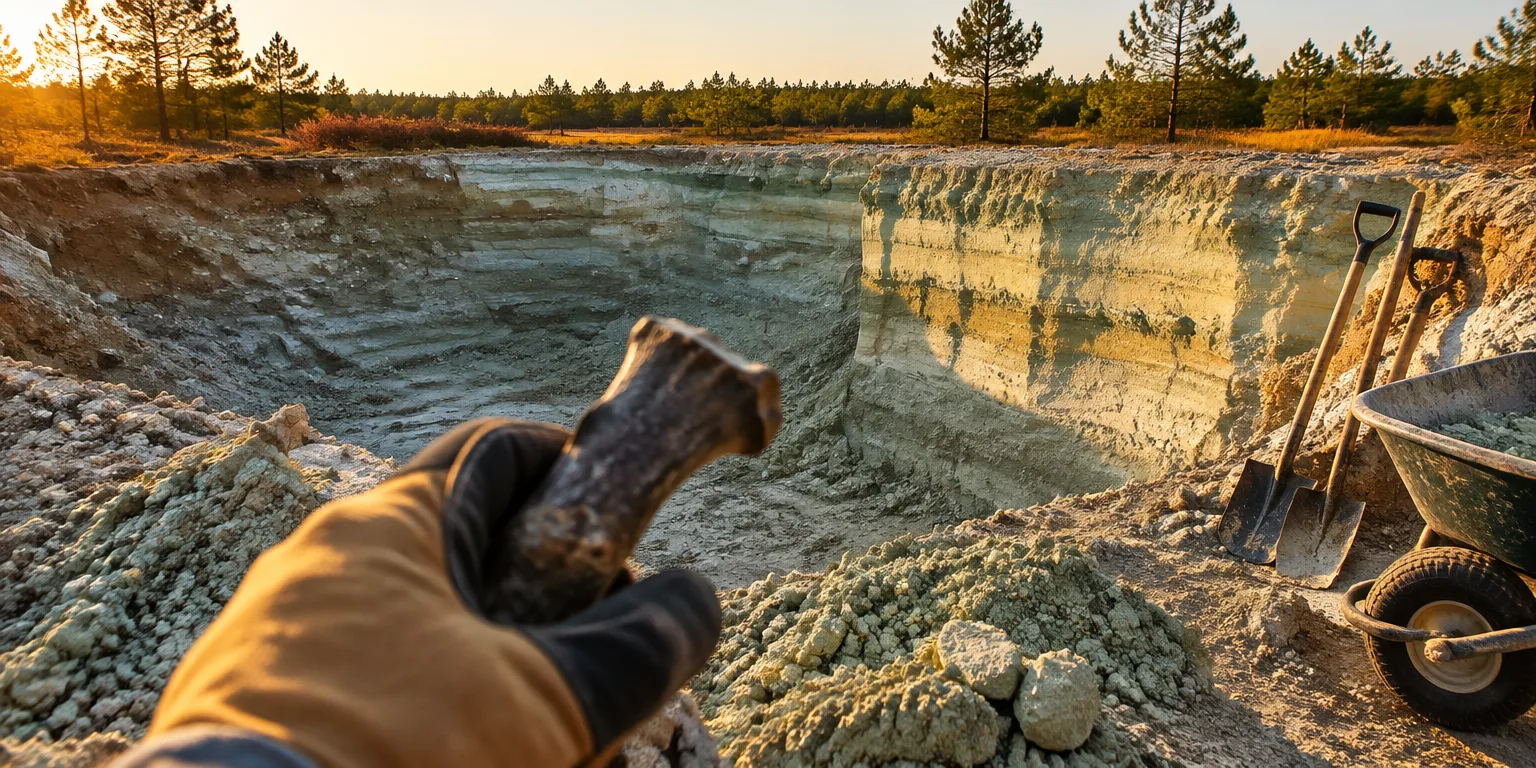
Edward Drinker Cope of the Academy of Natural Sciences in Philadelphia thought he was making a friend. After miners tipped him off to bones in a marl pit in Mantua Township in New Jersey, he excavated what proved to be the first tyrannosaur ever found, described it, and invited the great Yale professor Othniel Marsh down to see it.
While Cope played host, Marsh pulled the quarry owner aside. He cut a secret deal so that every fossil found there afterward would go to the Yale Peabody Museum, not to Cope in Philadelphia.
That double cross lit the fuse on the Bone Wars, the bitter rivalry that came to define American dinosaur hunting in the late 1800s. The two men would find so many North American species that scientists today still routinely write Cope or Marsh after the genus and species name.
Paleontology was brand new to North America then, says paleontologist Kenneth Lacovara, who works at the nearby Edelman Fossil Park and Museum. Almost everything that came out of the ground was new to science, and each man wanted the longest list.
Out in Wyoming, the race turned dirty. The camps sabotaged each other's quarries, Lacovara says there may even have been gunplay at one point, and the scandal grew so large that it drew congressional hearings in Washington.
Cope challenged Marsh to donate their brains to science when they died, to see who had the bigger one. The fossils they fought over were real.
Marsh paid Cope back by humiliating him in public. When Cope assembled a long necked sea reptile called an elasmosaur with its head on the wrong end, Marsh ostentatiously moved it to the other side.
Lacovara says there was no fakery in any of this, only speed and spite. In their rush to name species, some of their discoveries were later knocked back as duplicates of animals that were already known.
But so much survived that Lacovara says, "I have to refer back to them constantly." Their names still appear in species names today.
Questions people ask
What exactly was the elasmosaur that Cope put together backwards?
It was a huge, long necked marine reptile, a type of plesiosaur, that swam in the shallow sea that once covered much of middle America. Cope put the skull on the end that was actually the tail, so the animal came out backwards. Marsh corrected him publicly, which deepened their hatred.
What is a marl pit, and why were dinosaur fossils in one?
Marl is a crumbly mix of clay, silt, and shell rich sediment that early farmers dug up to fertilize fields. In southern New Jersey, those pits happened to cut through layers laid down in the age of dinosaurs. Miners looking for fertilizer kept hitting fossils instead.
Where can a regular person hunt for fossils today?
At Edelman Fossil Park in southern New Jersey, near where Cope and Marsh began feuding, researchers preserve the key scientific layer for study. A rich layer above it is open for public digging, where visitors can find and keep their own fossils. Lacovara says millions are likely present.