Pompeii May Have Ignored Vesuvius Because the Tremors Felt Normal
The shaking was a countdown to eruption, but familiar alarms are easy to dismiss.
 National Geographic · Beginning of Vesuvius' Eruption (Full Episode) | Pompeii: Out of Time with Tom Hiddleston | Nat Geo
The people of Pompeii may have had about an hour to escape after Vesuvius began to warn them, and many may have spent it doing nothing.
The warning started underground, says Chris Jackson, a geoscientist. Molten rock, called magma, was rising and pushing hard against solid rock, cracking it as it moved.
Each crack shook the ground. Those earthquakes were pressure building toward an eruption that would release more heat energy than the atomic bombs over Hiroshima and Nagasaki combined.
In that reconstruction, the tremors were a countdown with roughly an hour left. But a warning only works if people believe it.
That is where tuning out comes in, says Sarita Robinson, a disaster psychologist who studies choices under extreme stress. To demonstrate the effect, she sounds a fire alarm while nothing is burning.
People have learned that alarms often mean no danger, so they stop responding. In her lab studies, she has seen this pattern over and over.
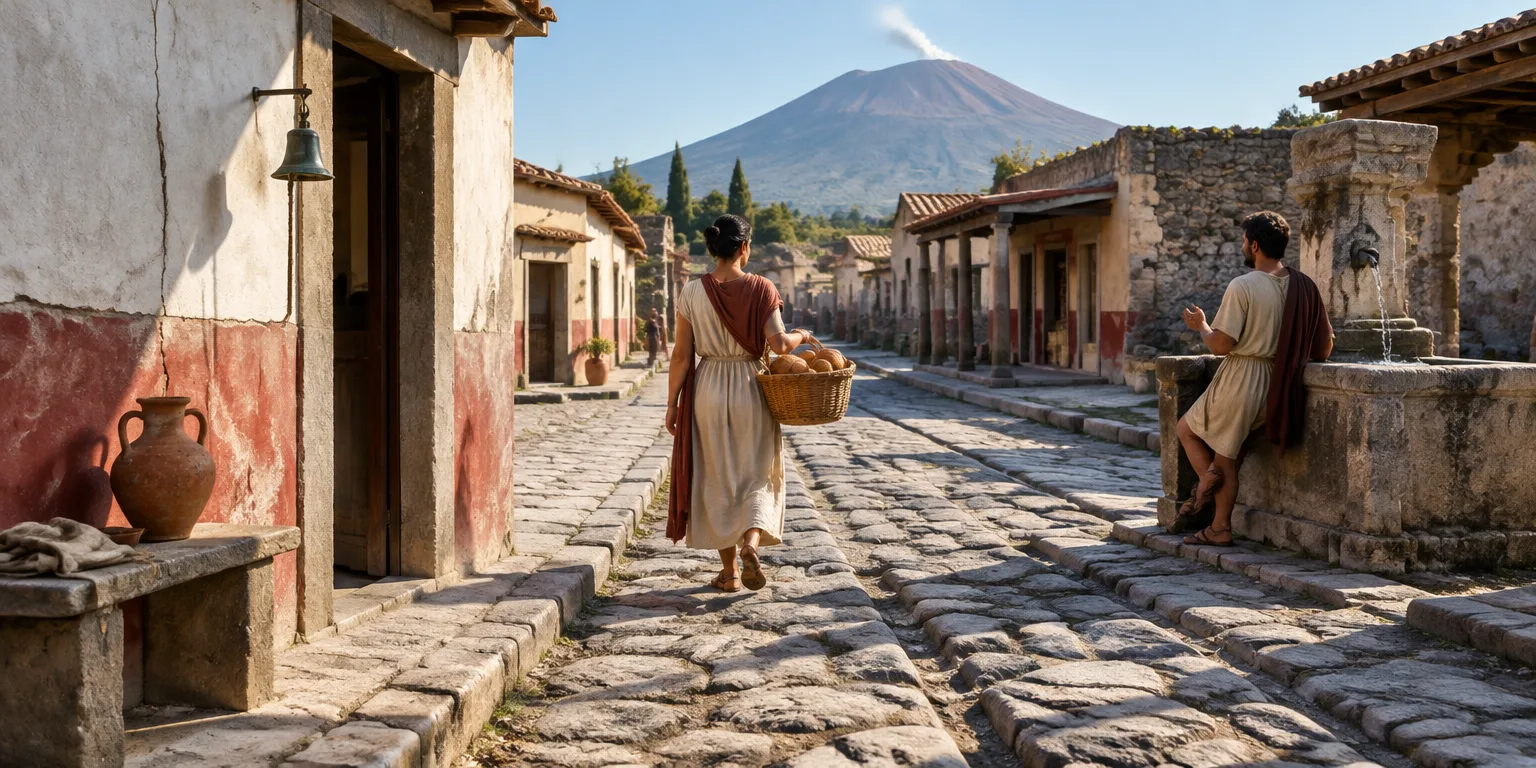
The same learning could have happened in Pompeii. The town sat beside an active volcano where earthquakes were common, as they still are in modern Italy, so residents may have learned to ignore shaking ground the way people ignore fire alarms.
Questions people ask
How can moving magma cause earthquakes?
Magma forces its way upward through solid crust, and the surrounding rock breaks under the strain. Each break releases energy as shaking, much like a small fault slipping. A swarm of such quakes can therefore signal that molten rock is moving and pressure is rising.
What is alarm fatigue in everyday life?
It is the reduced response that comes from repeated false alarms. Hospital nurses, pilots, and office workers have all been shown to react more slowly when most alerts turn out to be harmless. The brain learns the pattern and conserves effort by assuming the next alarm is also harmless.
Are earthquakes still common around Vesuvius today?
Yes. The Naples area sits in a seismically active part of Italy, with faults in the Apennine mountains and restless volcanic ground around Vesuvius and the Campi Flegrei caldera. Small tremors remain routine, while larger quakes have damaged towns in the region in recent decades.