The Kaiser Thought He Had Seen 13 Crises Like This, Then Realized This One Was Different
He had survived 13 Balkan scares, until a weak ally set events moving that were almost impossible to roll back.
 The Rest Is Politics: Leading · The Storm Before The World War? | Odd Arne Westad
Kaiser Wilhelm II, Germany's emperor, came back from his annual summer trip to the Norwegian countryside to Potsdam, furious at being called home.
Historian Odd Arne Westad retells Wilhelm's furious greeting as Wilhelm's own words: "Another Balkan crisis? I've already had 13 of these, right?"
He expected one more familiar scare that could be contained and forgotten. This time, a weak ally pulling in its powerful backer would help unravel the whole European system and lead toward 40 million deaths.
The shock had come that summer in Sarajevo, a place few Britons or French were thought to have heard of. Archduke Franz Ferdinand, heir to the Austro-Hungarian throne, was assassinated in a terrorist act that arrived at the worst possible time.
Below the surface, tensions had been building among the great powers. Many people in Britain, France, Germany, and especially Austria worried that their countries were losing ground.
Austria, the weak ally, acted in a way that began to tear the system apart. Germany, the very powerful country behind it, was not willing or able to hold it back.
Then came what Westad calls the "terrifying 36 hours." Over that day and a half, Wilhelm and everyone around him realized this crisis was really different.
Westad sums up what they grasped in his own words: "it will be almost impossible to roll back because the wheels are already in motion."
Questions people ask
What was the terrorist act that started the crisis?
The heir to the Austro-Hungarian throne was shot in Sarajevo in Bosnia in the summer of 1914, and Austria blamed Serbia and sought revenge. Germany gave Austria strong backing, Russia backed Serbia, and rigid military timetables then pulled France, Britain, and others into a continental war.
Why couldn't the Kaiser just order everything to stop?
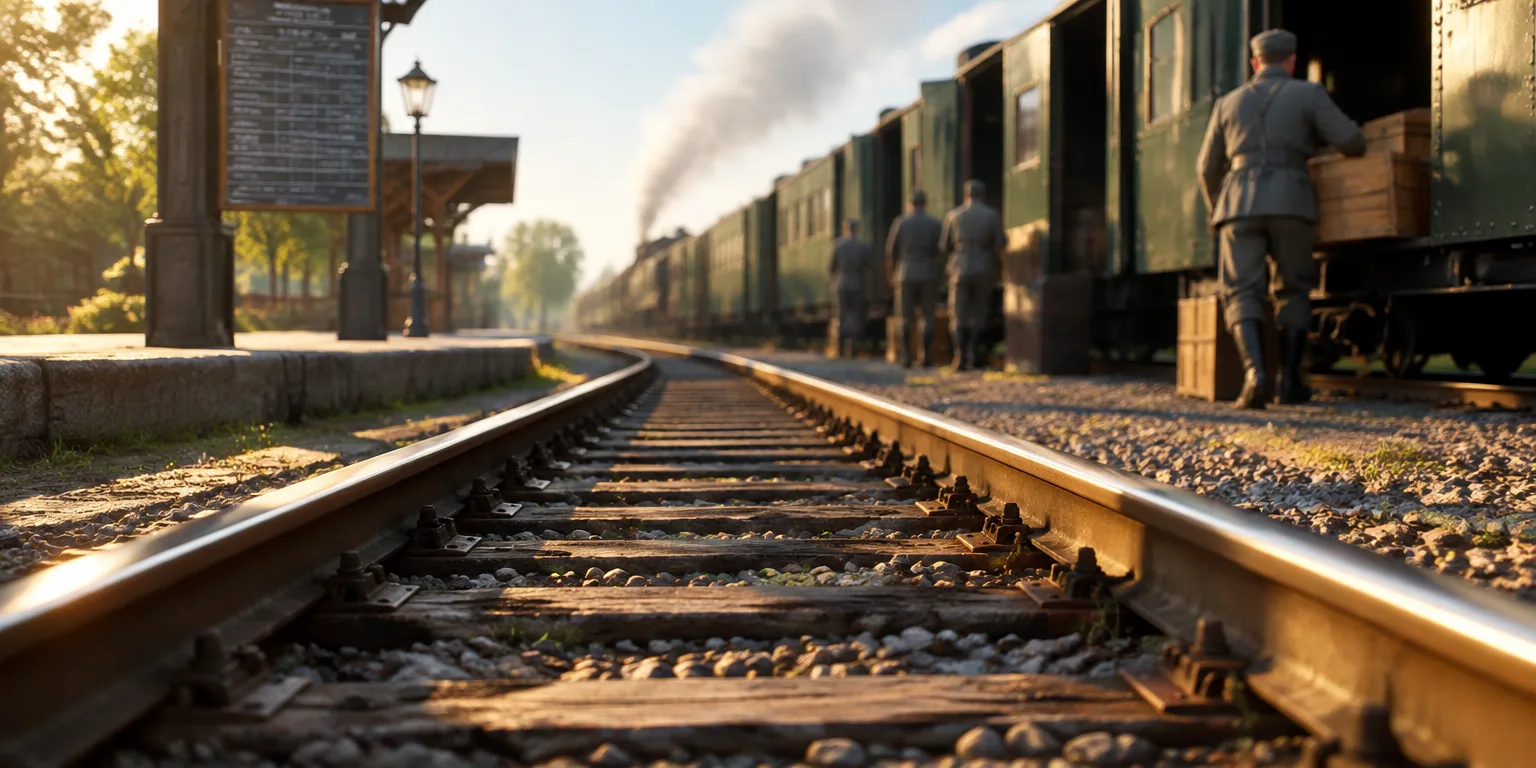
Mobilization in 1914 meant calling up millions of reservists by train on fixed schedules that could not easily be paused. Once one great power started moving troops to its border, its rivals felt they had to start too, or risk being caught unready.
What was Potsdam in 1914?
Potsdam, just outside Berlin, was the home of the Prussian kings and German emperors, with palaces used for government business. In the summer of 1914 it served as the place where Wilhelm met ministers and generals after cutting short his summer trip.