An Analyst Note Argues Japan's Top Resale App Wins on Trust
The note puts its flea-market share at about 70 percent, with its edge in payments, escrow, and shipping that keep small trades safe.
 doi.org · Mercari Deepdive Analysis
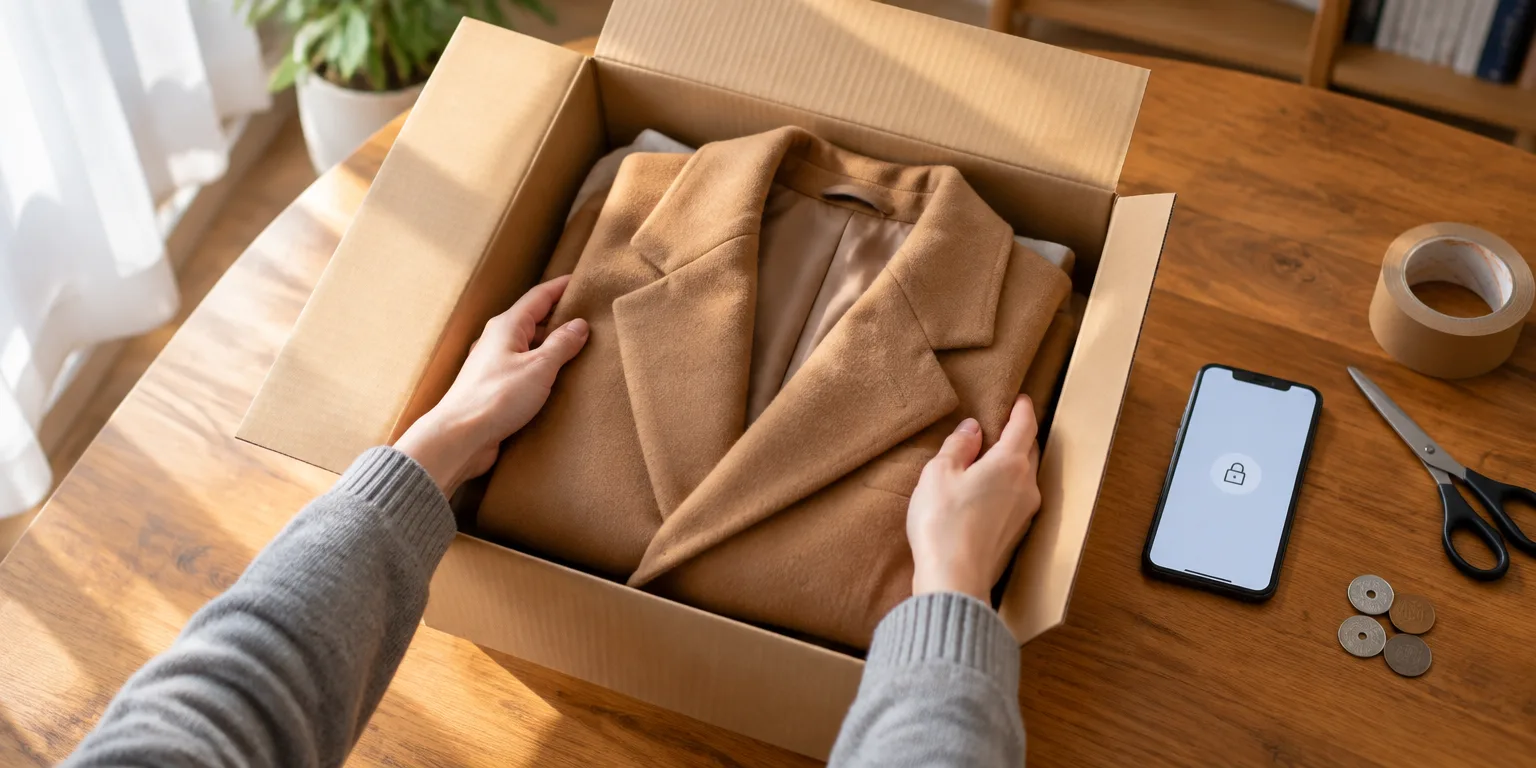
Selling a used coat to a stranger sounds simple until money has to change hands. That everyday risk is central to the case for owning Mercari stock in a January 2026 investment note.
The note's author describes Mercari as Japan's leading app for buying and selling secondhand goods at the time of the note. The write-up says "Mercari appears to have roughly 70% share among Japan's flea-market apps," with strong brand recognition and deep engagement.
In secondhand marketplaces, a large crowd of buyers and sellers is the moat. Liquidity, meaning enough buyers and sellers in one place that goods actually sell, attracts still more buyers and sellers.
What keeps the crowd there is not just listings. It is a transaction model that handles payment, holds funds until delivery checks out, backs buyers if something goes wrong, and arranges shipping, which smaller competitors struggle to copy.
Integrated payments mean buyers and sellers never meet to exchange cash. The money moves inside the app.
Escrow, a system in which the app holds the payment for a time, adds a pause for safety. The seller does not get paid instantly, which gives the buyer a chance to confirm the item arrived.
Buyer protection is the promise behind that pause. If an item does not arrive or is badly different from its listing, the buyer has recourse instead of losing the money.
Logistics closes the loop. Built-in shipping spares sellers from weighing boxes, pricing postage, and sharing home addresses.
Together, those steps let strangers trade small, one-of-a-kind items with confidence. The author argues that confidence is why the lead can endure even when listings alone could be copied.
Questions people ask
What does escrow actually do in an app like this?
Escrow means a trusted third party holds the buyer's money briefly instead of sending it straight to the seller. In an app, that lets the buyer confirm the item arrived before the funds are released, which discourages scams and mistakes.
Why does having more users make a marketplace stronger?
A marketplace with more shoppers sells items faster, and faster sales attract more sellers with better selection. That selection then attracts still more shoppers. Once that cycle is spinning, a smaller rival has trouble pulling people away.
Why is buying secondhand from strangers riskier than buying new?
New goods usually come from a store with returns, warranties, and consistent quality. A used item comes from a stranger, exists in only one condition, and cannot be replaced, so buyers worry more about paying for something they have never touched.