Pick A Tiny Niche, Then Keep Listening As It Changes
A seller in Spain studies Ohio nurses who love cats, then stays close with reviews and email surveys.
 Ecommerce Coffee Break – The Ecom Marketing & Sales Podcast · How AI is Revolutionizing Print-on-Demand — David Hooker | How AI Changes Print-On-Demand, How AI Creates Photorealistic Mockups, What Traits Make Sellers Successful, How Printify’s Global Fulfillment Cuts Risk, Why Gen Z Demands Personalization (#484)
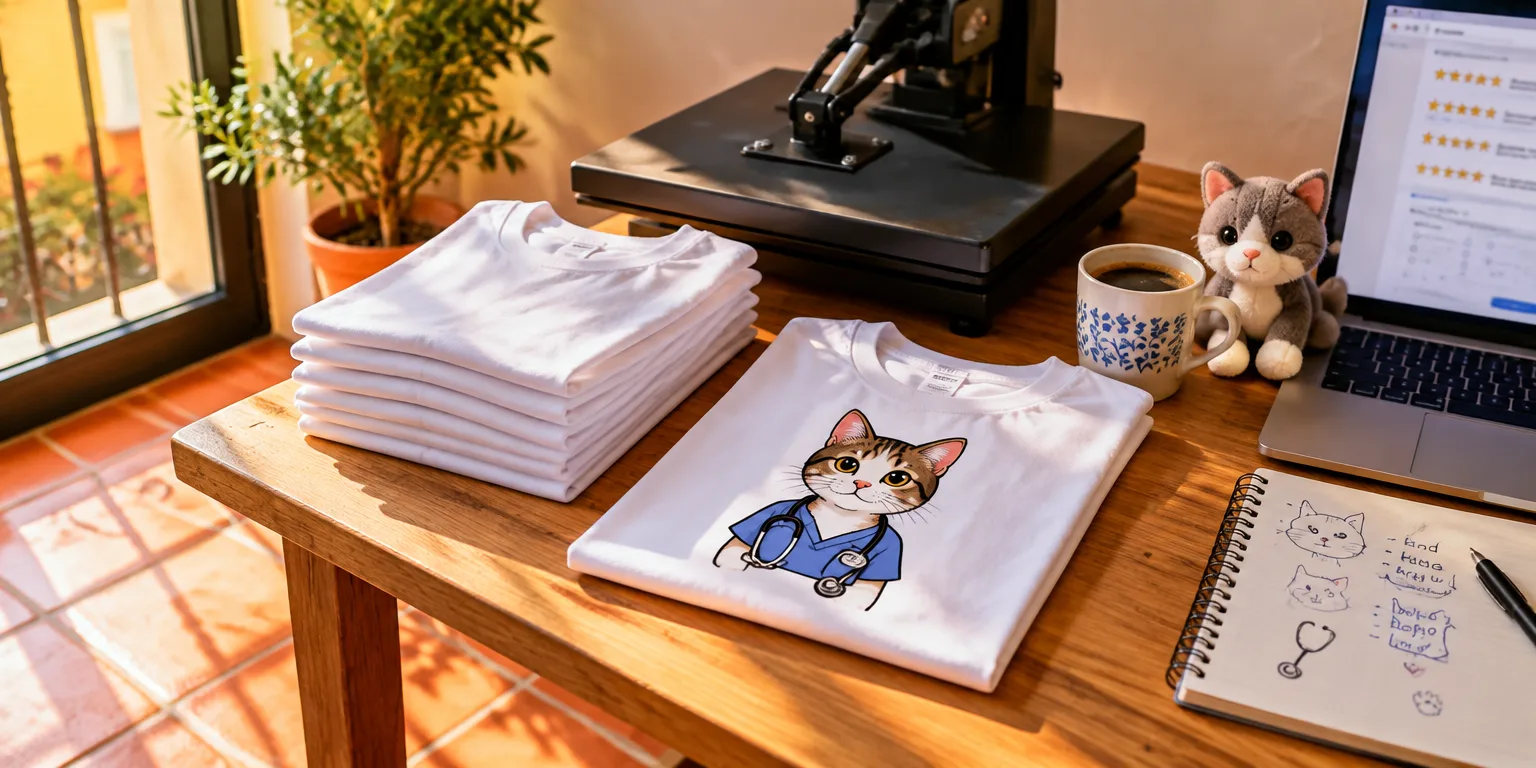
One print-on-demand seller is a Moroccan man living in Spain. One of his online stores sells to nurses in Ohio who love cats.
David Hooker, head of brand at Printify, cites him as an example of researching a niche. Printify is a platform for print on demand, in which a blank shirt is printed and mailed only after a customer orders, so the seller never buys inventory in bulk or stores boxes at home.
The lesson is that you do not have to sell to people like yourself. As Hooker puts it, "you can live in the niche" or you can research your way into it, and this seller researched his way in.
Hooker says that if those nurses held an in-person meet and the seller walked in, they would say, "Excuse me, who are you?" and "What are you doing here?" He would be an outsider in the room, but he studied the group anyway.
Research is not finished once you find buyers. Hooker says you will not know the niche forever, because trends change and people change their minds about what they want.
So once you have built an audience and have some connection with it, gather feedback and keep listening. Read the reviews, send a newsletter, and use email to ask for feedback and run short surveys, since Hooker says email remains remarkably powerful despite its reputation as old and outdated.
Hooker says the sellers who do best "know their niche and then adapt" with it as it moves. Pick one small group, keep asking what they want now, and let the answers shape the next product.
Questions people ask
How do I research a niche I do not belong to?
Lurk where they already talk, in Facebook groups, Reddit threads, hospital break-room humor pages, and cat lover accounts. Write down the phrases they repeat, the complaints about shifts and scrubs, and the cat jokes they share, then check which designs and products already sell to them.
How do I get customers to actually answer a survey?
Ask one specific question right after delivery, when the buyer is most likely to reply. A short email like, did the size run true, or what should we print next for cat loving nurses, gets more useful answers than a long form.
Does email still work for a tiny store?
Yes, especially for a small store with repeat buyers. A simple newsletter with new designs, a customer photo, and a question can drive repeat visits without ad spending, and most email tools offer free plans until your list grows.