Anxiety Works Like a Smoke Alarm That Sometimes Rings Without a Fire
Stress means too many demands for the resources at hand, while anxiety is fear with no immediate threat.
 podcasts.apple.com · „Life and How to Live It with Dr Rocco“-Podcast – Apple Podcasts
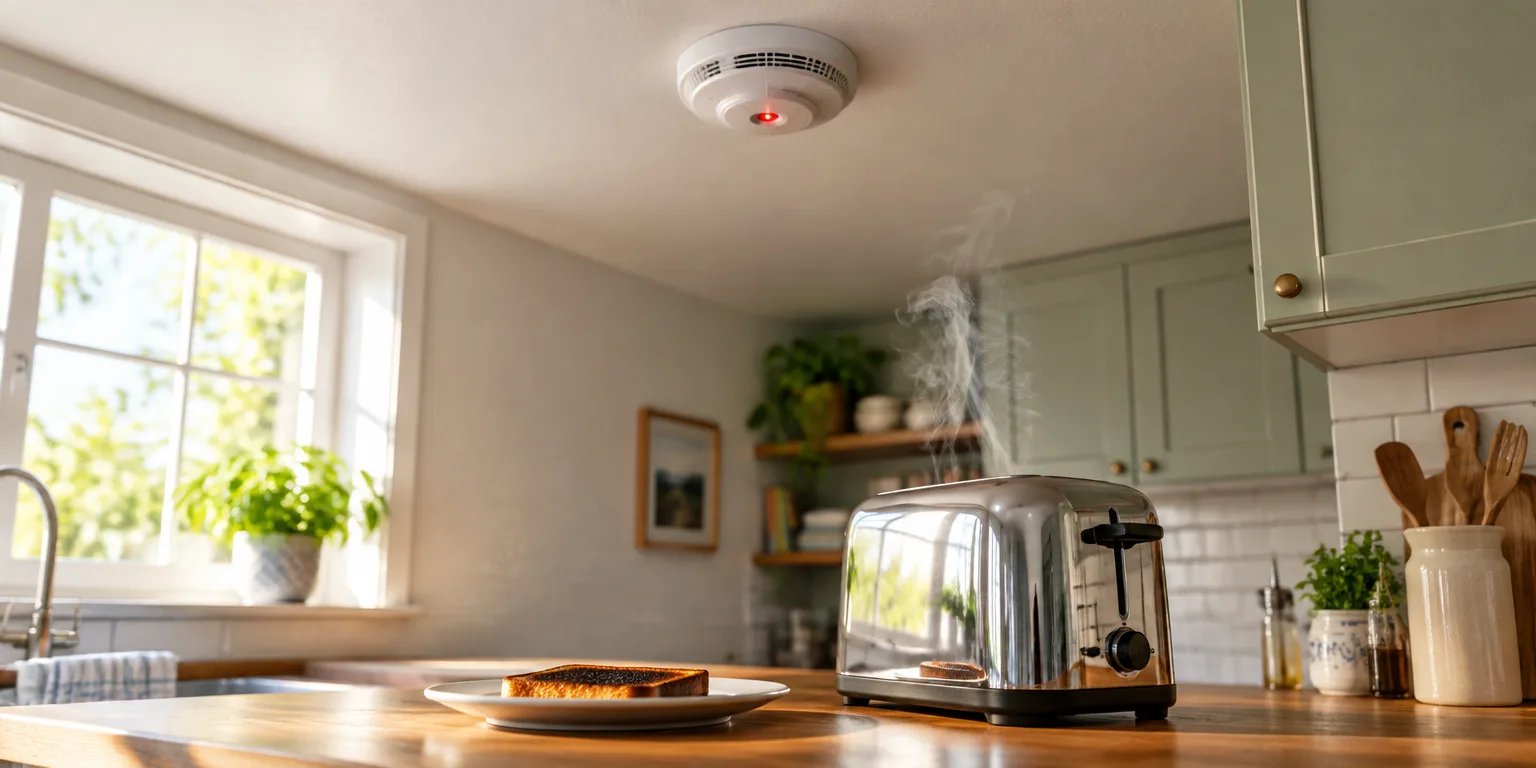
Your anxiety can be working correctly even when there is nothing to fear, much like a smoke alarm that blares over burnt toast.
The distinction comes from psychologist David H. Rosmarin, author of a book on thriving with anxiety. He argues that feeling anxious is not the same as having an anxiety disorder.
The trouble can start when people believe they are supposed to live anxiety-free, so bodily discomfort can look like evidence something has gone wrong.
He starts by separating two words people often mix. Stress happens when the demands on you exceed the resources you have, such as time, money, energy, or support.
Anxiety is different. It is fear without present danger, with the body on alert though nothing is attacking.
That is where the smoke alarm comes in. When the house is burning, that loud sound is the device doing its job. When burnt toast sets it off, that is a false alert, not proof the detector is useless.
The response depends on which problem you have. For stress, the fix is practical: reduce demands or increase resources. For anxiety, the aim is not to wipe out the feeling, but to handle it more skillfully.
Thriving keeps the discomfort but puts it to use, as a chance to build resilience, awareness, stronger relationships, or spiritual growth.
Questions people ask
How can I tell whether I am stressed or anxious?
Stress usually tracks a clear overload, like too many deadlines, bills, or caregiving duties for the time and help available. Anxiety can appear without that kind of overload, as worry, a racing heart, or stomach discomfort before anything bad has happened. Some people who think they have anxiety are really overwhelmed by stress.
What should I do differently for each one?
For stress, look for something to remove, postpone, delegate, or make easier, and for something to add, such as sleep, money, time, or help from others. For anxiety, try noting that the alarm may be false and letting the bodily feeling pass without treating it as proof something is wrong. If either pattern is persistent, intense, or interferes with work, sleep, or relationships, talk with a clinician.
When should anxiety prompt professional help?
Consider routine care if anxiety is frequent, hard to control, and limits daily life, or if it comes with panic, avoidance, depression, or thoughts of harming yourself. A primary care doctor, therapist, or psychiatrist can assess whether it is an anxiety disorder and discuss treatment. Ordinary unease that comes and goes generally does not require that step.