Archives Sometimes Cannot Take Donated Family Papers
Donating family papers is harder than it looks, and scanning them takes time and money most archives do not have.
 Last Podcast On The Left · Side Stories: The Honey Pot
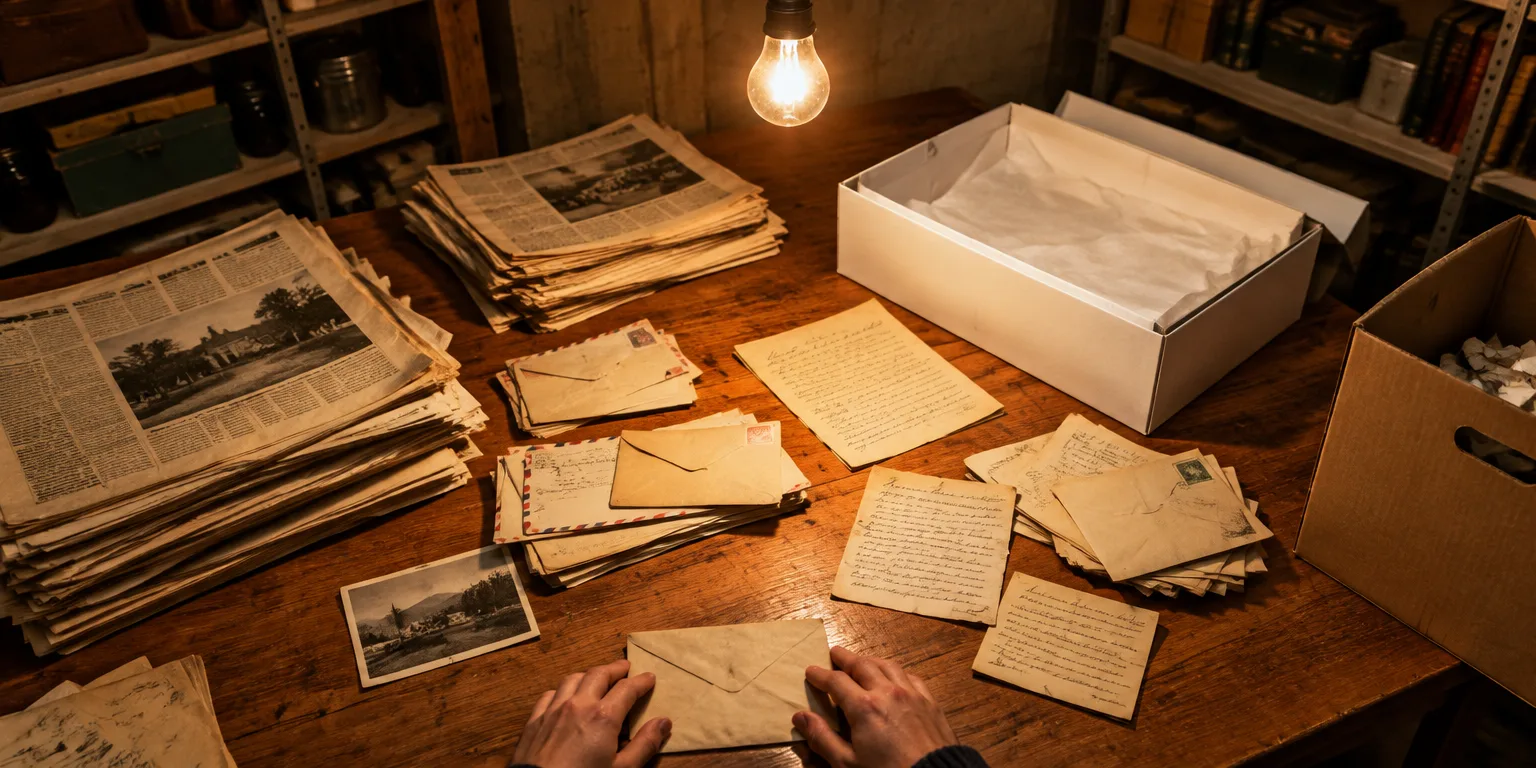
Historic papers can end up for sale for several reasons, and one is that an archive cannot take them. A trained archivist says people gather copies and store them at home, then die and leave relatives to sort out what is valuable, sellable, or trash.
The archivist offered that explanation after a listener asked about My Lai-related documents offered for about $280,000. Families in that position weigh whether an item is worth donating, worth selling, or simply trash.
Museums, archives, and historical societies turn down offers for practical reasons. An item can fall outside what they collect, be impossible to verify, come with a price they cannot pay, or already be preserved somewhere else.
Space is also short, and no one wants a duplicate taking up a shelf. A common case involves big runs of old newspapers, since the New York Times is already scanned and searchable online.
Some institutions even fill gaps by buying on eBay or at auction. So a basement stack of papers can look less like a gift and more like material they already hold.
Scanning what archives do keep is slow and expensive. It requires special equipment, trained staff, time, and computer hosting, usually paid for by grants tied to specific collections.
A casual home scan can damage a fragile object or lose detail, so it does not meet archival standards. Even well equipped institutions have backlogs still waiting to be cleared.
Much material ends up in acid-free preservation boxes, pulled only when a researcher asks, rather than displayed for casual visitors. Galleries, libraries, archives, and museums were hit hard by 2025 cuts to the federal library and museum agency known as IMLS, and a lawsuit has begun restoring some grants for digitization and jobs.
Jobs are scarce, and archivist and scanning jobs are often part-time or tied to one short project, even as staff push to make primary sources available.
Questions people ask
What should I do if I inherit boxes of old letters or documents?
Start by keeping everything dry, flat, and together, and do not throw away envelopes, notes, or order. Then contact a local archive, library, or historical society with a short list and photos, and ask if it fits what they collect.
Why is a home scan not good enough for an archive?
For family use, a phone scan is fine. For history, archives need high resolution, even lighting, color accuracy, and careful handling, plus files that are labeled, stored, and maintained for decades.
What is an acid-free box?
It is a storage box made without acids that yellow and weaken paper. Archives use them to slow decay, which is why a collection can sit safely for years until it is scanned or requested.