Booking.com Was Overwhelmed After Telling Guests Almost Nothing Was Left
In tests across 6,700 commercial sites, competition for limited numbers did the most to turn visitors into buyers.
 Summation with Auren Hoffman · Robert Cialdini - 7 Principles of Influence Explained
The marketing team at Booking.com thought something was wrong with the technology.
The marketing department told the tech group it was getting so many guests and suspected a technology problem.
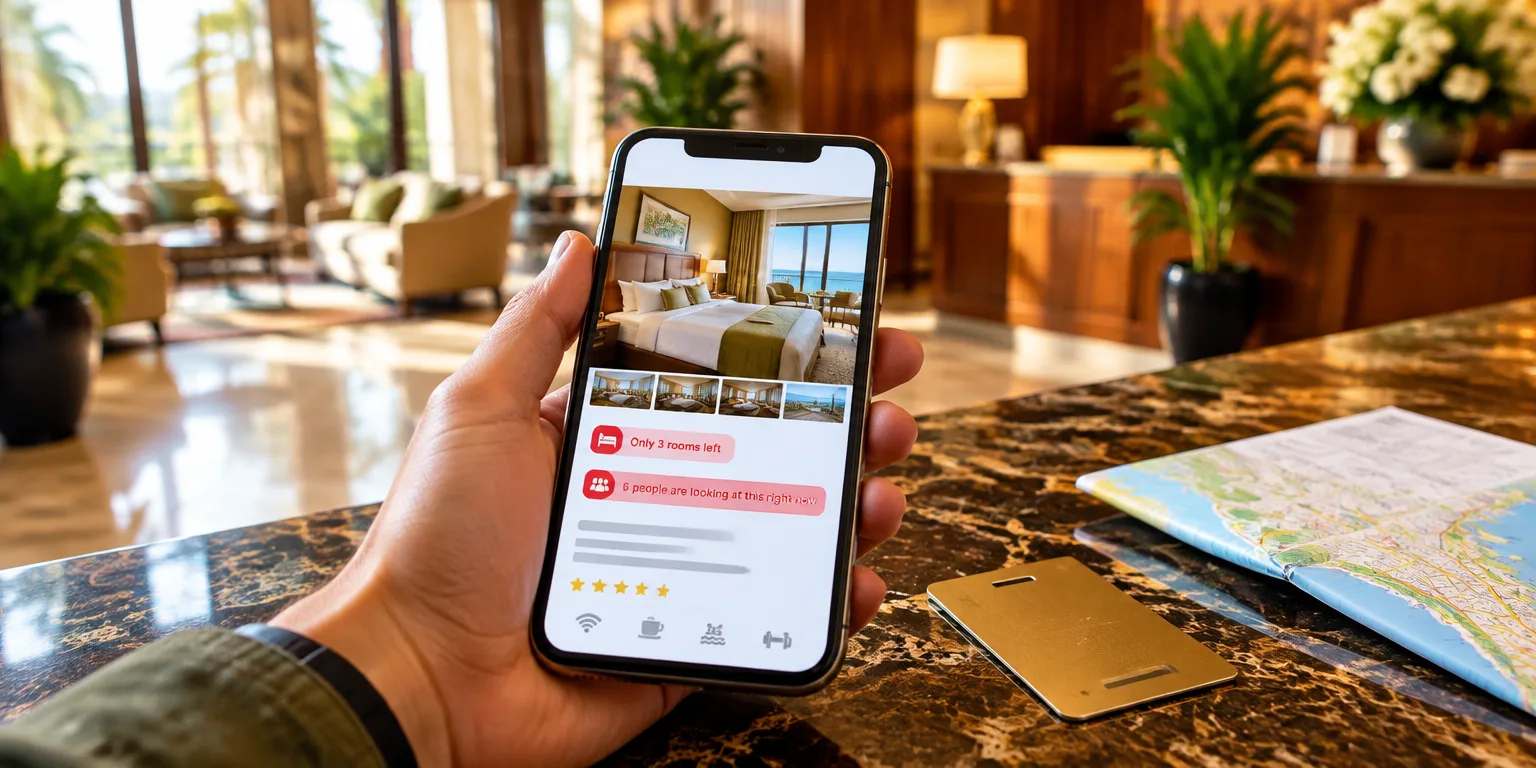
Nothing was wrong. Booking.com, the online hotel booking company, had just added two small warnings to its listings: only three rooms left, and six people are looking at these right now. After the change, Cialdini says, the company drew many more guests.
The story is told by Robert Cialdini, a researcher who studies persuasion. For him, what happened at Booking.com is a clean example of scarcity at work. People do not just want something desirable. They want it more when they might lose it to someone else.
Hotel rooms are a natural fit for that pressure. On any given night, a hotel has only so many rooms to sell. Booking.com simply made that limit visible. Three rooms left says the supply is almost gone. Six people are looking says you are not alone.
Cialdini points to an analysis of 6,700 commercial websites that ran tests of what turns a visitor into a buyer. The factor that ranked highest was competition for a scarce resource with limited numbers available.
For Cialdini, the extra guests showed what happens when scarcity and competition are made visible where people decide.
Questions people ask
Were those "only a few left" warnings exact counts?
The source does not say. Cialdini describes the warnings and the increase in guests, but does not discuss how the numbers were calculated or whether they were audited. His point is only that adding visible scarcity coincided with many more bookings.
Why does Cialdini think seeing other shoppers makes scarcity stronger?
He describes it as competition for a scarce and desirable resource. The low number signals the chance could disappear, while the notice that others are looking signals the room is wanted. In his account, that combination moves people from browsing to booking.
Does scarcity only mean a small number is left?
Not in Cialdini's account. He says scarcity can also mean limited time rather than limited number. As an example, he points to notices that a title will soon leave a streaming service, when viewing rises.