A Seventh-Grade Group Costume Is Really A Friendship Test
Planning, getting ready, the night, and the recap each add a new chance to belong or feel left out.
 Ask Lisa: Untangling Family Life · How to Handle Halloween Group Costume Drama | Dr. Tori Cordiano
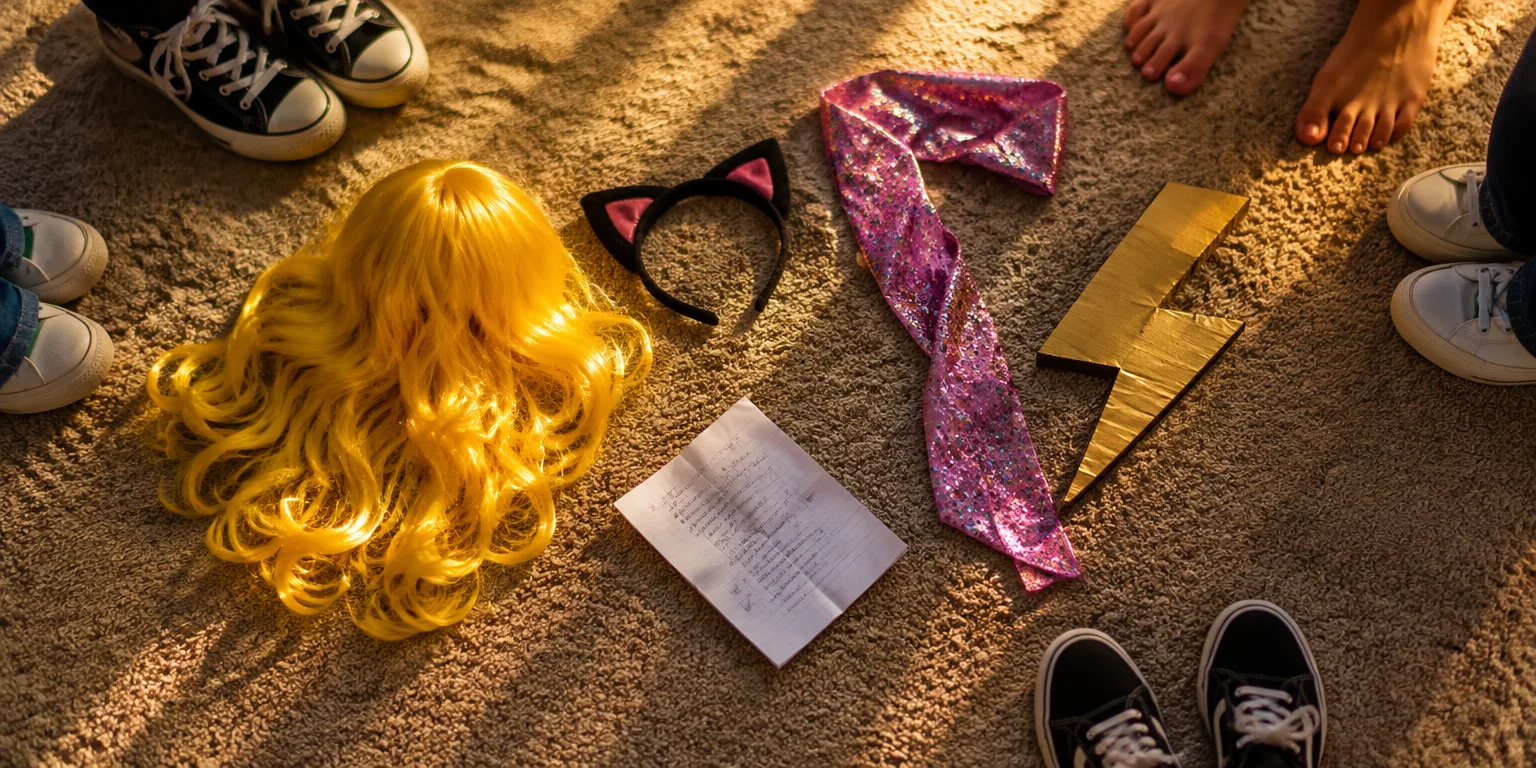
For a seventh grader, a fight over group costumes is rarely only about the costumes.
Lisa Damour and her colleague Tori Cordiano, who advise parents on adolescence, say so many questions collide at once. Who is in and who is out, who gets to decide, what everyone will wear, and whether the look is still funny or is starting to be grown up and flirty.
That is why telling a child to just skip the group and go solo can land so badly. To an adult it sounds practical, but to a middle schooler it can feel as drastic as being told to switch schools, because the real prize is belonging and having a voice with friends.
The pressure also lasts longer than one night. There is the planning, then getting ready together, then Halloween night itself, then the recap at school, and each stage offers another chance to feel included or left out.
Each stage carries a different worry of early adolescence. Psychologist Lisa Damour sums up the questions as, "Where do I fit in? How grown up am I?" along with whether a seventh grader is ready to spend social time away from adults and try something that feels risky or pushy.
A high stakes plan can also reveal that friendships were already changing. In middle school some friendships stay tight, some get tighter, and some naturally fall away, and a group decision can expose cracks that were starting to form.
That made Halloween more useful as a stress test than as a problem to fix. The same dynamics will show up again in school hallways and weekend plans, giving parents and children more chances to notice what is happening and talk it through.
Questions people ask
Why can't parents just step in and fix it the way they did in elementary school?
In elementary school, parents can often quietly fix a matching outfit day with a text to another parent. By seventh grade, stepping in that way can embarrass a child and undercut independence, so parents are better off listening, validating feelings, and coaching from the sidelines.
What should a parent say first when a child is upset about the group plan?
A useful start is to ask whether the child wants to vent or wants help problem solving, then ask what bothers them most. Naming one clear goal, such as having a say in the choice or raising concern about an uncomfortable costume, can make a messy group conflict feel more manageable.
Does this social pressure get easier in high school?
Social power does not disappear, but friendship groups often become more fluid in high school and influence spreads out among more students. Parents also move further back, learning about plans after the fact and offering mostly a place to vent and think things through.