Popular Can Mean Liked or Feared, So Ask Which One
Psychologists say separating being liked from being feared helps middle schoolers relax, and steer clear when they need to.
 Ask Lisa: Untangling Family Life · How to Handle Halloween Group Costume Drama | Dr. Tori Cordiano
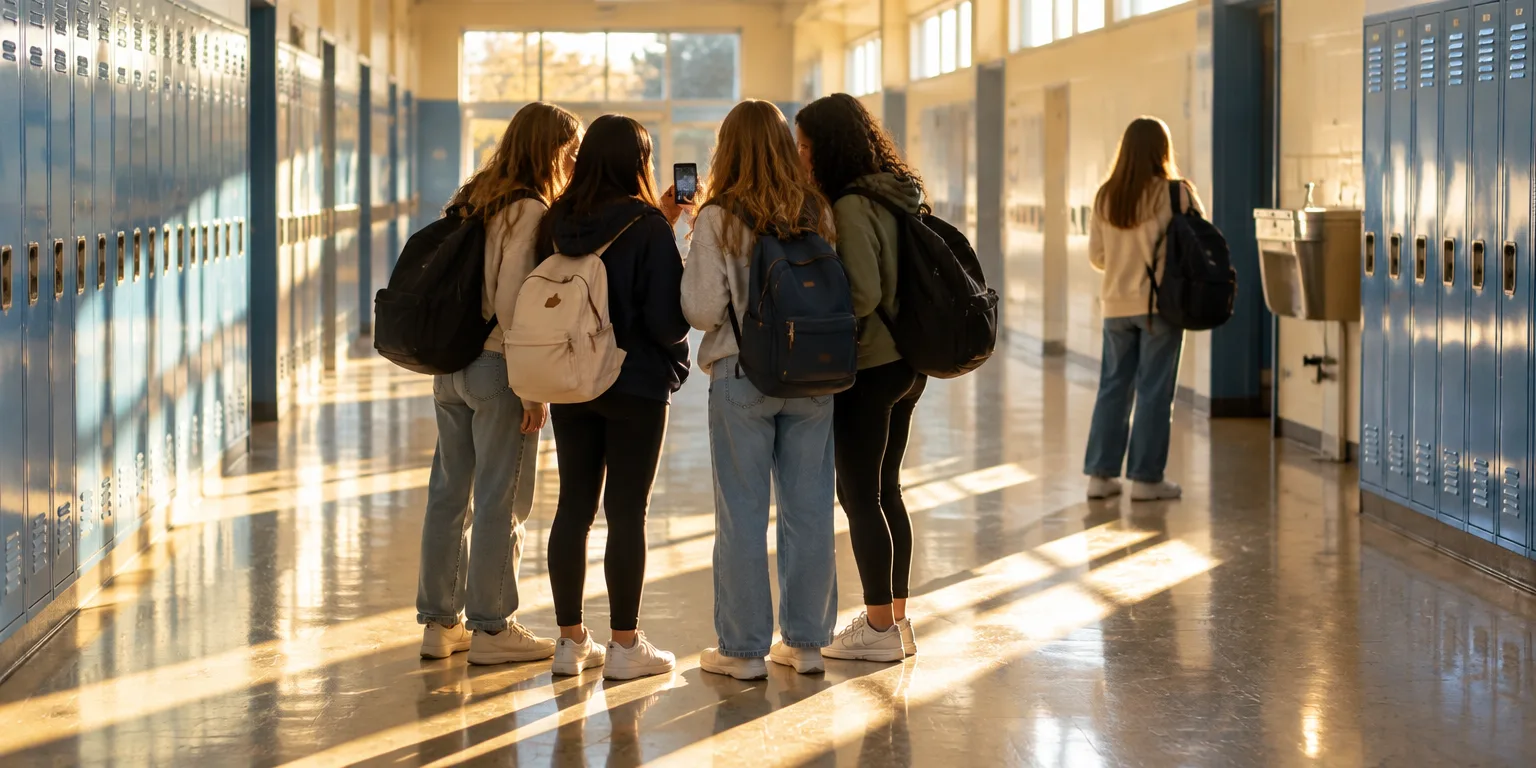
This fall, a mother wrote that her seventh-grade daughter's yearly group-costume plan with four close friends had been nothing but drama, after a costume veto and a screenshot shared in the group chat.
Psychologist Lisa Damour and fellow psychologist Tori Cordiano were working through what a parent could say, when they paused on a bigger question, how children get power in seventh grade.
As Damour put it, “Kids use it two ways, sometimes to describe kids that are widely liked and sometimes to describe kids that people know are willing to be mean and will use that to garner social power.”
Cordiano, who raised the word popular in the first place, said she likes to unpack it with children for exactly that reason. The second kind of popular child, they agreed, can shape what a group does, decide who feels in or out, and frighten peers who do not want to act that way.
Damour argues that parents should ask which meaning a child has in mind. Damour suggests saying, "do you mean popular like everybody likes them or popular like people are a little anxious around them because they will be mean sometimes?"
Children usually answer right away, she says, and the answer changes the advice. If it is the first kind, the child can simply enjoy that peer's company. If it is the second, naming it gives the child permission to be cautious, and even to stay away for now.
That caution need not be permanent. The psychologists said children who misuse social power tend not to keep it up, and may later become kind peers.
For now, Damour says, sorting out which meaning fits gives children a steadier read on their friendships and a better sense of how close to get.
Questions people ask
Is this distinction something scientists study, or just parenting advice?
Yes, researchers often distinguish being liked from being seen as popular or powerful. Likability tends to stay fairly stable and predicts better friendships, while reputation-based popularity depends more on visibility, dominance, and control over the group.
What should I do if my child is dealing with a powerful, mean peer right now?
Stay calm and curious, and help them name what happened without labeling the other child. You can rehearse a simple, neutral response, talk through what might happen next, and remind them they can step back from a friendship that feels scary or unkind.
What if my own child is the one using meanness to gain status?
It is common in early adolescence, when status feels urgent and empathy is still developing. Experts suggest setting a clear limit on the behavior, exploring what your child thinks it gains them, and building other routes to belonging through teams, clubs, and one-on-one friendships.