Stop Spending Willpower When a Better Setup Will Do
Moving the phone, the gym shoes, or even your workout can preserve self control for when it really counts.
 Ask Lisa: Untangling Family Life · 295: Situated: How Your Choices Today Shape Your Child's Tomorrow | Angela Duckworth
Psychologist Lisa Damour used to work out in her basement in Cleveland, where she had to talk herself into going downstairs and then talk herself into following the video.
After she joined her local JCC and started taking scheduled morning classes, getting in the car mostly settled it. Once she arrived, the schedule and the other people carried her through, even when she did not feel like working hard.
Angela Duckworth, author of the book Situated, replied that once Damour got in her car, the workout was a fait accompli.
That shift left Damour with more reserves for parenting and for sitting down to write a book. Some demands, Duckworth noted, you cannot outsource.
Parents can use the same move with children. Instead of scolding a teenager for checking a phone during homework, talk about the setup. The phone is more compelling than the homework, and keeping it nearby spends the willpower the child needs to do the work.
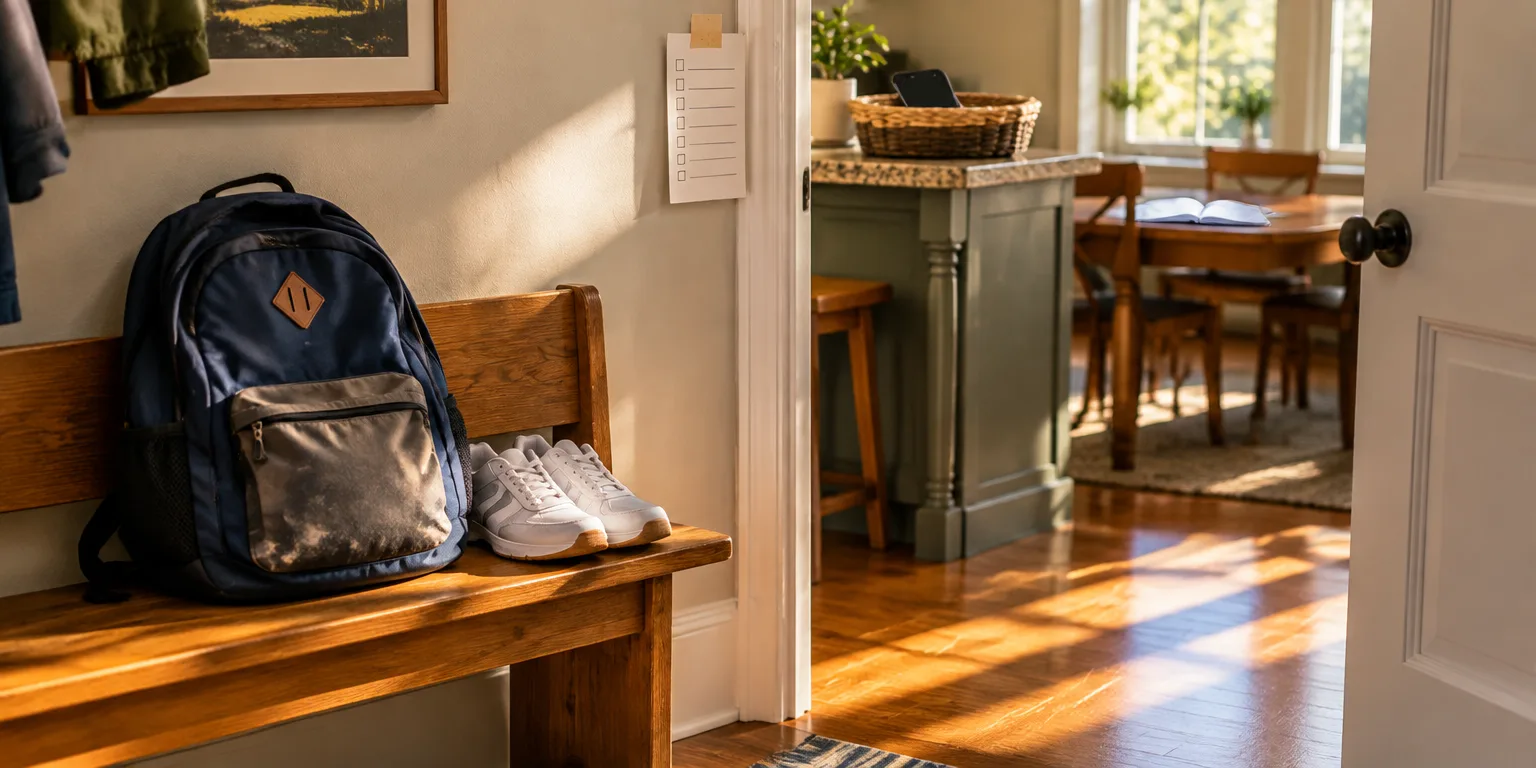
Agree on a plan to put the phone where it cannot be seen or reached while homework happens. For a child who keeps forgetting gym shoes, change the setup too. Have the child always place the shoes next to the school bag when they come off, or tape a short packing checklist to the door.
Duckworth uses cues herself. After she delivered the wrong talk for a virtual keynote, she spiraled into self blame instead of thinking what she wanted to think, a line she credited to Nelson Mandela: "I never lose. I win or I learn."
So she wrote the line on a small sticky note and taped it at eye level on the edge of her office door. She sees it first when she closes the door each morning and last when she leaves.
Questions people ask
Where should my teenager put a phone during homework?
Pick one spot outside the homework area, like a kitchen counter, entryway basket, or parent's bedroom, and make it the phone's home during study time. Keep it face down and silent so alerts do not pull attention back, and agree in advance when the child can check it.
What makes a packing checklist actually work?
Keep it short, visible, and specific, with three to five items in the order they happen. Tape it where the bag gets packed and have the child check items off out loud for a week or two, then keep the list posted as a backup.
Is willpower really limited?
In the conversation, Damour and Duckworth describe willpower and memory as limited resources. Their suggestion is to spend less of those resources on resisting temptation, and more on the work itself.