Derbyshire Thinks Tiny Things Feel Easier to Control When Big Things Don't
A Bloomberg writer who attended miniature school says tiny objects feel manageable when houses and technology do not.
 Marketplace · This holiday shopping season is all about the deals
Madison Derbyshire, who described herself as "a senior writer at Bloomberg Weekend," was scrolling online when she came across a listing for 100 miniature strawberries, each smaller than a fingernail, for $5.
She remembers wondering why she was so moved by how cute they were, and why she wanted them so much. That curiosity pulled her into an enormous community of miniature makers.
Derbyshire learned that the group includes the International Guild of Miniature Artisans, which holds an annual gathering. She convinced her editor to let her attend its miniature school, where hobbyists travel to a small coastal town in Maine and stay in local inns for a week.
She thinks, after watching people pay thousands to journey there and to make objects like a cheese board no one will ever buy, that “you see kind of a retrenchment in wanting things that feel controllable and small.”
Derbyshire argues that miniatures "have cycled in and out of popularity throughout history," often during periods of rapid technological change. She says it is no coincidence that interest grew after the pandemic, linking the pattern to times of rapid technological progress.
Derbyshire also points to money. When houses and dream home designs feel out of reach, and people are cutting back on nonessentials, she says an affordable hobby can still deliver pleasure and a sense of control over daily life.
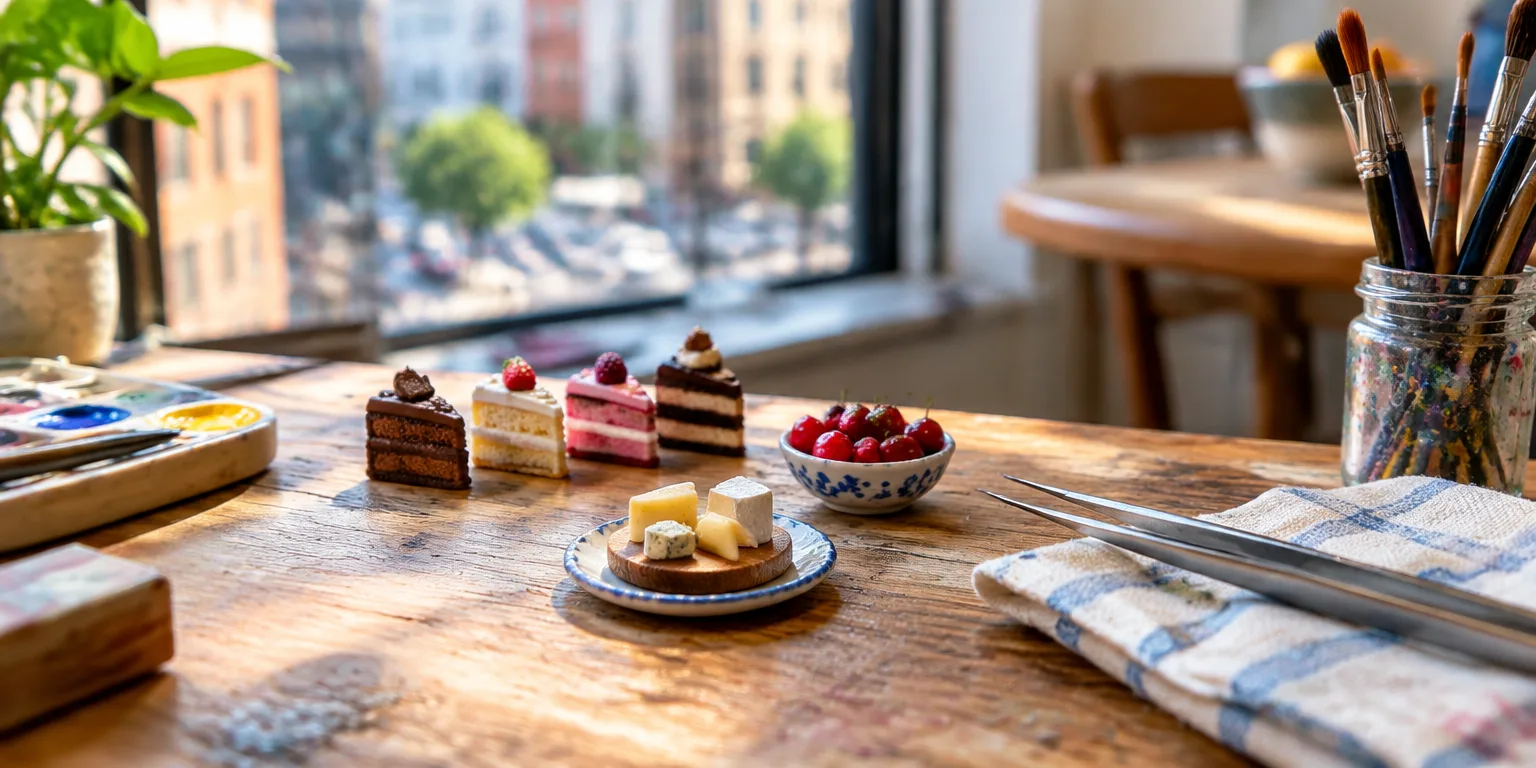
She speaks from experience. Derbyshire spent $100 on miniature cake slices and a bowl of cherries, now dotted around her apartment. They bring her a lot of joy, she says, so she is keeping them around.
Questions people ask
What actually happens at miniature school?
Miniature school is a weeklong workshop run around the miniature artisans community, where students learn to build tiny furniture, food, and room settings by hand. Classes are small and hands-on, often taught by experienced artisans, and students leave with finished pieces.
How small are these miniatures?
Many hobbyists work in common dollhouse scales, such as one inch to one foot, meaning a six-foot sofa becomes a six-inch replica. Food miniatures can be much smaller, sometimes under a quarter inch, and are shaped with tweezers, clay, paint, and resin.
Is this an expensive hobby?
The entry cost can be low, with packets of tiny fruit or supplies selling for a few dollars, but travel, tools, and detailed handmade pieces add up. Derbyshire found hobbyists willingly spending hundreds or thousands of dollars for classes, lodging, and projects they make for pleasure.