Ezra Klein Says Voters Decide First if You Are Their Kind of Person
Klein argues shared identity opens voters to hearing a candidate's policies.

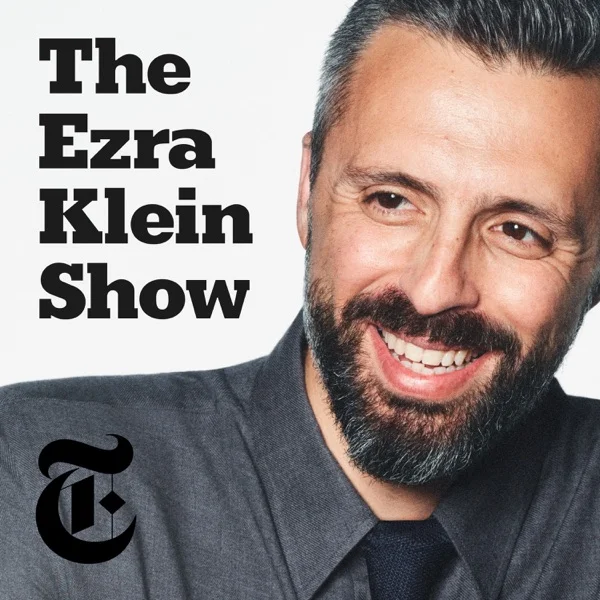 The Ezra Klein Show · Hasan Piker Wants to Win
Journalist Ezra Klein was talking with streamer and political activist Hasan Piker about why some Democrats won. Klein offered his own reading of those races, not a poll result: cultural fit comes before policy.
Moderation is usually discussed as moving left or right on issues, Klein argued. But he said voters judge something faster, which he put this way: “Do you seem like their kind of person?”
In Klein's reading, a common view among skeptical voters is that “Democrats don't like them, look down on them, don't share their faith.” He was describing an impression of distance around faith and everyday life, not reporting a measured finding.
His support for the point was candidate selection. He said Democrats did well by running people who scramble the usual image of who a Democrat is.
That included, in his telling, a pastor of a very large church in Kansas, a fire service worker in Pennsylvania and a performer of Tejano music in South Texas, plus a seminarian, a Paralympian and a candidate who ran on family, fishing and faith. The biographies mattered, Klein argued, because they gave voters reason to keep listening to everything else the candidate said.
Piker agreed only in part. He argued the larger driver was conduct by President Trump, including gasoline prices rising as approval fell, an unpopular intervention in Iran that started without a clear public rationale, and two years of chaos and alleged self-dealing involving cryptocurrency ventures and pay-to-play access.
Klein made a passing joke about wearing a suit that shows presentation matters. People decide whether you are one of them, he argued, before they decide whether they agree with you.
Questions people ask
Does running a candidate with a familiar background actually help win votes?
Political scientists find it helps at the margins. Voters tend to trust, turn out for, and give the benefit of the doubt to candidates who share their work, faith, region, or life experience, though party loyalty and the economy usually matter more.
Why would identity matter more than a detailed platform?
It can, mainly by building trust and attention. A voter who feels understood may listen longer and assume good faith, which gives the candidate more room to explain unfamiliar or unpopular policies.
What does moderation mean here?
Moderation usually means moving toward the political center on issues like taxes, regulation, or policing. Klein is using it more broadly to include cultural signals, such as faith, work, music, and family life, that tell voters they belong on the same team.