Flood Optimism Lasted After the Danger Passed
The finding challenges the idea that feeling safer than others only helps people manage fear during a threat.
 share.swps.edu.pl · The spillover effect of unrealistic optimism and its temporal aspects
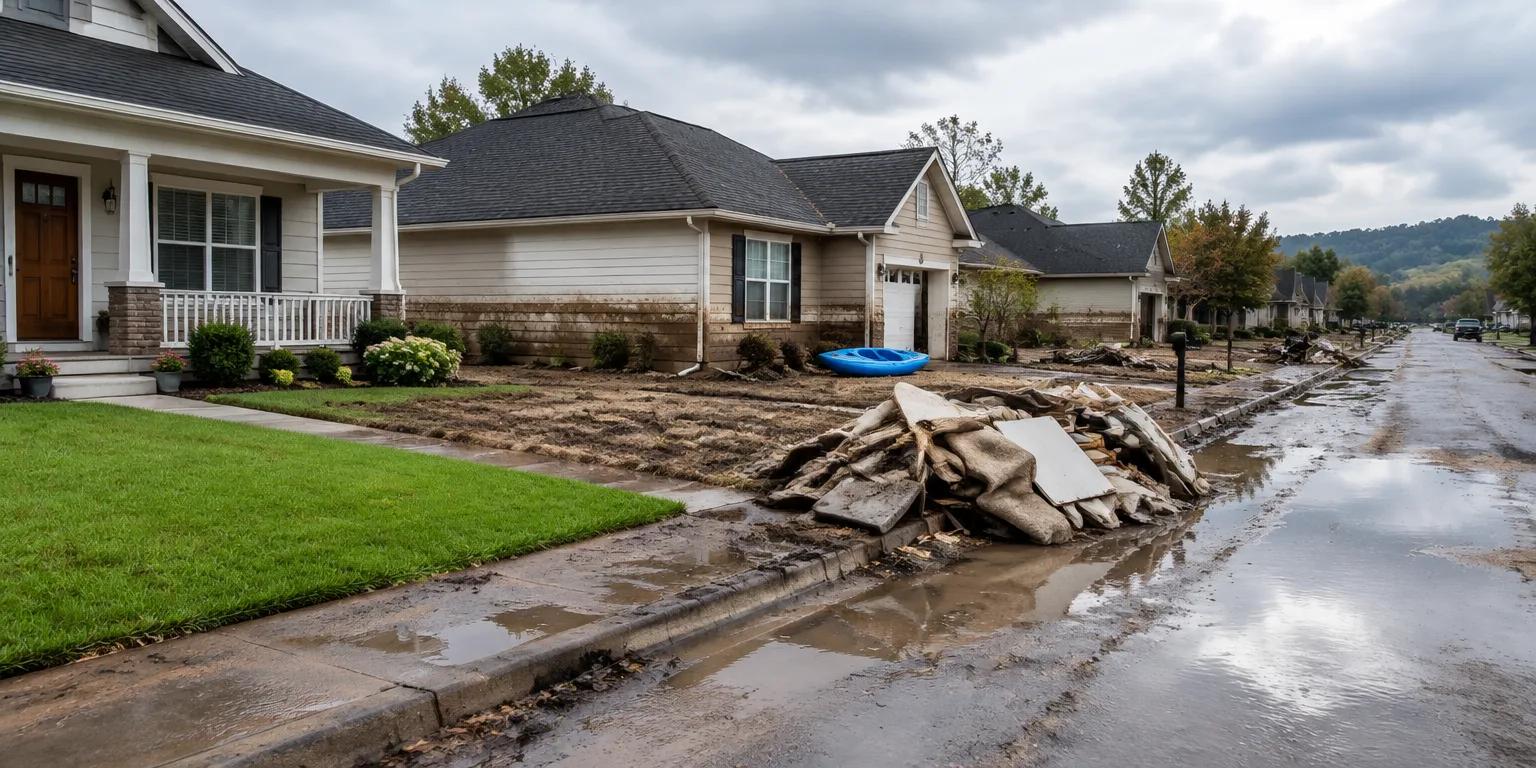
Three psychology researchers reported Friday that people touched by floods kept seeing themselves as safer than others even after the flood risk had passed.
That persistence matters because it challenges the explanation that the bias comes from feeling more in control and less afraid before and during threatening events.
Unrealistic optimism, as the authors describe it, means believing you will fare better in a threat than someone else in the same spot. The feeling has been tied to a greater sense of control and less fear around threatening events.
The team had set out to study the opposite pattern, unrealistic pessimism, in a flood context. Instead, people affected by floods reported unrealistic optimism, and that illusion did not fade when the waters receded.
Optimism can lead people to disregard possible harm, while pessimism tends to prompt self-protection, the authors note.
Questions people ask
Does feeling safer than others actually change how people prepare?
It can. Research on comparative risk judgments finds that people who think bad outcomes are less likely for them are less inclined to buy insurance, evacuate early, or take precautions. The effect is usually modest, and information, cost, and habit also shape what people do.
Why would this kind of optimism last after the threat is over?
Psychologists point to habits of thought rather than momentary mood. People tend to compare themselves to a worse-off neighbor, forget their own past close calls, and believe they have more control than they do. Those tendencies do not switch off when the water goes down.
Can anything reduce unrealistic optimism about disasters?
Concrete, personal feedback helps more than general warnings. Hearing how a similar household was damaged, walking through what would happen in your own home, and making a specific plan can narrow the gap. Even then, the bias is stubborn and often returns.