Fertilizer Industry Pushes Cleaner Factories and Less Waste on Farms at COP31
The industry plan pairs lower-emission factories with more efficient use on farms, to protect both the climate and food supplies.
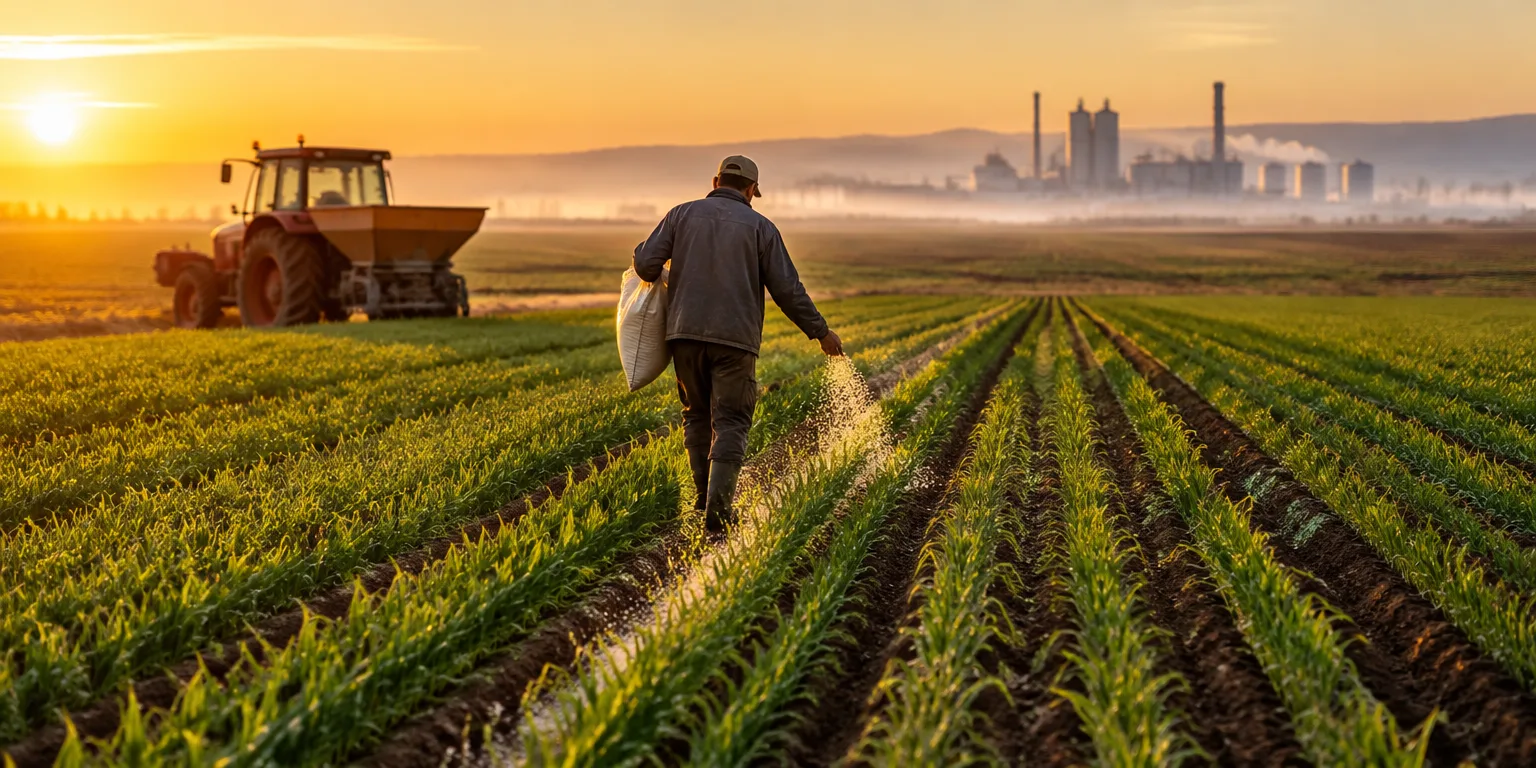
 bcinsight.crugroup.com · Fertilizers on the agenda at COP31 in Turkey - BC Insight
Fertilizer sits at an awkward climate intersection: the world needs it to grow food, but making and using it produces pollution.
The cleanup plan being pushed at the COP31 climate talks treats it as two jobs at once. One is in the factory, where production can shift to lower-emission methods. The other is in the field, where farmers can get more food from each bag they spread.
That is the case being made in Turkey by the International Fertilizer Association, the industry group for fertilizer makers. At a 13 November event, the group is pressing for policies and investment that cut emissions from both production and use while keeping fertilizer affordable and accessible.
On the factory side, the idea is to support investment in lower-emission production to replace conventional fossil-based methods. On the farm side, the focus is what the industry calls nutrient-use efficiency, a plain way of saying helping crops take up more of the nutrients applied, so less is lost to the air or washed away.
The IFA ties the two goals to cost and food security. As an IFA spokesperson put it, policies need to support both: “reducing emissions while keeping the nutrients essential to food production affordable and accessible.”
The agenda also includes panels on strengthening food system resilience amid extreme weather, fertilizer price spikes, conflict, and trade disruptions. Developing countries face the greatest threat of running short of food.
No single company or farm can manage that shift alone. The Hydrogen Council, one of the organizations working on low-emission fertilizers, says it “requires a comprehensive, industry-wide effort underpinned by strong public-private collaboration.”
Questions people ask
What does nutrient-use efficiency mean on a real farm?
It means getting more crop growth from each pound of nitrogen, phosphorus, or other nutrients applied. In practice, that can involve testing soil, timing applications to when plants need them, placing fertilizer closer to roots, and using formulations that release nutrients more slowly.
Why would cleaner fertilizer risk becoming unaffordable?
Because if climate rules or new technology raise production costs, those costs can flow through to fertilizer prices. Higher prices can put fertilizer out of reach for small farms and developing countries, reducing yields and raising food prices.
What role do governments play in this kind of transition?
They set standards, offer subsidies or tax support, fund research and infrastructure, and help create demand for cleaner products. Industry groups argue that without that support, companies and farmers face too much cost and risk to switch on their own.